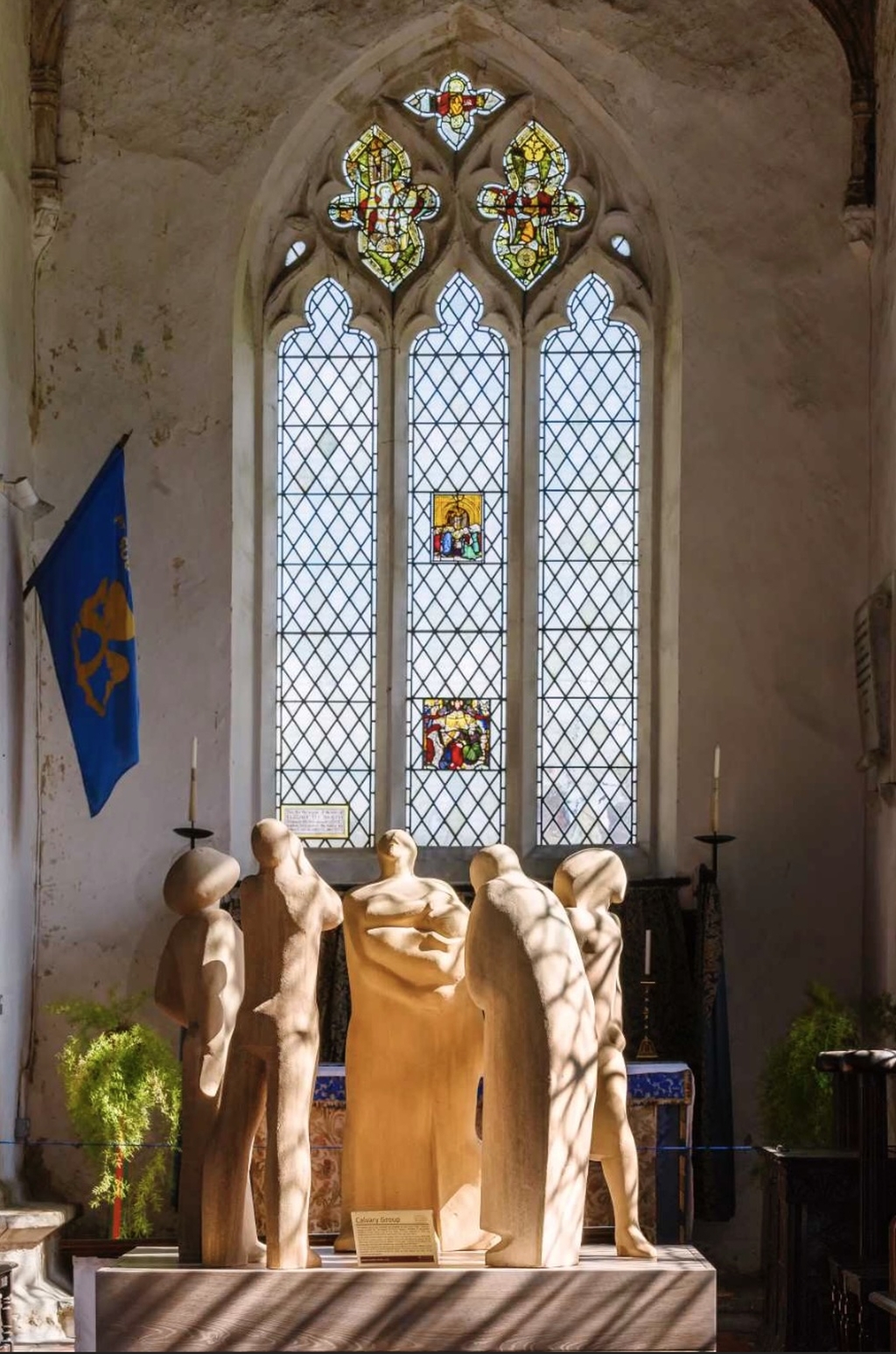
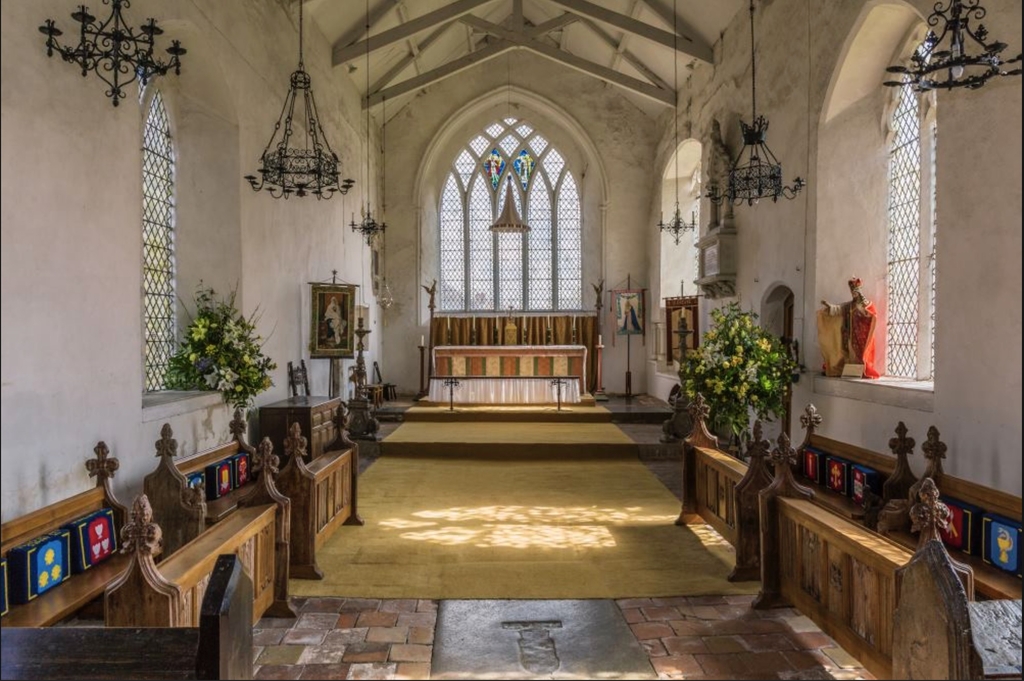
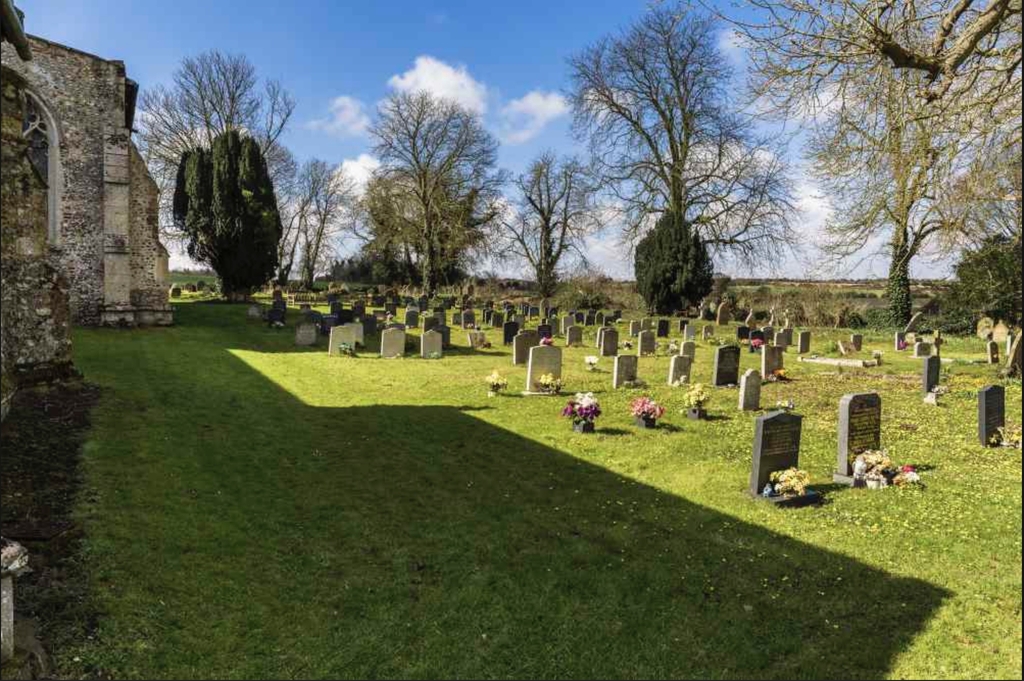
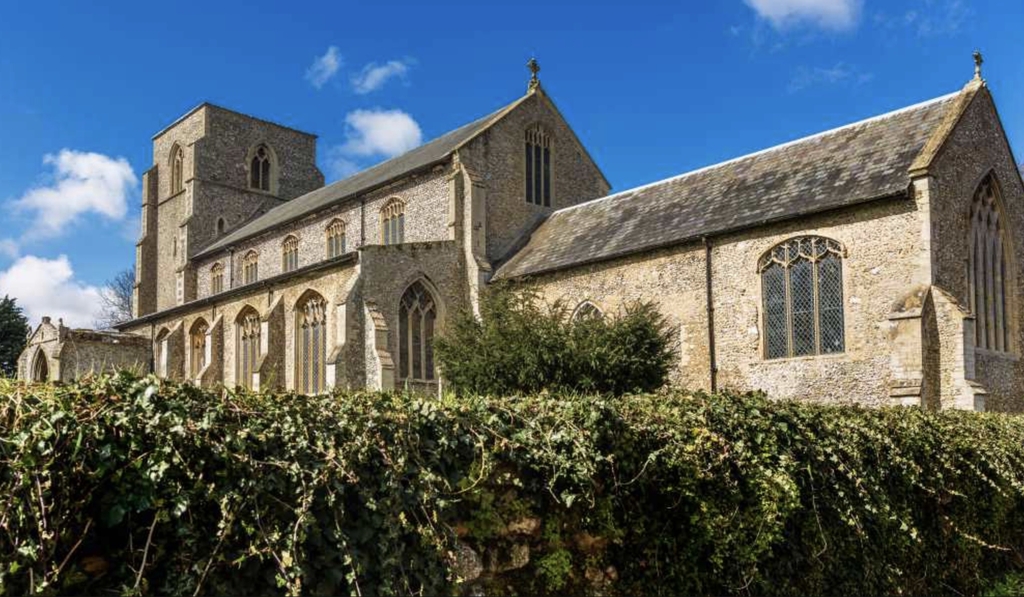
The Church of Our Lady Saint Mary, South Creake

Our Other Churches

Donate to support our ministry

News Feeds

  • About Us
  • Find Us
  • Contact Us
  • Services and Events
  • Features and Facilities
  • Thought for the week
  • Info

The Church of Our Lady St Mary is in the Anglo-Catholic tradition of the Church of England.  It is part of the Benefice of North Creake, South Creake with Waterden, Sculthorpe, and Syderstone with Barmer.

We have our own website www.southcreake.org which is comprehensive and up-to-date.

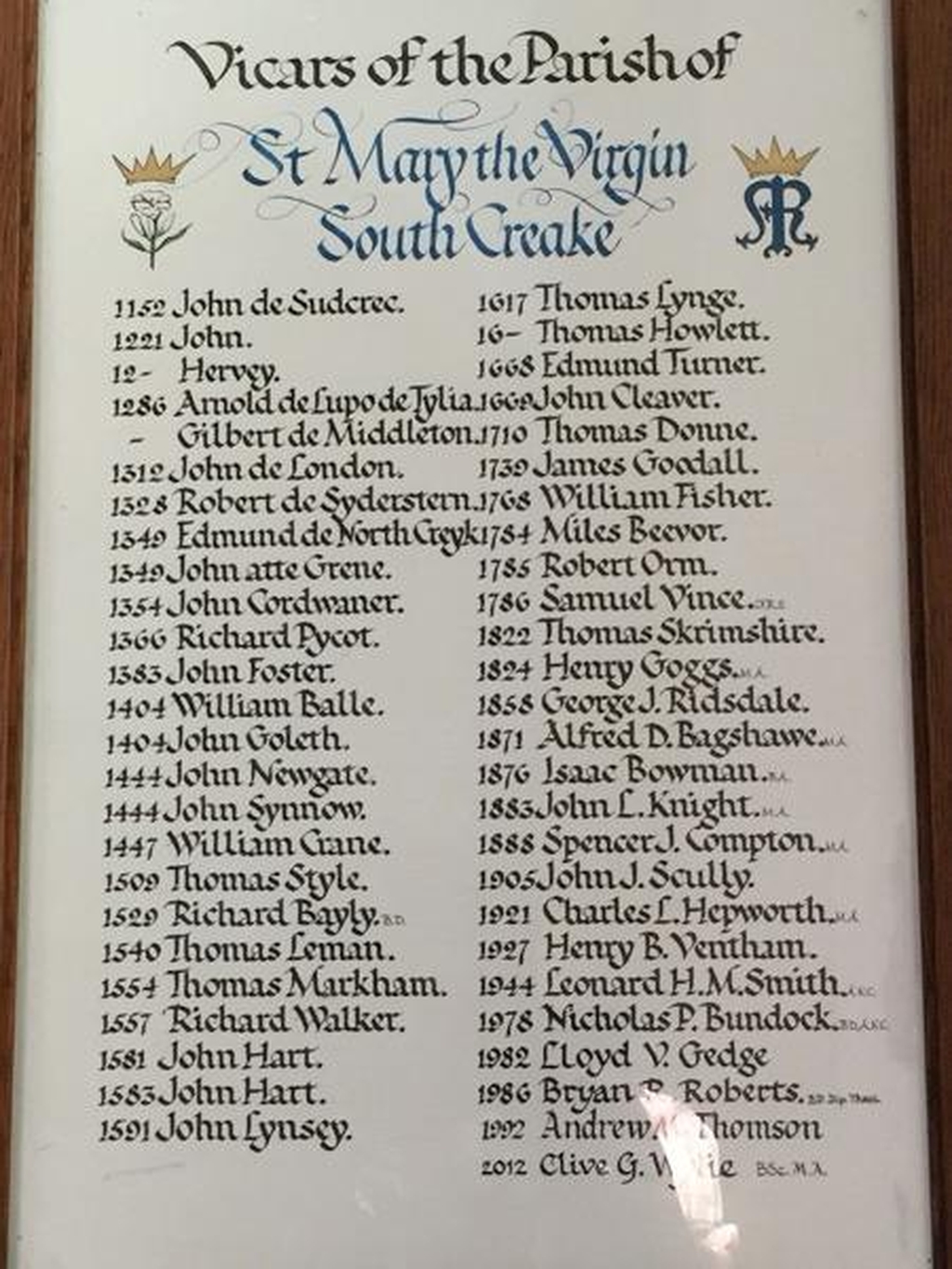
We have been in Interregnum since the end of March 2011 but at our Benefice service on 26 February 2012 the Bishop of Lynn, the Right Reverend Jonathan Meyrick, was able to announce that the Archbishop of Canterbury has approved the appointment of the Reverend Clive Wylie to our benefice.   A full press statement will be released at the time of the institution service, an early date for which is being arranged.  We all look forward to welcoming Fr Clive to our benefice.


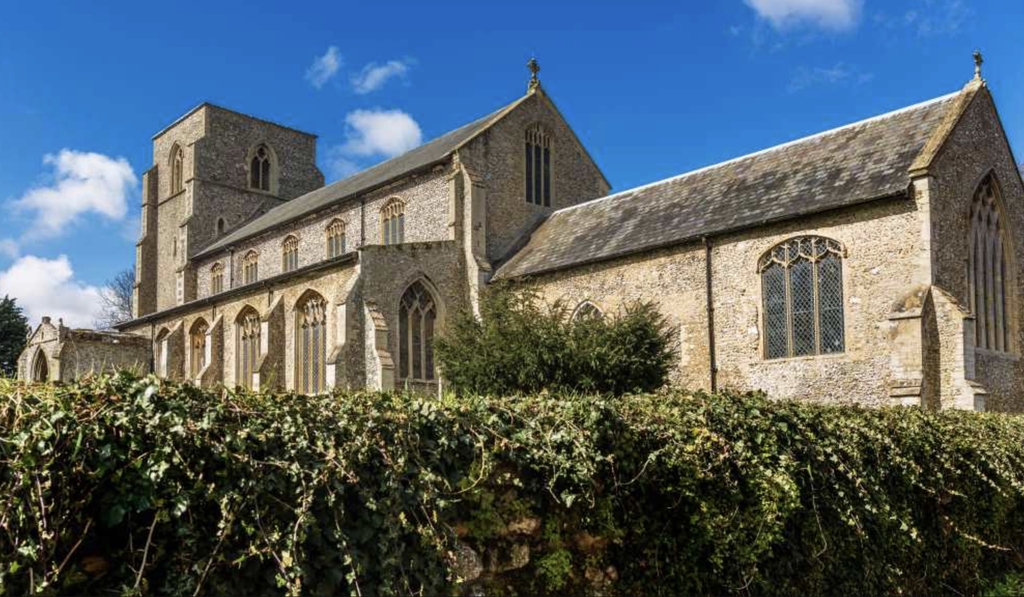
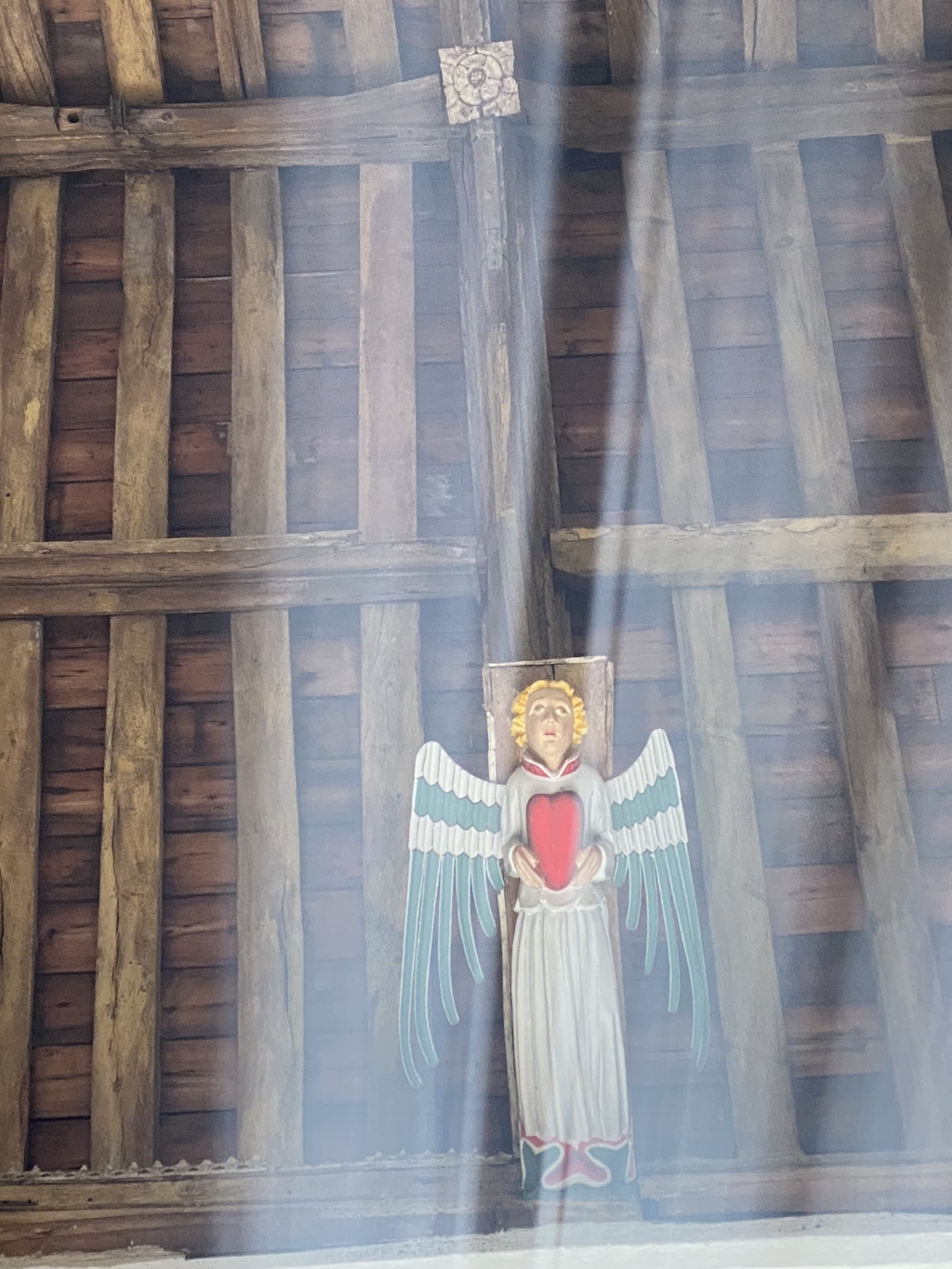
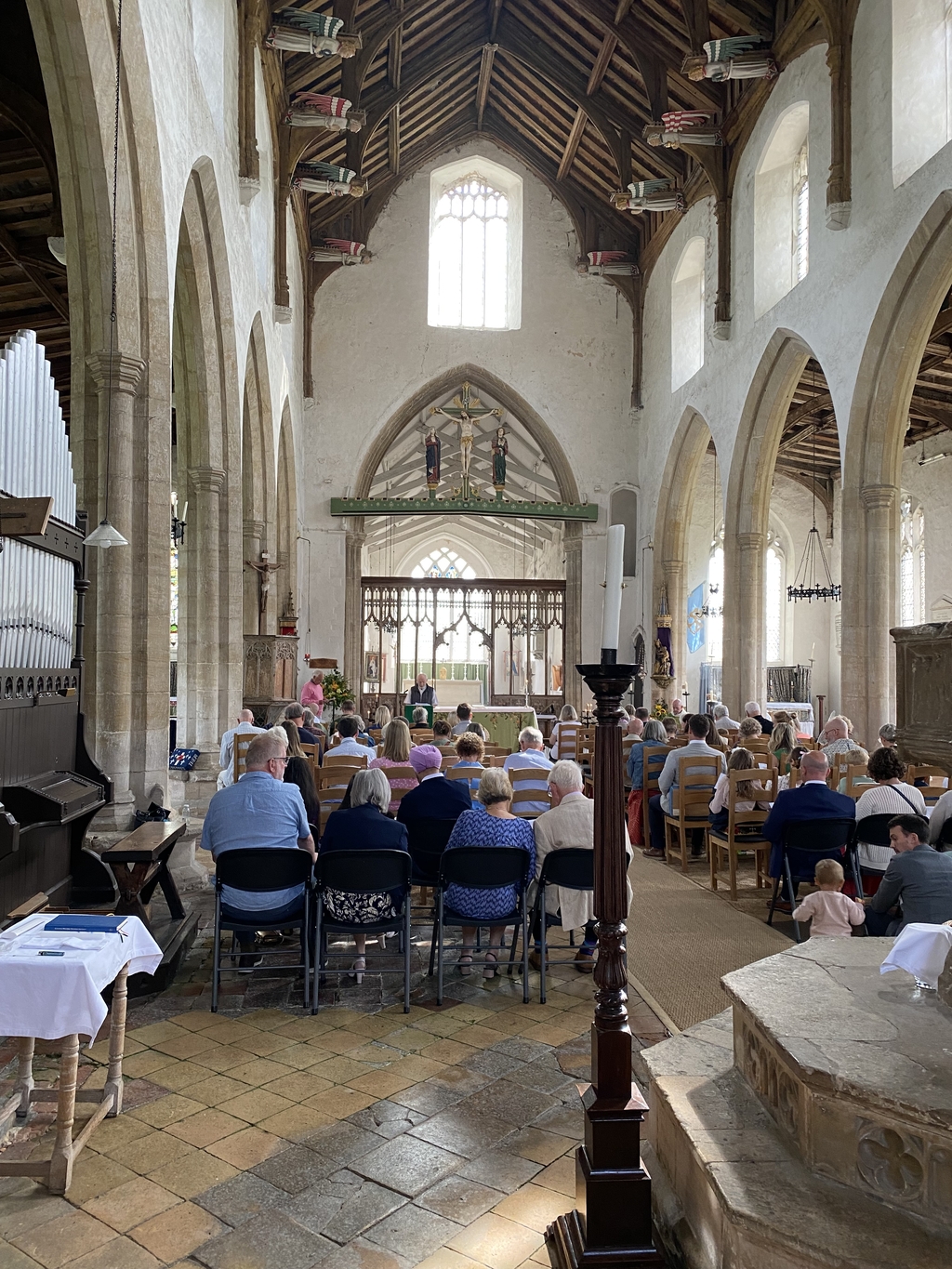
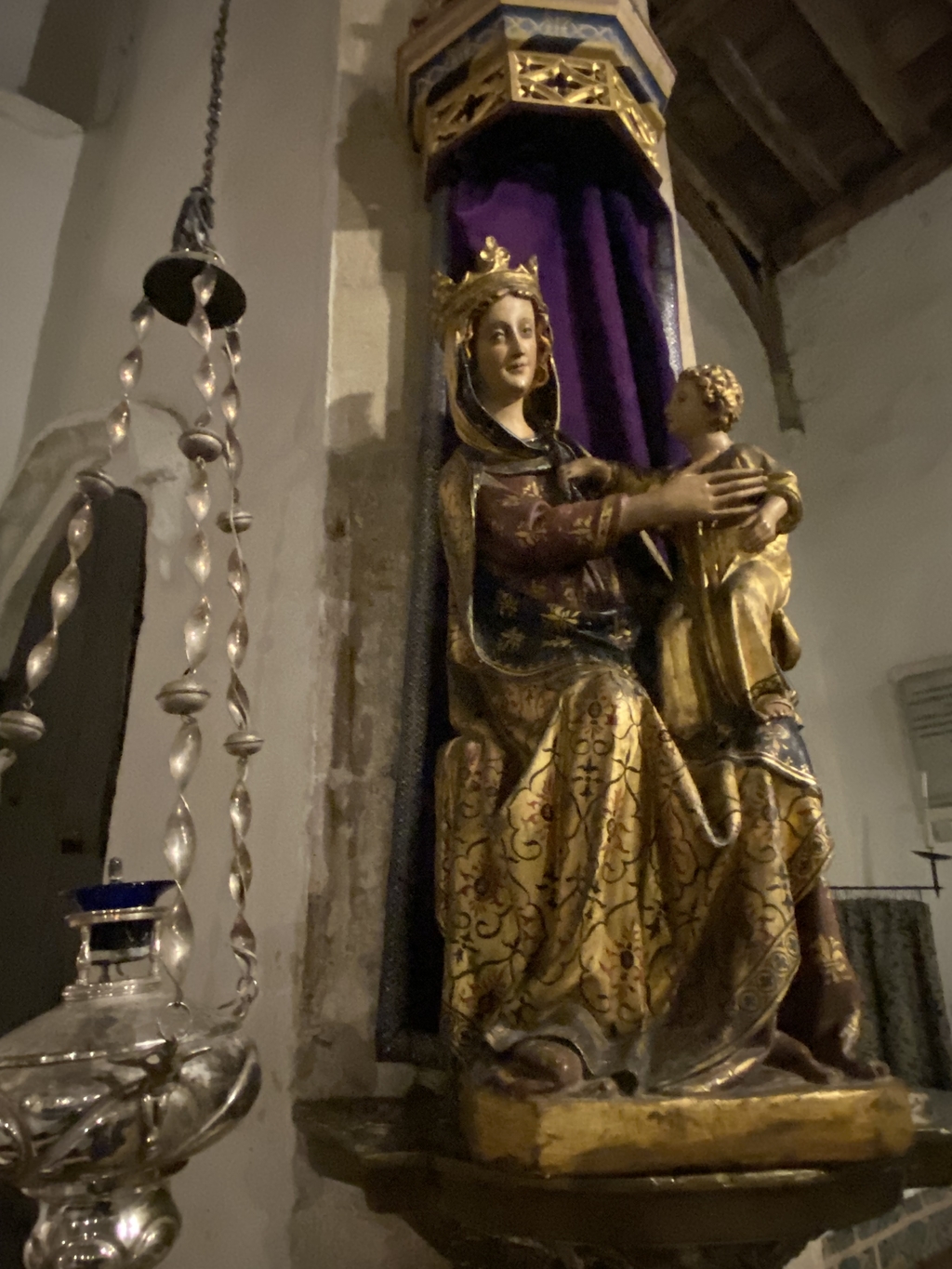
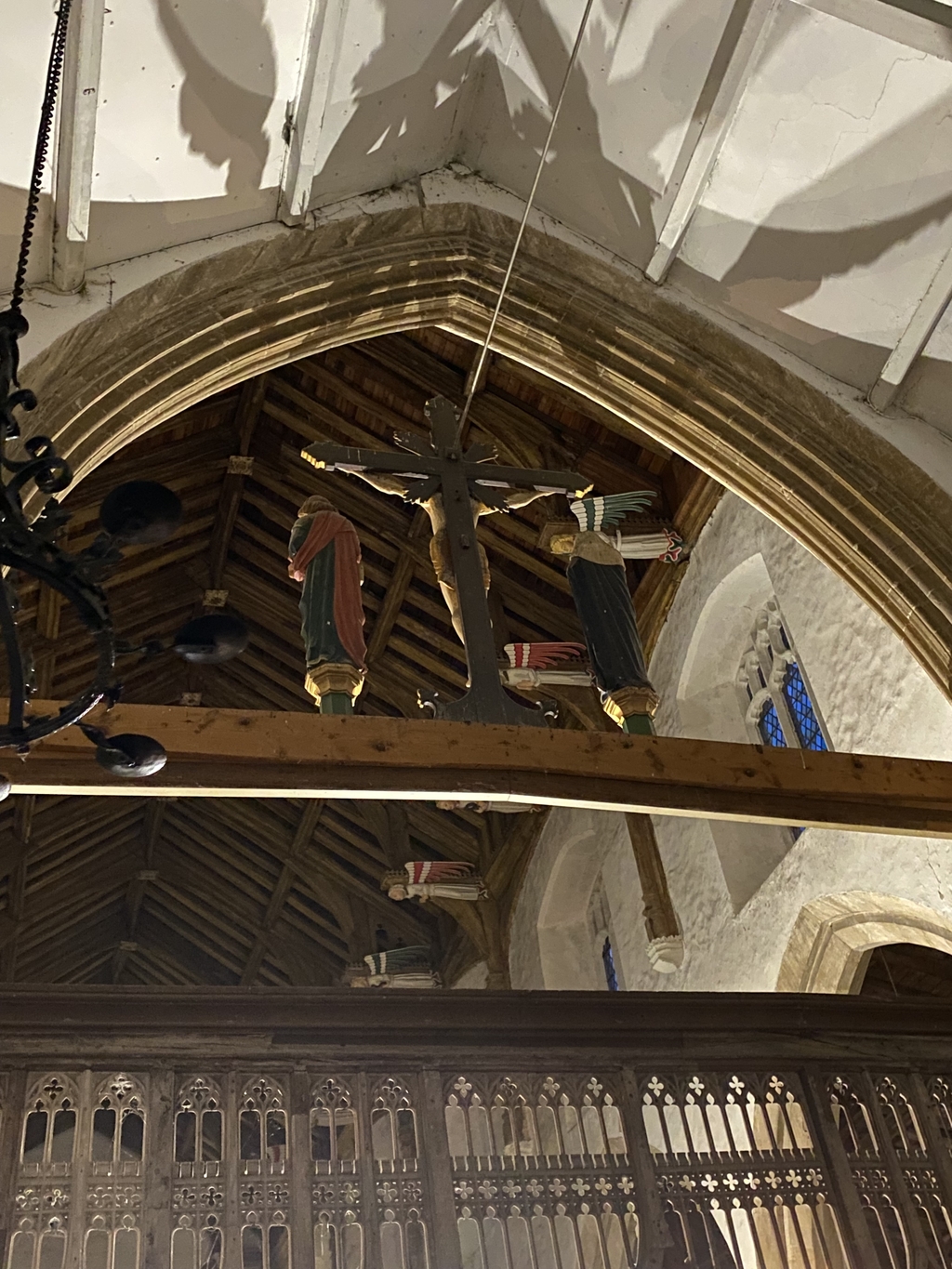
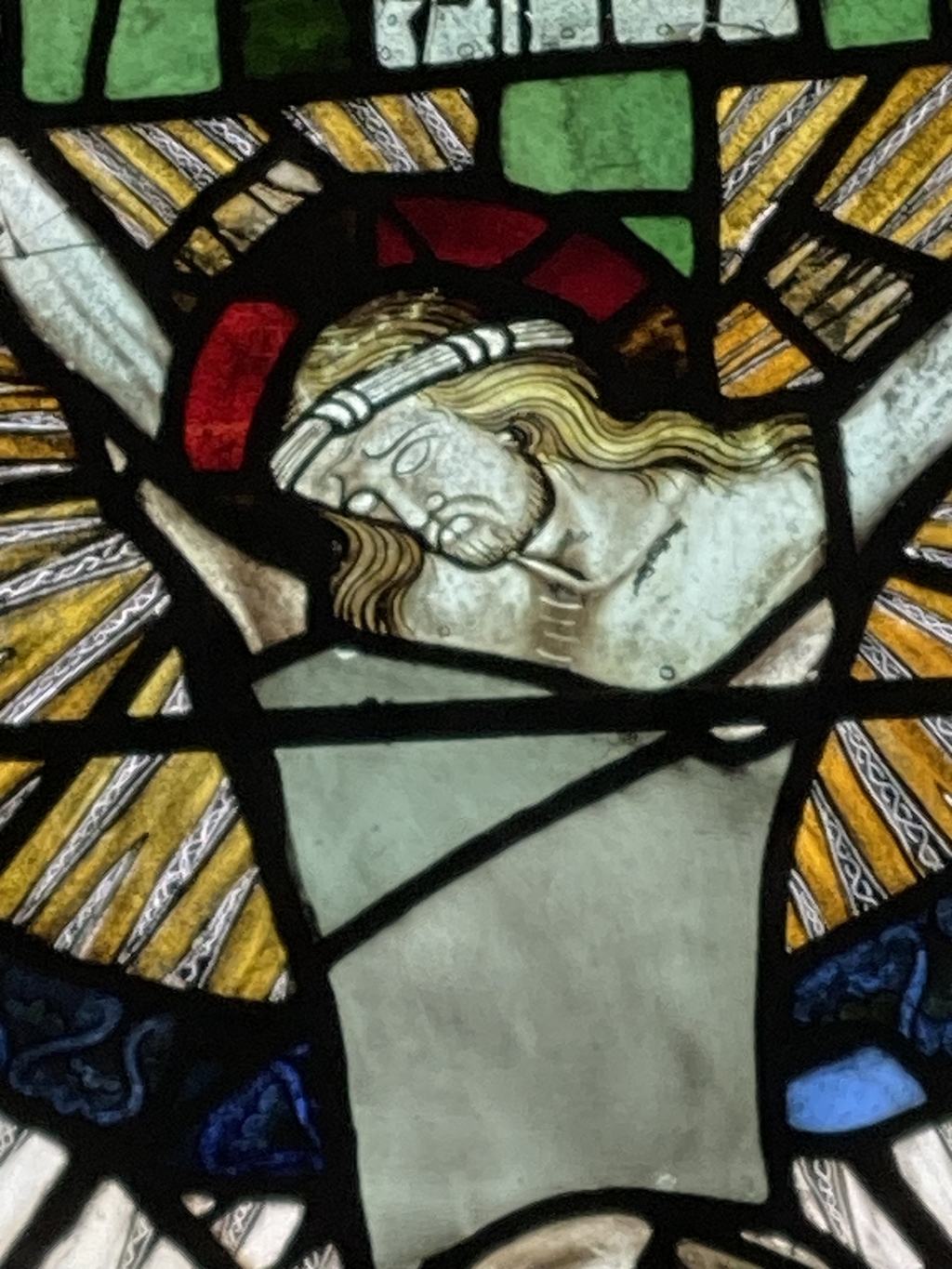
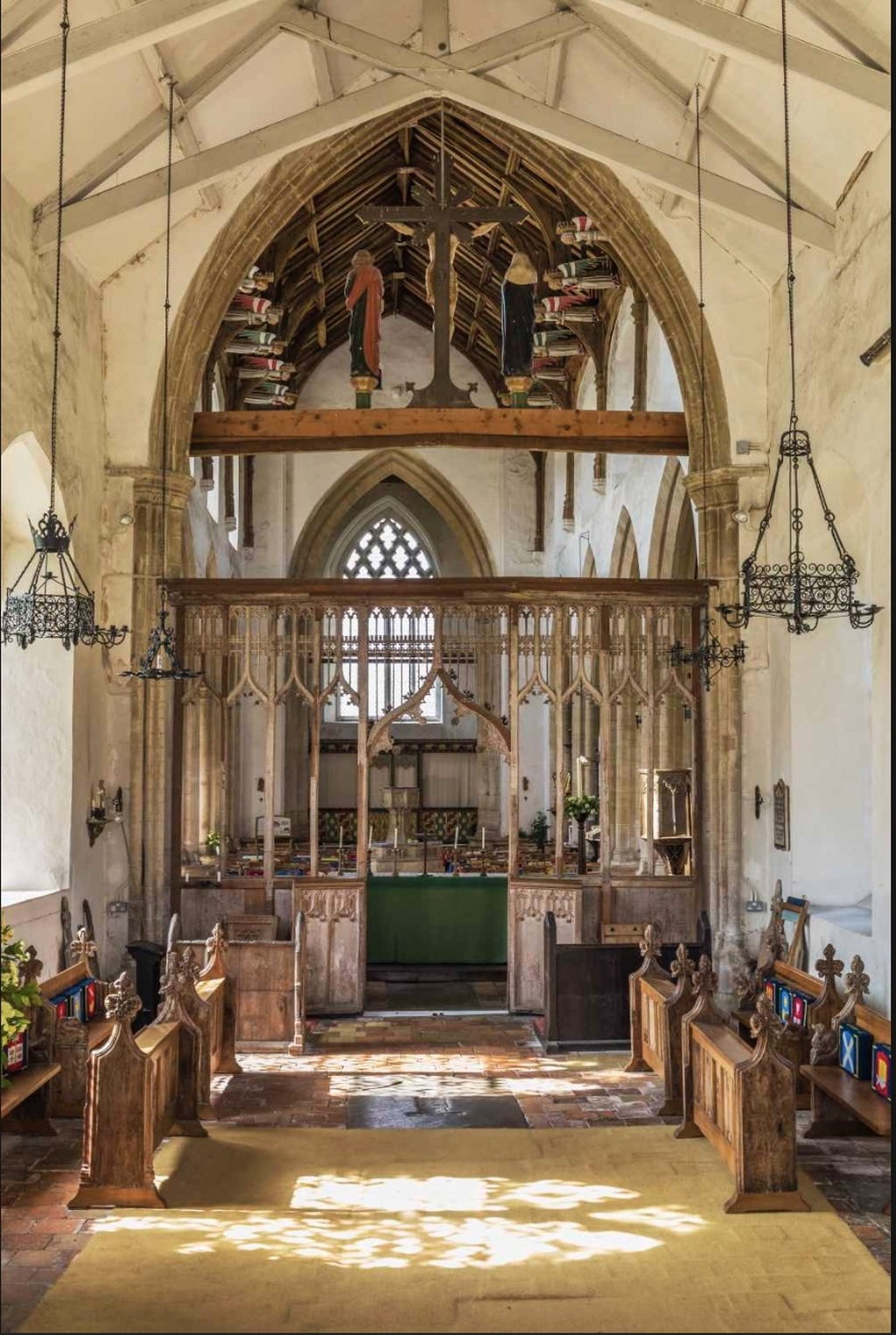
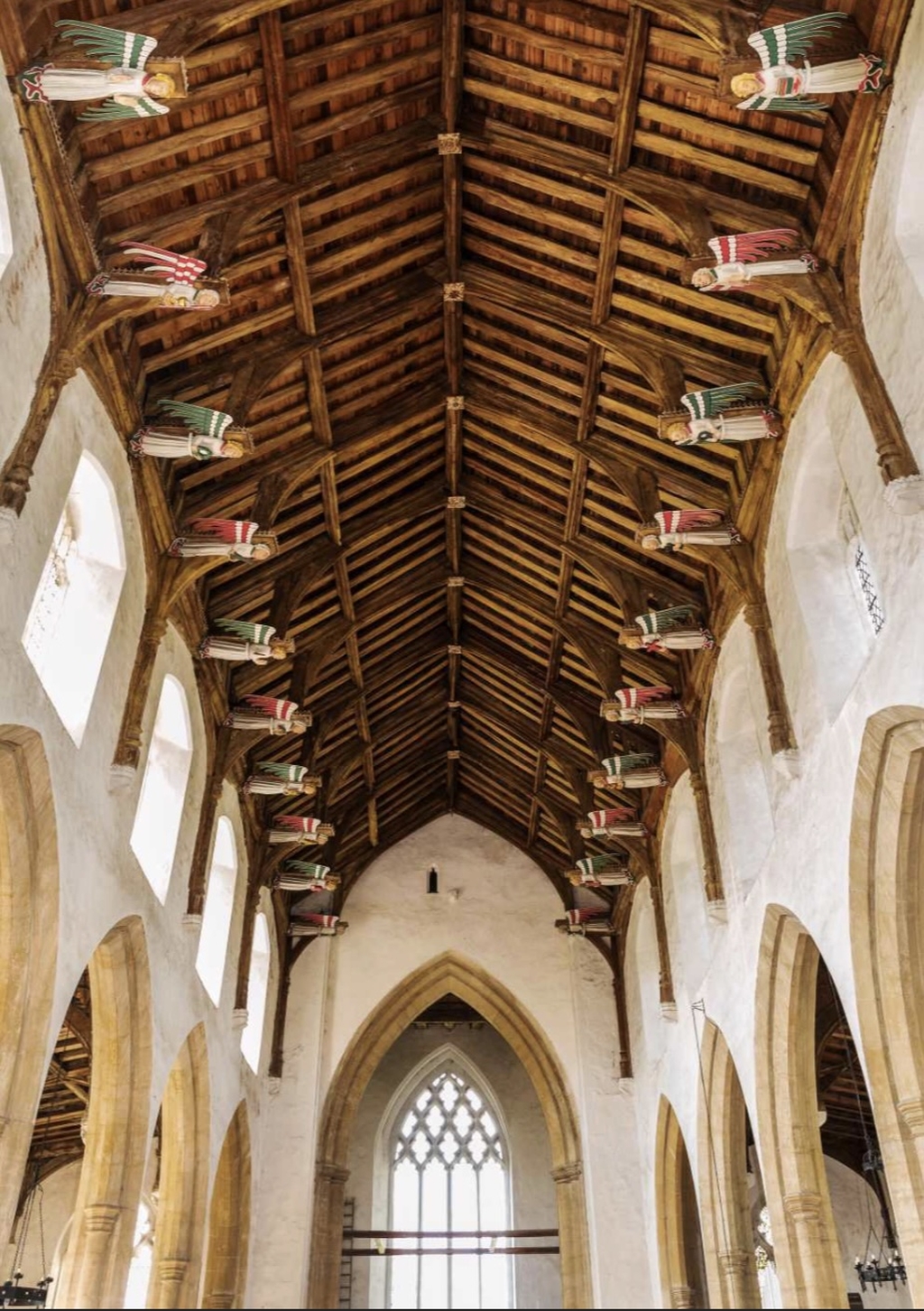
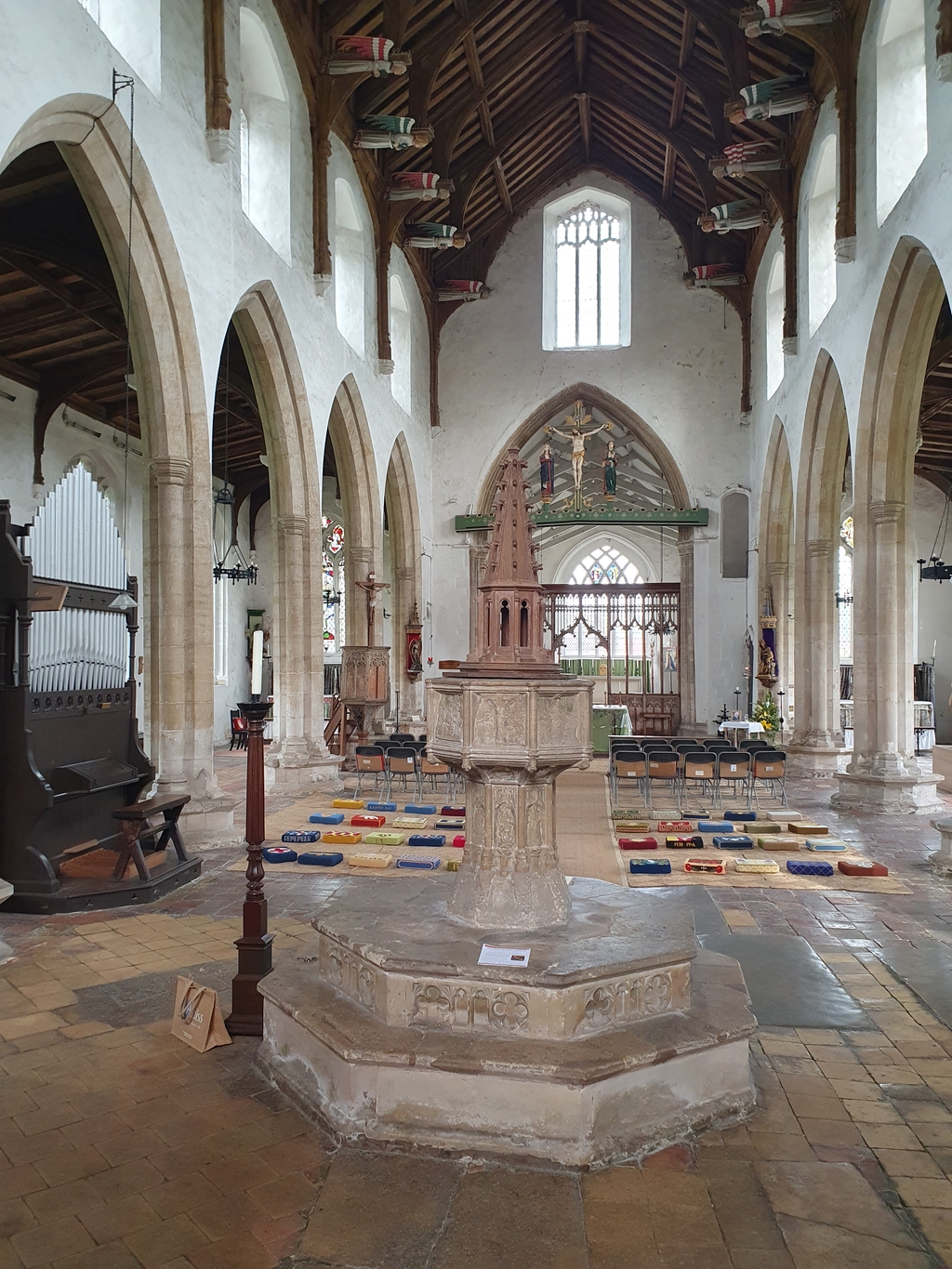
St Mary's dates mainly from the 15C although the Chancel is of 13C construction. The nave roof (which was raised to commemorate the victory at Agincourt) is single hammer beam with painted angels supporting arched braces. The wine goblet pulpit dates from 15C as does the perpendicular Seven Sacrament Font. Medieval pew ends have recently been made into fine pews in the Chancel.

This space is for a Google Map.

You are seeing this message instead because your browser has not loaded the program code to produce the map.

This could be for a variety of reasons, including:
  • Your browser does not support Javascript;
  • You have turned Javascript off
In addition we are aware of some problems with Internet Explorer which are currently being worked on. Firefox and Chrome show the map correctly.
Directions to The Church of Our Lady Saint Mary, South Creake, NR21 9LX

Walking route Avoid highways

Load map in Google Maps


Mrs Barbara Allen (Churchwarden)
Morley's Farm
South Creake
Fakenham
NR21 9JE
Tel: (01328) 823269
 
Live Music / Concerts Grade 1 Listed Building Tower Stained glass Guidebooks / notes Organ Wheelchair Access / Ramp Hearing / Induction Loop Large Print Hymnbooks / Orders of Service Assistance Dogs Toilets Visitor Parking Available
Bookings

Visit our Church

Open during daylight hours every day of the year.

Nurture Courses


Thought for the week

Thought for the Week 25 December 2011

Prayers at a Crib Christmas comes and is instantly gone. Its celebration starts in November and before, but once it has arrived it disappears almost immediately from view and our attention is pointed towards the Scots Hogmanay. Such is our media driven world. The twelve days of Christmas are not kept; rather the searchlight switches. Whereas it would be well to look, if we will, at a crib not yet dismantled, in church anyway, and consider more fully the events which heated activity displaced before the event and which the High street sales bid fair to displace afterwards. We do not spend enough time at rest. That is the true bottom line.

Thought for the Week 18 December 2011

Nature and Nurture The debate between nature and nurture as the source of our character has ebbed and flowed. Once, the human psyche was regarded as a tabula rasa, a clean slate. It was not that the mind was a library waiting to be stocked with books; the library itself had to be built. Talk of genes altered all of that. We carelessly talk about any action or thought as being the result of the form of our DNA. It has become a cliché. The source of our Lord’s divinity was the subject of, doubtless, cruder speculation in the past which centred on his mother, the Blessed Virgin Mary. Ancient speculation and doctrinal formulation now compete with or are supplemented by modern genetic or psychologically-based comments, some better supported by fact than others. All relate to the conviction that human beings appear, however freely and autonomously they claim to live, as children of their parents, biologically and socially. Mary, the mother of our Lord, is still a source of thoughtfulness as well as wonder which only sectarian bigotry ignores

Thought for the Week 10 December 2011

The Selflessness of St. John Most of us enjoy talking about ourselves. It is the subject on which we are best informed and gives us a greater degree of control over the conversation. Likewise, clergy who do a lot of visiting know that one way of putting people at their ease is to ask them about themselves. Questions must not be too probing or personal; people must be allowed to choose how much they wish to reveal; but it does allow free rein to the propensity of some people to self-advertisement.

Thought for the Week 3 December 2011

Spiritual Gifts Old and New History has undergone a popular revival in recent years. As ever, it is very often used as a lens by which to look at ourselves. ‘They were like us’ we want to say, as a means of bolstering our own view of ourselves. The very strangeness of those whose views might challenge ours is resisted. The recycling of history is not new. Indeed it forms part of the process by which scripture was written.

Thought for the Week 27 November 2011

The Wrath to come It seems at first sight a good idea to start again: turn over a new leaf, wipe the slate clean, whatever metaphor you want. ‘O that you O that you would tear open the heavens and come down’ says Isaiah. The state of the world is ill. It needs more than a tinkering solution; it needs a radical one.

Thought for the Week 20 November 2011

Christ the King Everything is political. We say nothing without purpose. The church is no different. The feast of Christ the King which we celebrated on Sunday was an invention of the Catholic Church in 1925, a statement following the wars between nation states, that Christ rules and overrules human kind. It was in particular a response to the rise in Italy of Benito Mussolini.

Thought for the Week 13 November 2011

Remembrance and Resolution The wars of the last twenty years, in particular those following 9/11, have revived the practice of Remembrance. It has also seen a decline in pacificism. The Great War had left a legacy of horror which endured until recent years. Joan Littlewood’s ‘O what a lovely war’ musical was probably its apogee. The trenches were vile, the war unnecessary, the carnage intolerable. Only recently have revisionist accounts produced inconvenient facts that British soldiers were well-fed, spent a maximum continuous period of six days in a month in trenches, never more than thirteen in all and much was learned which reduced casualties by 1916. Worse, from one point of view, recently discovered poems by the war poet, Siegfried Sassoon, find him in good spirits about the war.

Thought for the Week 6 November 2011

The kingdom of mercy and truth The month of November, in church terms, used to come to an end with the last of the Sundays after Trinity. But the appearance of Remembrance Sunday during the last century and the, the increasing emphasis on the saints and on issues of death and bereavement so interrupted the flow that somewhere, perhaps providentially inspired, the idea emerged that the four Sundays before Advent should have a special character. All Saints was optionally moved to the first Sunday, with its stress on the community of saints in the kingdom of God; the second or third Sunday placed the emphasis on the kingdoms of the world; the last Sunday had already been named the Feast of Christ the king by the Roman Catholic church.

Thought for the Week 30 October 2011

The necessity of Trust Churches are human institutions and therefore exhibit the flaws for which human interaction is notorious. They are also divine institutions, called to be embodiments of the divine life, charged with bringing the good news of God’s will to humanity. The mistake is always to believe that the latter aspect of the church can be revealed cheaply. It cannot.

Thought for the Week 23 October 2011

Truth and Falsity Contrary to what it often thought truth and falsity are not opposites. Falsity often lies to close to truth as to masquerade as what it is not. Julian Barnes, in his new novel The Sense of an Ending has the following statement, “the purpose of life is to reconcile us to its eventual loss”. Now it might be responded that the purpose of life is quite other: to enjoy ourselves as much as we can, to make other people’s lives happier, to perpetuate the species, to glorify God that we may enjoy him forever and so on. In a society in which death is so marginalised, its rituals removed from view, it is possible to ignore it much of the time.

Other information
A Church Near You ID: 2730
Built: approx. 1000 AD
Style of worship: Anglo-Catholic
Our Patron: The Guild of All Souls
Archdeaconry: LYNN (263)
Deanery: BURNHAM & WALSINGHAM (26303)
Parish Legal Name: South Creake with Waterden (260544 26/544)
CofE Church Info: (626544 26/544)
Short URL: acny.co.uk/2730/
QR Code:
 
 
The Church of Our Lady Saint Mary : Church Lane, South Creake, Norfolk, NR21 9LX
This long URL is the full search engine friendly link to your page.
This short URL can be used as a quick link to this page on smartphones, email and Twitter etc.
This "QR Code" contains a simplified web address for your church entry. Print it onto envelopes, newsletter, promotions etc. to enable visitors with mobile devices e.g. smartphones to get to your A Church Near You page without having to remember and type the full URL