

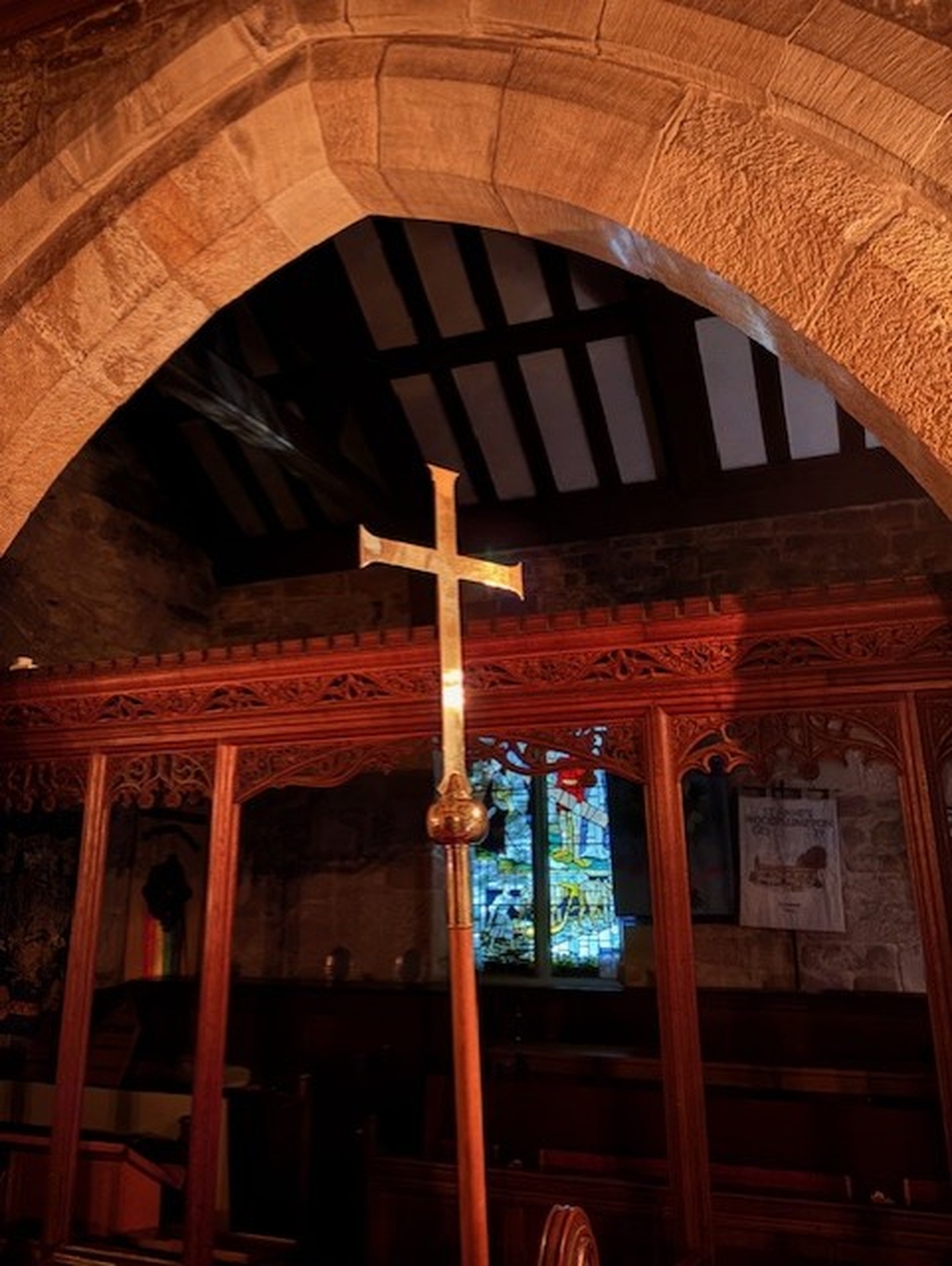




A blog post based on the sermon preached at St Anne's, Woodplumpton, on Remembrance Sunday.
Scripture Reading: Matthew 5:1–12
On Remembrance Sunday, we gather first and foremost to remember and to honour the men from our village of Woodplumpton who gave their lives in the service of their country during the First and Second World Wars.
We remember them by naming them—reading their names out loud in the presence of each other and in the presence of God. Having named them, we stand in silence. In the midst of our lives of constant chatter, noise, and busyness, our willingness to be still and to be silent for the sake of the memory of others is, in many ways, the most profound and meaningful tribute we can offer them.
Our naming of those men from Woodplumpton—both on our village war memorial and out loud in church—is, in many ways, the only true homecoming they will ever receive. They left their homes and families in this peaceful corner of Lancashire, crossed the Channel, and were killed in the hell-on-earth of the trenches and battlefields. None of them left expecting or wanting to die. Yet when the reality of war became apparent, they did their duty and never returned alive.
Comfort in Our Mourning
In our Gospel reading, Jesus opens His Sermon on the Mount with the Beatitudes, beginning:
“Blessed are those who mourn, for they will be comforted.”
— Matthew 5:4
In our quiet standing on Remembrance Sunday, we enter into that holy act of mourning. We deliberately draw near to the grief of families across generations, trusting that God holds every tear shed for those who never came home.
When the First World War ended, it was called by some "the war to end all wars." If those men from Woodplumpton and the millions of others had really been the last to fall victim to conflict, our service of remembrance would feel very different today. We would know that despite the horrors of the trenches, something of the Kingdom of God had taken root—that we had truly learned what it means to hunger and thirst for righteousness.
Yet reality tells a different story.
Symbols of Love and Reconciliation
This summer, I had the opportunity to visit northern France. If you have ever visited the vast war cemeteries of Europe, you will know the quiet power of those endless rows of white headstones.
They cut across both Allied and German fields alike. The Christian cross stands over friend and former enemy without distinction—an enduring, poignant symbol of self-giving love and reconciliation.
If we truly took Christ’s command to love one another to heart—if we understood that He went to the cross to heal our brokenness—then we could celebrate Remembrance Sunday as the day war finally lost its power.
Called to Be Peacemakers
In the Beatitudes, Jesus makes a profound statement:
“Blessed are the peacemakers, for they will be called children of God.”
— Matthew 5:9
Notice that Jesus does not call blessed the peace-keepers. He says peace-makers—those who actively work, sacrifice, and forgive to build a world where war is no more. I suspect that is the sort of Remembrance Sunday all the men we remembered this morning would have wanted for us.
As we go about our daily lives this week, let us remember that each of us has the capacity to be a peacemaker in our homes, our community, and our world.
A Prayer for the Week Ahead
May God bless us with the grace to change:
To choose peace, where peace is possible;
To seek justice, where there is injustice;
To resist hatred and fear, and to see the humanity of those who are different from us.
May we never forget the cost of war, nor lose hope in the possibility of peace. May we keep awake to the things that threaten peace, and awake to the ways in which each of us can become a peacemaker.
Amen.
Fr Martin