When a "Casual" Word Changes EverythingHave you ever said something in passing, completely forgot about it, and later found out it meant the world to someone else?I had that exact experience recently. I was visiting a long-time friend in the hospital, and as I pulled up a chair, she looked at me and said, "15 years ago, you said something to me, and I’ve remembered it ever since. It’s been such a huge encouragement over the years." Cue the internal panic! My mind raced, wondering what on earth I could have said 15 years ago. But as I let out a massive sigh of relief, it got me thinking. In the hundreds of conversations we have every year, we often throw out casual comments that land with unexpected, life-changing weight.In Matthew 14, Jesus drops what might seem like a throwaway line to a casual reader. But look a little closer, and it turns out to be perhaps the most pivotal statement He ever made—one that should completely change how we live.Empty Batteries and Unexpected StormsTo set the scene: Jesus has just received the tragic news of John the Baptist’s death. Exhausted and grieving, He tries to retreat, but the crowds follow Him. Moved with compassion, He feeds 5,000 people with five loaves and two fish.By the time evening comes, His "social battery" is completely drained. He sends His disciples ahead in a boat and goes up a mountainside alone to pray.A Quick Lesson for Us: > When the pressure of life builds up, Jesus defaults to His true North: retreat and quiet time with the Father. It’s a simple discipline, but one we desperately need.Meanwhile, out on the lake, a gentle boat ride turns into a nightmare. The wind picks up, the waves buffet the vessel, and suddenly, the disciples are entirely out of control, battling exhausting conditions all through the night.Then comes what might be the most casually written line in the entire Bible:“Shortly before dawn Jesus went out to them, walking on the lake.” (v. 25)Matthew writes it so understatedly! Imagine the disciples—exhausted, terrified, facing down the very real possibility of dying at sea. Suddenly, through the mist, they see a figure on the water. Thinking it’s a ghost, they scream out in utter panic.The Drop-the-Mic Moment: "I AM"They needed something to settle their doubt and terror. And then Jesus speaks the words that changed everything:“Take courage! It is I. Don’t be afraid.” — Matthew 14:27In English, "It is I" sounds simple enough. But in the original Greek text, the phrase is Ego Eimi, which translates literally to: "I AM."For anyone familiar with the Old Testament, those two words trigger a massive revelation. When Moses asked God His name at the burning bush in Exodus, God replied: "Tell them I AM sent you." Up until this point in Matthew’s Gospel, the disciples had been asking: Who is this guy? Even the wind and waves obey Him! They’ve seen the miracles, but now comes the mic-drop moment. Jesus speaks directly into their storm and reveals His true identity: I AM. I am God.Stepping Out of the BoatWhat happens next is one of the wildest human moments in scripture. Peter, impulsive as ever, says, "Lord, if it’s you, tell me to come to you on the water." Jesus invites him, and Peter actually steps out and starts walking on the water! But the second he takes his eyes off Jesus and looks at the howling wind and roaring waves, fear takes over, and he begins to sink.He cries out, "Lord, save me!" and Jesus instantly catches him, asking, "Why did you doubt?"The lesson for us is unmistakable:Focus on the storm, and we sink under the weight of our problems.Fix our eyes on Jesus, and He lifts us above seemingly impossible situations.As soon as they climb into the boat, the wind dies down. Three incredible miracles occurred in just a few minutes: Jesus walked on water, Peter walked on water, and the storm instantly ceased.But the true climax of the story isn't the miracles. It's what the disciples do next: they worship Him. They finally get it: "Truly you are the Son of God."No Need to DoubtWhy do we doubt? Because we’re human. We're fallible, and we shouldn't beat ourselves up when our faith wobbles.But when the storms of life hit, listen for the voice of Jesus echoing across the waves. When we truly recognize that the Almighty I AM is in our boat, fear loses its grip. He is the Lord over every wind and wave—and we can step out in confidence, knowing He’s holding us every step of the way.AmenRev. Martin
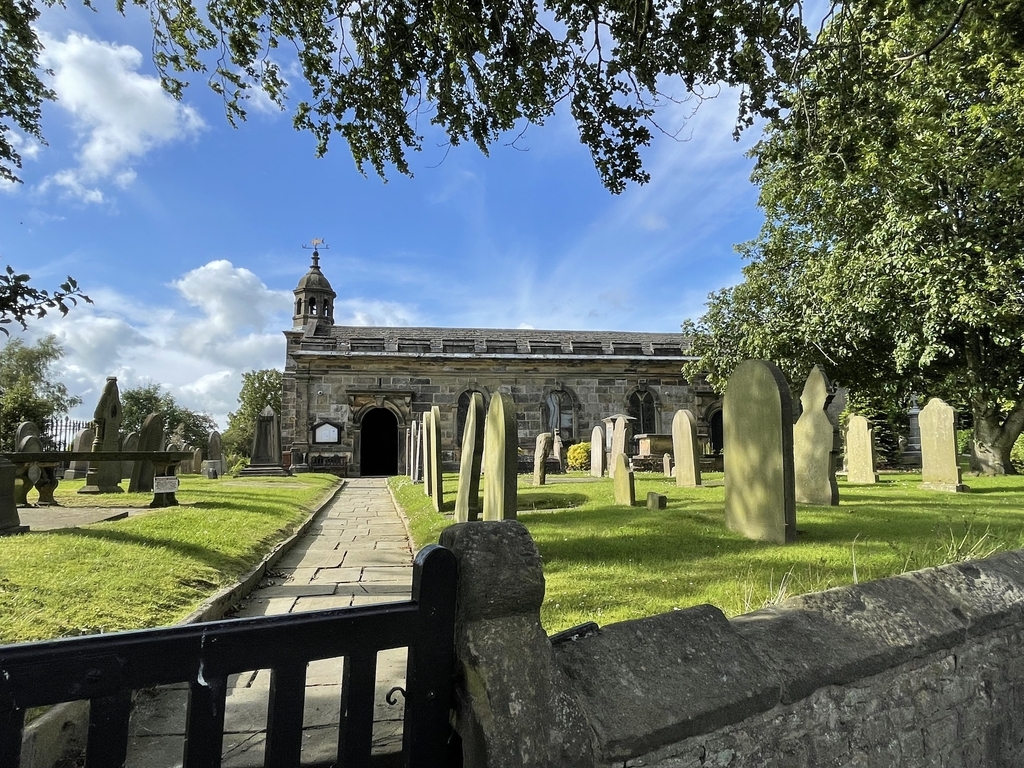
We are absolutely delighted to welcome Bishop Jill to lead our service and celebrate the Eucharist with us.When: Sunday 26th July at 10:30 AMWhere: St Anne's Church, Woodplumpton Road, Preston (PR4 0NE)After the Service: Stick around! We will be hosting a BBQ and refreshments to keep the celebrations going.Whether you are a lifelong regular, haven't been to church in a while, or are just curious to see what our community is all about, all are welcome. Come along, share in the fellowship, and celebrate with us!
If you were with us at St Anne’s last Sunday, you’ll know we are diving deep into the parables of Jesus from the Gospel of Matthew. Last week, Reverend Jeff challenged us to look at the power of God’s word and asked a crucial question: Are we actually willing to listen to God? This week, we picked up right where we left off, looking at Matthew 13:24-30, 36-43—better known as The Parable of the Weeds and the Wheat.The Urgency Behind Closed DoorsTo set the scene, Jesus had just finished speaking to a massive crowd from a boat on the lake. After telling a few stories, He said goodbye to the crowds, and He and the disciples headed back to their base camp in Capernaum.The text suggests that the very second they shut the door to the house, the disciples lunged at the opportunity to ask questions. There was a real urgency there. They didn't want to just hear a nice story; they wanted to understand it.That is exactly why we gather on Sundays and throughout the week in 2026. We are trying to figure out what a story told nearly 2,000 years ago means for our lives today.A Tale of Two Plants (and Bad Gardening)Now, Jesus loved using farming imagery. I’ll let you in on a little secret: I am a keen gardener....Okay, that’s a bit of a fib. My wife, Tracey, is the keen gardener. I am the guy who gets a checklist of manual labour to do in the garden! But even as an amateur, I know that at this time of year, weeds are an absolute headache. And unless you’re an expert, it can be incredibly difficult to tell a weed apart from a intentional plant when they are young.In this parable, Jesus talks about a specific weed: Darnel (often called "poison ryegrass" or "the cheat").The Deception of Darnel: During its early stages of growth, Darnel looks absolutely identical to wheat. Even a seasoned farmer walking through the field cannot tell them apart. To make matters worse, Darnel is often infected by a toxic fungus. If it's harvested and ground into flour accidentally, it causes severe sickness, hallucinations, and can even be fatal.The Age-Old Question: Why is There Evil?In the story, the servants notice the weeds and immediately start pointing fingers at the master: “Sir, didn’t you sow good seed in your field? Where then did the weeds come from?” (v. 27).It’s the ultimate human question, isn't it? Why does bad stuff happen? If God is good, why is there evil in the world? The Master’s reply in verse 28 is completely direct: “An enemy has done this.” But notice when the enemy struck: "while everyone was sleeping." This doesn't mean the workers were lazy; it just means it happened during the night when it was dark and they were oblivious. The enemy’s act was cruel, cowardly, and calculated.The Takeaway for UsWhile we absolutely need physical sleep, we must work hard to stay spiritually awake. When God’s people go to sleep spiritually—neglecting prayer, stepping away from scripture, and drifting into apathy—that is exactly when the enemy does his worst work.Two Major Lessons for St Anne'sWhen the servants realise what happened, their immediate human reaction is to try and fix it: “Do you want us to go and pull them up?” We love being in control, don't we? We want to sort things out and decide who is "in" and who is "out." But the Master gives a firm instruction: "No... because while you are pulling the weeds, you may uproot the wheat with them."Here are the two things we need to take away from this:1. The Pressure is Off (Stop Judging!)The instruction not to interfere takes a massive load of pressure off our shoulders. It is not our job to play cosmic judge. God is the ultimate reader of human hearts.Sometimes, good and bad grow side-by-side in our lives, our communities, and even our own hearts, looking identical for a very long season. Instead of trying to police the field, our task is simple: don't pull up the false; plant the true. Live with a radical openness, pray for those who are different, and let God handle the rest.2. Good is Growing TooIf the weeds and the wheat are allowed to grow together until the harvest, that means wherever evil is growing, God's goodness is growing just as fast. We live in a world saturated with bad news, but if we train our eyes to look for it, God is doing incredible things right beside it. Jesus is the ultimate good news, and His grace is actively working in the world.The Ultimate Test: Standing Tall vs. Bowing LowSo, how do you eventually tell the difference between the weeds and the wheat? You wait for the harvest. When they finally reach maturity, the difference becomes obvious:The Fake Wheat (Darnel): Stands tall, stiff, and proud. It looks impressive, but it’s light and hollow because it has no real substance inside.The Real Wheat (That’s us!): Bows low to the ground. Why? Because it is heavy and overflowing with the weight of good grain.True maturity in the Kingdom of God isn't about standing tall in self-righteous judgment. It’s about bowing low in humility, heavily laden with the fruit of the Spirit. And the promise at the end of the story is beautiful: the righteous will ultimately "shine like the sun in the kingdom of their Father."Whoever has ears to hear, let them hear.