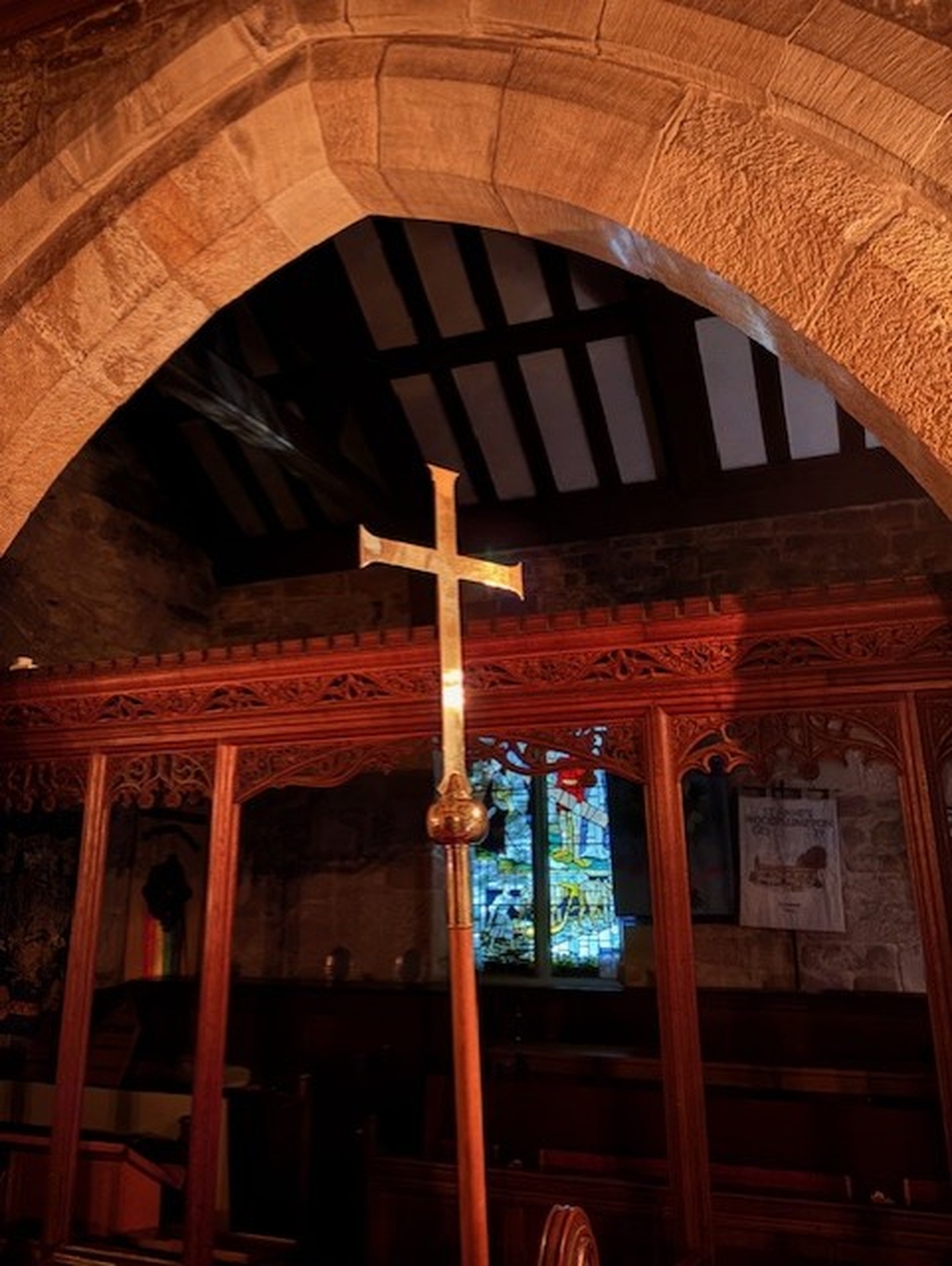
The Greatest Miracle of Good Friday: The One That Didn't HappenPart of the work of a Priest is to illuminate the Gospels, to shed new light on ancient truths. We are tasked with engaging deeply with the Scriptures to find that one spark that might point someone toward Jesus; something that might fundamentally reshape a listener's week, their month, or their entire life.But I will be honest with you: one of the greatest challenges a Priest faces is doing justice to God’s Holy Word. Some weeks, the words flow like a river. Other times, it takes hours of prayer, preparation, and the heavy lifting of the Holy Spirit to craft a message that honours the weight of the Gospel.Sometimes, it takes a miracle just to find the right words. And as I reflected on the Passion reading this year, I realised that miracles,or rather, the lack of them, are exactly what makes this day so significant.An Ominous SilenceOn that first Good Friday, the crowd gathered at the foot of the Cross expected a miracle. They dared Jesus to step down, to save Himself, to prove His power. And yet... there was an astonishing absence of the supernatural.Think of what we might have anticipated based on the rest of Jesus' ministry:The Angels: The heavenly hosts who tended to the Lord in the wilderness were conspicuous by their absence. They kept their distance.The Father’s Voice: The God who spoke with clarity and authority at the Baptism and the Transfiguration remained ominously silent.The Power over Nature: The ability to walk on water, calm the storms, and reverse the course of death was suddenly, jarringly, suspended.The Miracle of RestraintI believe the true miracle of Good Friday is that there were no miracles.Jesus hung there, wholly capable of rescuing Himself. He had the power to end the agony, to call down legions of angels, and to step off those nails. But He chose not to. He deliberately relinquished His privileges, His power, and His position. He clung to that Cross until He could finally say, "It is finished," and draw His final breath.The miracle was His restraint. He stayed there for you and for me, so that we would never have to pay the price for our own sins.A Love of OneI have said this before, and I will continue to say it until it truly sinks into our hearts: Even if you were the only person on this planet, Jesus would have still gone to the Cross for you. He sees you. He knows you. He loves you unconditionally. He didn't stay on the Cross for a nameless "humanity", He stayed there for you.The stillness of Good Friday was not a sign of defeat; it was the ultimate act of love. The power was suspended so that the grace could be extended.And as we wait in the quiet of the tomb, we remember: the silence only lasted for a moment. Three days later, the miracles began again.Amen.
The View From Below: Lessons from India and a Basin of WaterTracey and I recently returned from an incredible trip to India. It was a life-changing experience, but if I’m being honest, one of the most persistent memories I have is of the dirt and dust.Everything was dry, dirty, and smelly. We spent most of our time in sandals, and by the end of each day, our feet were… well, you can imagine. All we wanted was the simple grace of a cold shower and a good scrub to get that grime off.In the ancient world, this wasn't just a matter of comfort; it was a necessity. When you arrived at a home, washing your feet was a sign of respect and welcome. But it was also a "hands-on" job reserved for the lowest of the low, the servant at the bottom of the pecking order.It is into this specific, gritty setting that we find Jesus in John 13, picking up a towel and a basin.A Shadow Over the TableIt’s easy to imagine the Last Supper as a serene, stained-glass moment. But if you had walked into that room, you would have felt the tension. The atmosphere was off.John’s Gospel tells us that Jesus knew "his hour had come." In John, "the hour" always points to the Cross. Everything, the betrayals, the politics, the divine timing, was coming to a head. Even Judas was sitting there, the shadows already lengthening around him.In the middle of this heavy, high-stakes atmosphere, Jesus does something completely unexpected.The Power of "Laying Aside"The text says Jesus "laid aside" his outer robes. In the original Greek, the word is tithemi. It means more than just taking off a jacket; it means to set something down or lay it aside.It’s the same word Jesus uses when He speaks of the Good Shepherd who "lays down" (tithemi) His life for the sheep.Think about that for a second. By laying aside His robes to wash feet, Jesus was acting out the story of His entire life:The Eternal One laid aside His heavenly glory.He emptied Himself and took the form of a slave.He revealed what the life of the Trinity actually looks like: a circle of humble, self-giving love with no pecking order.Loving the "Dirty Parts"While the disciples were busy arguing about who was the "Greatest of All Time," Jesus was looking at their feet.Washing someone's feet is intimate and, frankly, a bit awkward. It requires you to look at the "dirty parts" of someone’s life. This tells us something vital about God: Jesus doesn’t just love humanity in the abstract. He loves us in our literal mess.He loves us beneath our dignity. He loves us in the things we’re glad even our best friends can’t see.The Peter ProblemPeter, predictably, is the "king of all or nothing." First, he refuses to let Jesus touch his feet (it's too humiliating!). Then, when he realises he needs Jesus, he asks for a full bath: "Tip the lot over me!"But Jesus isn't looking for grand, heroic gestures. He is looking for followers who are willing to be served by Him and, in turn, serve others in the ordinary, dusty moments of daily life.No Other WayIf we want to see Jesus today, we shouldn't just look up at inspiring words or high ideals. We have to look down. Jesus is found beneath our self-respect and our status. He is there, pouring water into a bowl, washing the feet of the man who would deny Him (Peter) and the man who would betray Him (Judas). His love isn't based on our performance; it's based on His character.What does this mean for us this Holy week?Service is not beneath you: If the Lord of the Universe picked up a towel, no task is too small for us.Grace is messy: Following Jesus means getting our hands dirty in the lives of others.The blessing is in the doing: Jesus ends this scene by saying, "If you know these things, you are blessed if you do them."There is no other way than the way of Jesus. It is the way of the basin, the towel, and the cross, and it is the only way that leads to life.Fr Martin
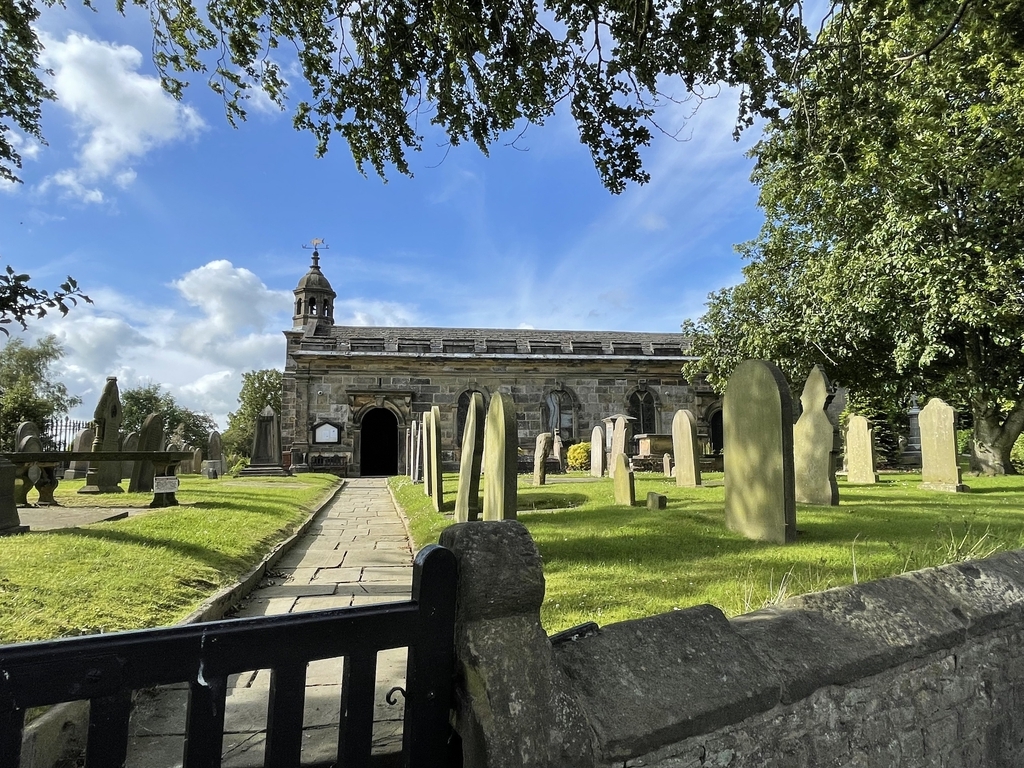
Join us at St Anne's to walk the journey of Holy week together.Sunday 2nd 10.15am Palm Sunday Family Service with ProcessionMonday 3rd 7pm ComplineTuesday 4th 7pm ComplineWednesday 5th 7pm ComplineThursday 6th 7pm Maundy Thursday LiturgyFriday 7th 2pm Liturgy of Good FridaySunday 8th 10.30am Easter Day Eucharist
The Well at Noon: Why Unexpected Conversations MatterWe’ve all been there, choosing the "quiet" route or the "off-peak" hour just to avoid small talk or judgmental glances. In the Australian desert, staying out of the midday sun is a matter of survival. But for a certain woman in Samaria, the midday heat was a sanctuary from a different kind of burn: the sting of gossip.Nobody Goes to the Well at NoonIn the Middle East, the well is the social hub, but usually only in the cool of the morning or evening. You go then to share news, hear the latest stories, and connect.The Samaritan woman went at noon precisely because she wanted to be alone. She’d decided that the scorching sun was easier to bear than the whispers and stares of her neighbours. But when she arrived, someone was waiting.A Divine InterruptionJesus was there, tired and dusty, having sent his disciples away. When He asks her for a drink, He breaks every social rule in the book:The Gender Gap: Men didn't typically initiate conversation with lone women.The Cultural Divide: Jews and Samaritans were historical enemies.The Power Dynamic: Usually, people asked Jesus for things; here, He starts by asking for her help.That simple, "Can I have a drink?" wasn't just about thirst. It was an invitation. By asking for her help, Jesus gave her something she hadn't felt in a long time: value.From Avoiding People to Inviting ThemWhat started as an awkward request turned into a life-changing dialogue. Jesus didn't just offer "living water"; He offered a listening ear. He treated her as someone worthy of discussing theology and faith.By the end of the encounter, the transformation was complete:She forgot her errand: She left her water jar behind.She forgot her shame: She ran back to the very city she had been avoiding.She became a bridge: The woman who went to the well to be alone became the reason an entire town came to meet the Messiah.Where is Your "Well" This Week?We might not have many physical wells in our neighbourhoods, but we all have places we go by necessity or places we go to hide.As you go through your week, consider these questions:Are there "wells" you go to hoping nobody else will be there?Who is the "stranger" you’ve been avoiding eye contact with?Is there a story God is calling you to hear?Sometimes, the most inconvenient, unexpected, or "awkward" conversations are exactly where the living water is found.Fr Martin