Colonel Bob Stewart DSO talk on Peacekeeping in Bosnia

Occurring
for 2 hours
Venue
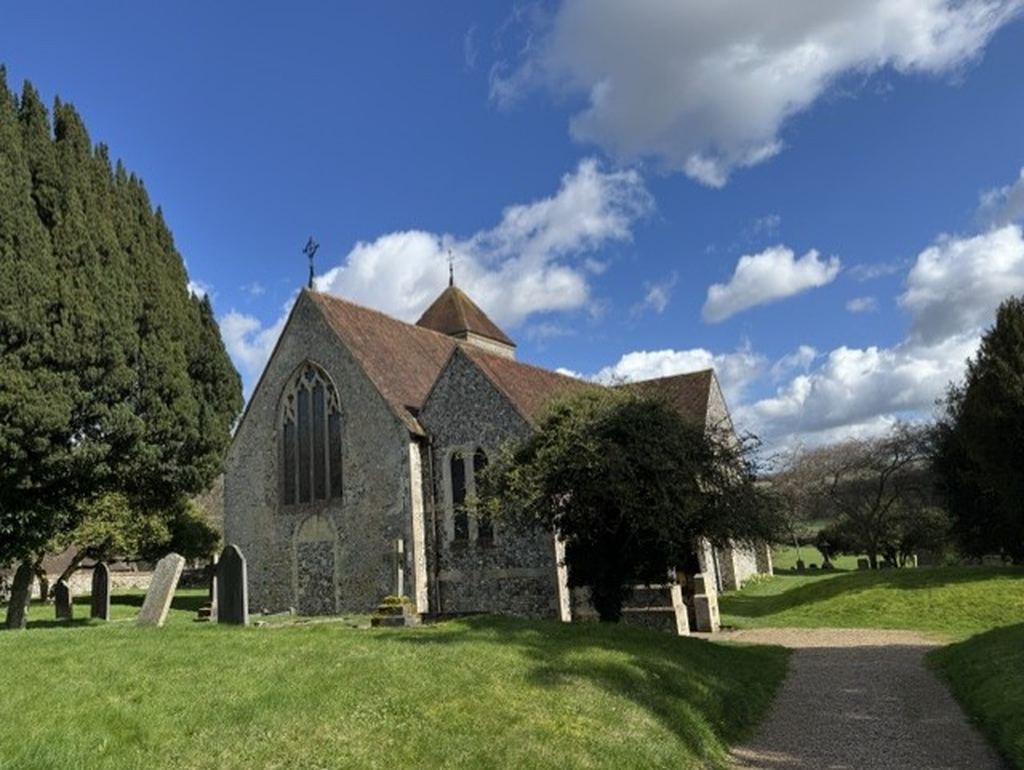
St Lawrence the Martyr
Address
Canterbury Road Godmersham, CT4 7DR, United Kingdom

Commander of UN Forces in Bosnia during the conflict there.

Colonel Bob Stewart DSO is one of the most prominent British military figures associated with the Bosnian War. His role in Bosnia in the early 1990s was significant, traumatic, and later became central to his public life as an MP and commentator. Who he was in Bosnia (1992–1993)-Stewart commanded the first British battalion deployed under UN command in Bosnia, part of UNPROFOR during Operation Grapple. His unit’s mission was officially humanitarian escorting aid convoys, protecting civilians, and negotiating access through hostile areas but in practice they found themselves in the middle of a brutal civil war. He arrived in Bosnia in 1992, leading an armoured infantry battalion of the Cheshire Regiment.
His troops were often the first international forces to witness atrocities, including mass killings, ethnic cleansing, and destroyed villages.
Stewart became known for his direct, outspoken reports up the UN chain of command, arguing that Bosnian civilians needed real protection, not just observation.
He and his soldiers were involved in evacuations, including helping rescue around 2,000 women, children, and elderly people from Srebrenica in April 1993.
Two members of his team, Lance Corporal Wayne Edwards and his interpreter Dobrila Kolaba, were killed during the deployment.
His experiences were harrowing. Stewart later described scenes such as mass graves, murdered families, and the aftermath of massacres accounts that shaped his later advocacy on military intervention and humanitarian protection.
Recognition and impact -for his leadership in Bosnia, Stewart was awarded the Distinguished Service Order (DSO).
He became one of the most publicly recognisable British officers of the conflict, frequently interviewed by UK and international media. His frankness about UN limitations and his frustration at being unable to stop atrocities, made him a respected but sometimes controversial voice.
Stewart wrote Broken Lives: A Personal View of the Bosnian Conflict, a widely cited first‑hand account of the war and the failures of international peacekeeping.
He has remained a regular commentator on defence, peacekeeping, and humanitarian intervention. Stewart retired from the Army in 1996 and later entered politics:
MP for Beckenham (2010–2024) - Served on the Defence Select Committee
Often spoke in Parliament about Bosnia, Northern Ireland, and veterans’ issues.
Why he remains significant -Stewart’s Bosnia experience is often cited in discussions about: The limits of UN peacekeeping-The moral dilemmas of humanitarian intervention -The early international response to ethnic cleansing in Europe
The lessons later applied to Kosovo, Iraq, and Syria-He is remembered as a commander who tried to protect civilians despite having inadequate authority, resources and who spoke openly about the horrors his troops witnessed.

View attachment

St Lawrence the Martyr

St Lawrence the Martyr, Godmersham, is a beautiful church which welcomes visitors from all over the World. Jane Austen worshipped here, whilst staying with her brother at Godmersham Park . The church is always open for prayer and contemplation and is in a rural setting.

Get in touch

Mrs Suzanne Jay - King's Wood Benefice Church Administrator

What's on

Colonel Bob Stewart DSO talk on Peacekeeping in Bosnia

Occurring
for 2 hours
Venue
St Lawrence the Martyr
Address
Canterbury Road Godmersham, CT4 7DR, United Kingdom

Commander of UN Forces in Bosnia during the conflict there.

Colonel Bob Stewart DSO is one of the most prominent British military figures associated with the Bosnian War. His role in Bosnia in the early 1990s was significant, traumatic, and later became central to his public life as an MP and commentator. Who he was in Bosnia (1992–1993)-Stewart commanded the first British battalion deployed under UN command in Bosnia, part of UNPROFOR during Operation Grapple. His unit’s mission was officially humanitarian escorting aid convoys, protecting civilians, and negotiating access through hostile areas but in practice they found themselves in the middle of a brutal civil war. He arrived in Bosnia in 1992, leading an armoured infantry battalion of the Cheshire Regiment.
His troops were often the first international forces to witness atrocities, including mass killings, ethnic cleansing, and destroyed villages.
Stewart became known for his direct, outspoken reports up the UN chain of command, arguing that Bosnian civilians needed real protection, not just observation.
He and his soldiers were involved in evacuations, including helping rescue around 2,000 women, children, and elderly people from Srebrenica in April 1993.
Two members of his team, Lance Corporal Wayne Edwards and his interpreter Dobrila Kolaba, were killed during the deployment.
His experiences were harrowing. Stewart later described scenes such as mass graves, murdered families, and the aftermath of massacres accounts that shaped his later advocacy on military intervention and humanitarian protection.
Recognition and impact -for his leadership in Bosnia, Stewart was awarded the Distinguished Service Order (DSO).
He became one of the most publicly recognisable British officers of the conflict, frequently interviewed by UK and international media. His frankness about UN limitations and his frustration at being unable to stop atrocities, made him a respected but sometimes controversial voice.
Stewart wrote Broken Lives: A Personal View of the Bosnian Conflict, a widely cited first‑hand account of the war and the failures of international peacekeeping.
He has remained a regular commentator on defence, peacekeeping, and humanitarian intervention. Stewart retired from the Army in 1996 and later entered politics:
MP for Beckenham (2010–2024) - Served on the Defence Select Committee
Often spoke in Parliament about Bosnia, Northern Ireland, and veterans’ issues.
Why he remains significant -Stewart’s Bosnia experience is often cited in discussions about: The limits of UN peacekeeping-The moral dilemmas of humanitarian intervention -The early international response to ethnic cleansing in Europe
The lessons later applied to Kosovo, Iraq, and Syria-He is remembered as a commander who tried to protect civilians despite having inadequate authority, resources and who spoke openly about the horrors his troops witnessed.

View attachment

Safeguarding

"Our parish of Godmersham: St Lawrence the Martyr is committed to safeguarding children, young people and adults from harm. We follow the House of Bishops guidance and policies and have our own Parish Safeguarding Officer (PSO). Our Diocese of Canterbury’s safeguarding pages contain vital links and information including contacts for the Diocesan Safeguarding Advisor who advises our PSO. If you are concerned that a child or adult has been harmed or may be at risk of harm please contact the PSO Fay Dawes 07777 602677 email - [email protected] or the Diocesan Safeguarding Advisor Fiona Dawes 01227 459401 or 07548 232395 email - [email protected] . If you have immediate concerns about the safety of someone, please contact the police and your local authority’s children or adult social care services."