


History of Chesterton & St Giles’ Church
Chesterton & St Giles ChurchVillage History
The name Chesterton comes from "Chester" or "Cester," which denoted the site of a Roman camp (from the Latin Castra), and "ton," a Saxon term for an independent settlement. So Chesterton literally means “the settlement on the site of the camp.”
Roman Chesterton
The area has been inhabited for thousands of years, but during the Roman conquest of AD 42–48, the Fosse Way was a key route, with forts at regular intervals. Chesterton camp, covering about 8 acres, was a small town first fortified in the 2nd century.
Chesterton appears in the Domesday Book, with land owned by the Monastery of Coventry (gifted by the Saxon Earl Leofric before the Norman conquest) and Richard the Forester.
By the 11th century, the village was established near the church, but plague outbreaks caused it to relocate multiple times. After the 1348 plague, a third of the population died, and the village moved to the current location of the Green.
A mixed elementary school was built in 1866 (now the Old School House next to Lodge Farm) for 40 children but closed in 1953 as the population fell below 100.
The parish population today is 134 (2021 census). Until about 1970, the village had its own spring water; when mains water arrived, the spring supplied the lakes at Kingston.
The Peyto Family
The Peytos (originally de Peyto) owned Chesterton Manor from 1351 until the last family member died in 1746.
William de Peyto was the first to live at the Manor in the 14th century.
His son, John de Peyto, married the daughter of John de Warwick, gaining a larger estate. John was knighted in 1355.
Later generations included Humphrey de Peyto, William, Edward Peyto, and another Edward, who married Elizabeth Newtown.
Edward Peyto rebuilt the Manor, designed by the famous architect Inigo Jones, who also designed Chesterton Windmill in 1632. The Peytos planted a tree-lined avenue to the church.
When Margaret Peyto died in 1746 without children, the estate passed to her cousin John Verney. The Verneys remain patrons of Chesterton Church via Lord Willoughby de Broke, 21st Baron.
The Manor house was demolished in 1802 after being unoccupied for nearly 60 years; only garden walls and part of the stables (now Humble Bee Cottages) remain.
St Giles Church
The church was founded by Robert the Forester in the 11th century. During Richard II’s reign, it was presented to the Barons of Kenilworth by William Croc.
A fortified Manor House once stood beside the church, with a moat for protection.
Dedication
St Giles, patron saint of beggars, the disabled, and lepers, came from a wealthy Greek family, renounced his wealth, and lived as a hermit in Gaul. The Benedictine Abbey of St Gilles near Arles was founded in his honour in the 7th century.
Architecture
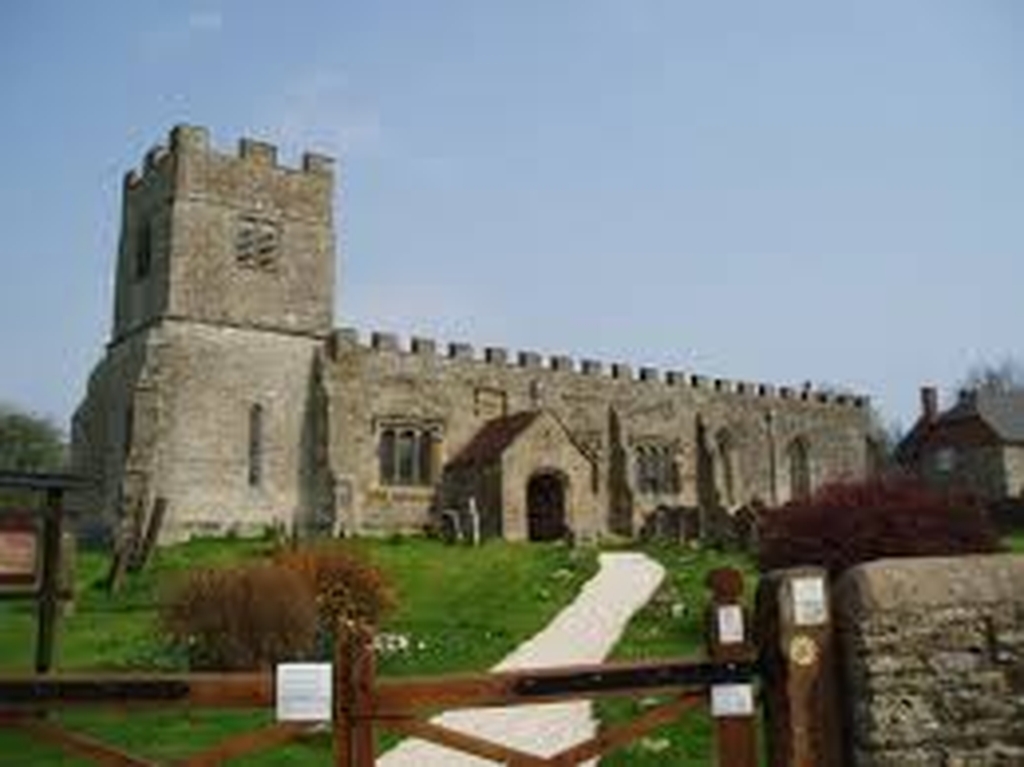
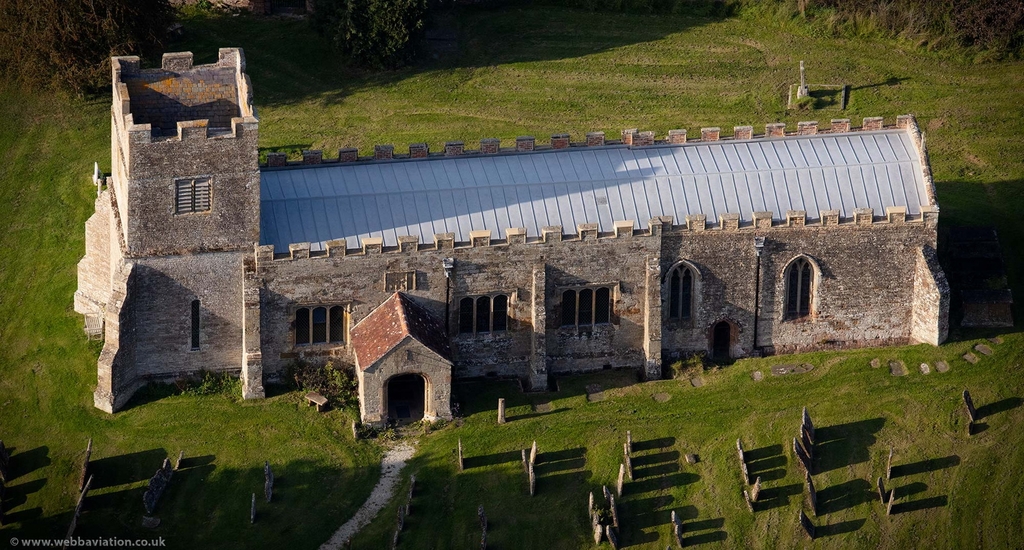
Built of limestone and Northampton stone in the perpendicular style.
Walls: 3ft thick with external buttresses.
Square tower: built of older material in the 17th century.
Crenellated parapet: added by the Peyto family.
Wooden screen (Chancel/Nave, 1926) carved with a caterpillar on a vine by a local craftsman.
South porch: three figures (likely the Wise Men) and a sundial reading, “See, and be gone about your business.”
Norman font: one of the oldest in the Diocese.
Church Registers
Marriages: 1538
Burials: 1539
Baptisms: 1529
Peyto Monuments
Humphrey Peyto & Anna: large altar tomb (1585) with effigies of their ten children.
William Peyto & Elianora: monument by son Edward, sculpted by Nicolas Stone.
Busts of Sir Edward Peyto & Elizabeth Newton.
Another Sir Edward Peyto buried under the floor (d. 1658, aged 34).
Memorials & Windows
East window: in memory of the 17th Lord Willoughby de Broke (d. 1862).
Chancel: urn of ashes of Lord Willoughby de Broke (d. 1923).
South windows:
Charles Warhurst (local farmer) depicting St Giles protecting a hind from a king’s arrow.
Robert Righton (d. 1885) commemorated by his widow Eleanor.
Churchyard Features
North wall: private gateway to the old Peyto Manor, restored by English Heritage.
Blocked north door: former Peyto family entrance.
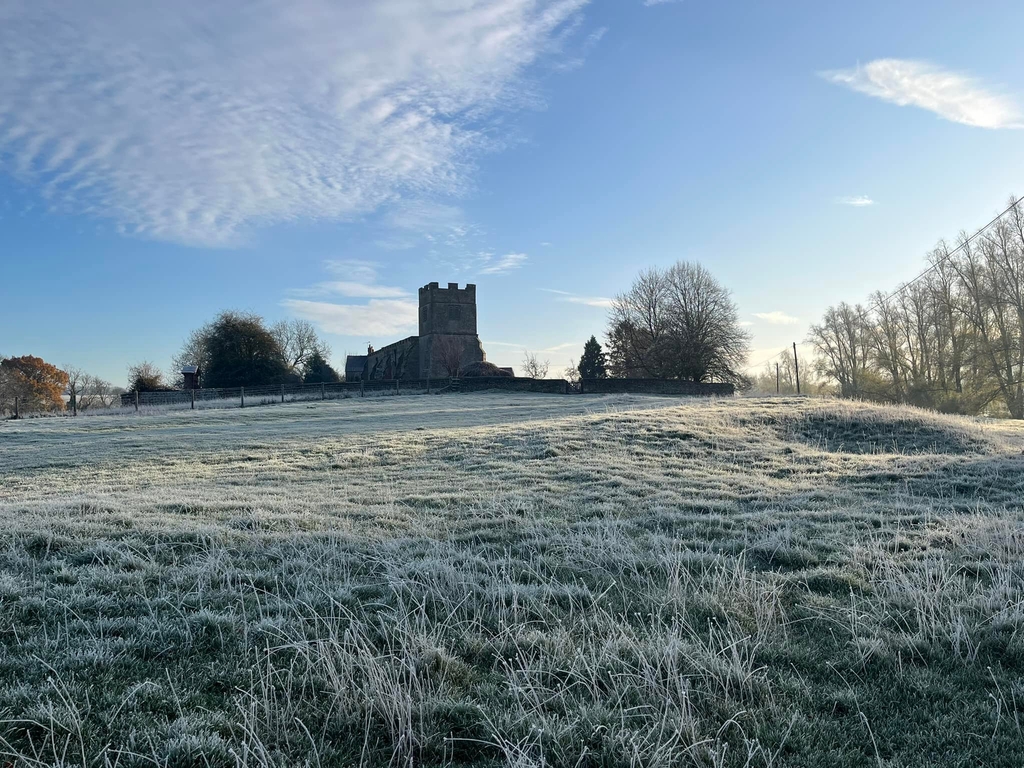
Tournament Field: behind the church, used for jousting and medieval displays.
Lake opposite the church: built in 1964 for irrigation; now stocked with fish and home to wild birds, including three swans.