

About Us
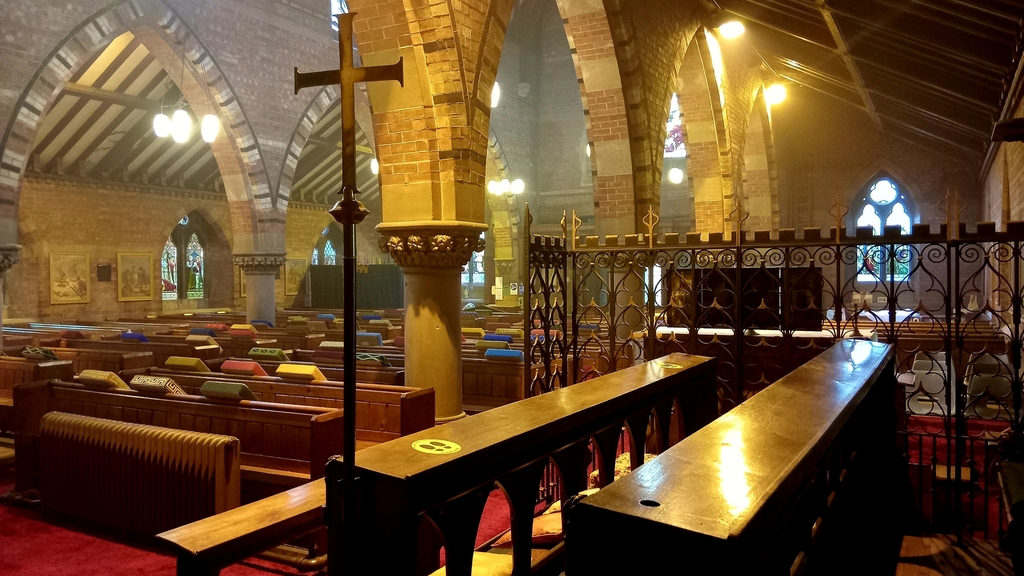
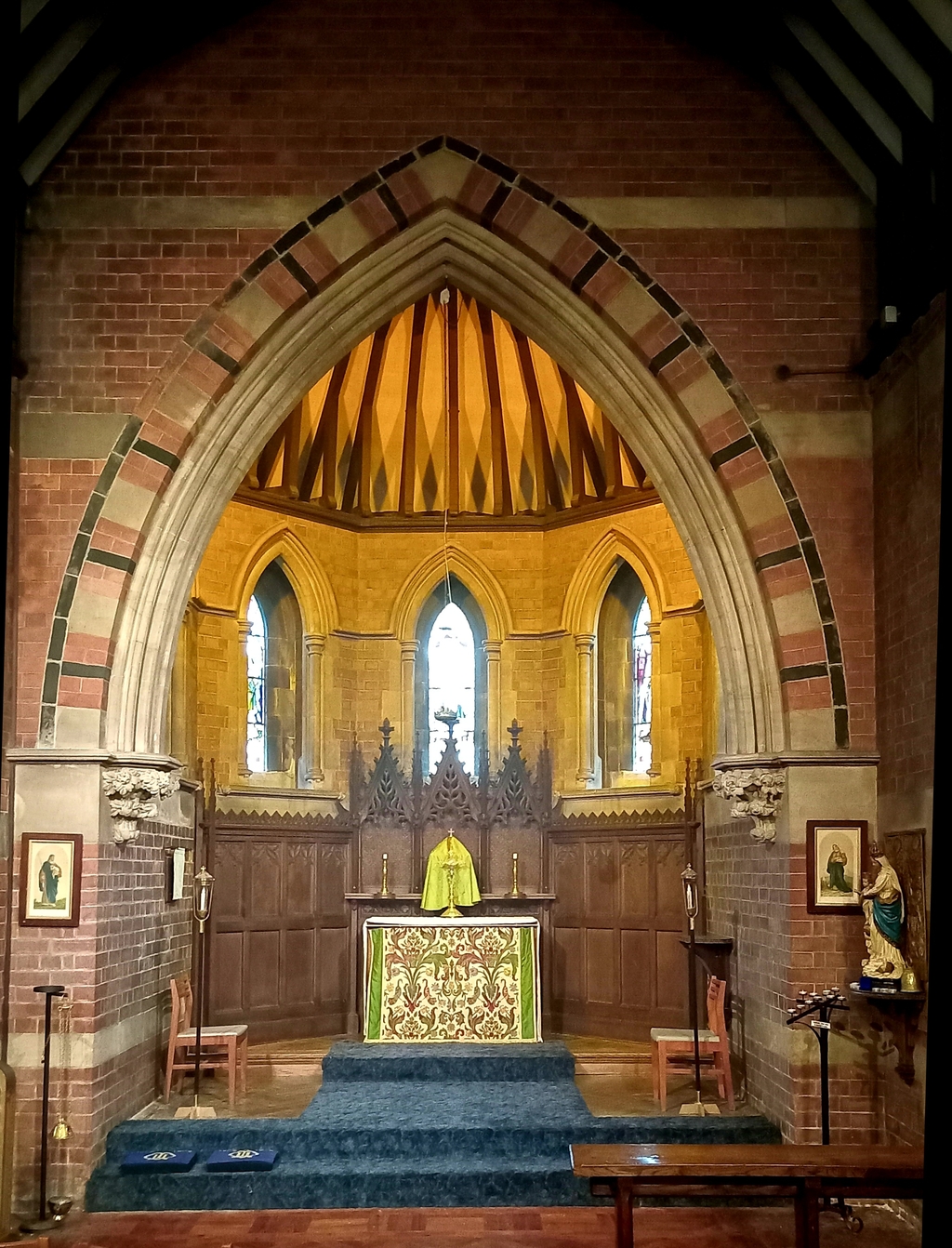
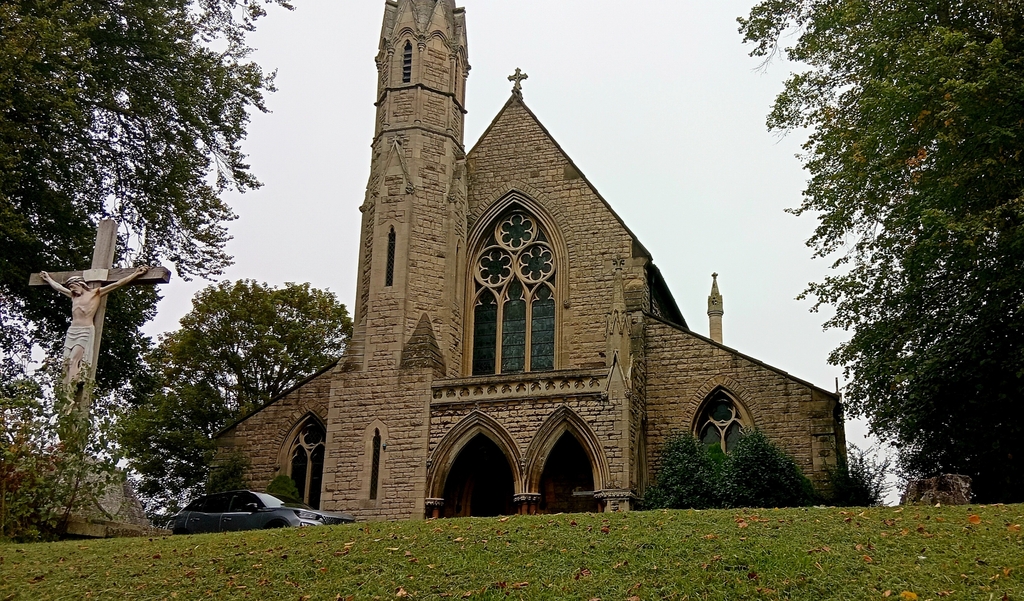
St Michael & All Angels’ Church was consecrated by the Bishop of Lincoln in 1863 and was designed by James Fowler of Louth (1828-1892). He was a prolific architect and restorer of Lincolnshire churches.
St Michael’s became reputed for worshipping in the Anglo-Catholic tradition, and over 160 years later it continues to hold dear this traditional yet inclusive form of worship.
History
St Michael and All Angels was built due to the generosity of one William Wright, (born in Somerby near Brigg on 24th March, 1785). During his childhood, Wright attended Louth Grammar School which must have left him with fond memories of the town, as in his later years he gave the then current vicar of St James’s a blank cheque followed by a cheque for £1000 for the purchase of the site and the building works for the church. Sadly William Wright died before seeing the completion of St Michael’s.
This beautiful Church was consecrated on 5th May 1863 and is a fine example of James Fowler’s work. The original cost of St. Michael’s was £3,266.13s.6d.
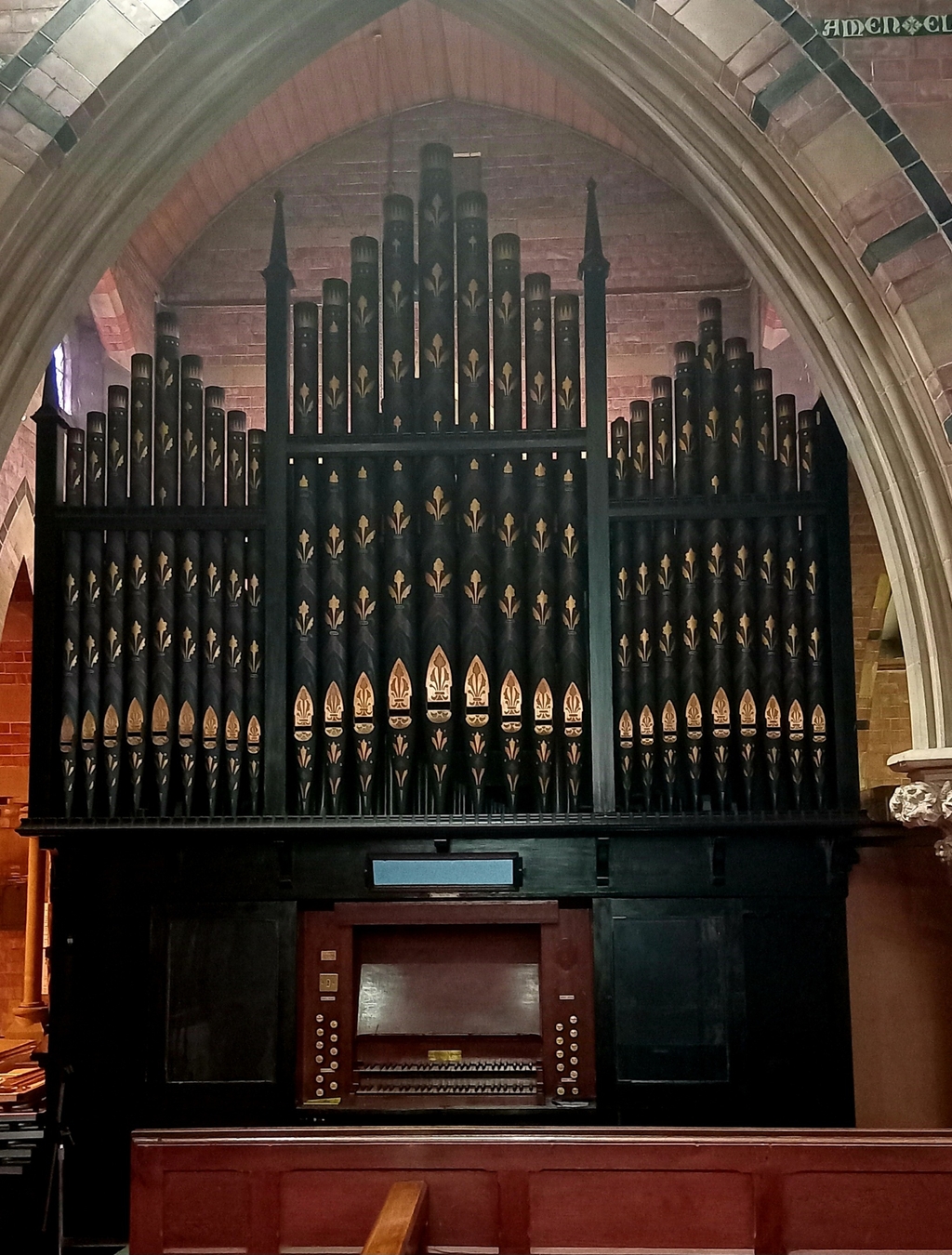
An organ was procured in 1864 from Foster and Andrews of Hull at a cost £300.0s.0d. The cost for this was raised from a highly successful bazaar held in Louth Town Hall; a most impressive amount considering the value of money at that time. In 1908 the present Lady Chapel was added and cost £1,300.0s.0d.
During its 160+ years as a place of worship, the church has had its ups and downs in terms of the size of its congregation, and as the Christian faith in the Western Hemisphere grew weaker and weaker over the last 50 years, its numbers fell and it could no longer support a priest in charge. Sadly in March 2020 the church closed, but God always has the last word!
In January 2024, St Michael & All Angels’ opened again, and currently holds one service per month, its 09.30 a.m. Parish Mass - on the first Sunday of each month – but we are hoping to increase this.
Our Faith
During our monthly Parish Mass service, we use traditional liturgy and include both the Lord’s Prayer and the Nicene Creed. In fact, the Holy Bible, the Cross of Christ - our Lord - and the Nicene Creed are at the heart of our faith, and our worship is centred on the celebration of the Mass.
For our congregation, the singing of hymns (led by our organist) are also an important part of our worship to God. The service begins with a hymn, during which there is a procession of the thurifer, servers, and priest through the nave of the church. Bells and incense are used during our service.
The priest’s homily is based on the Sunday Lectionary Readings.
Refreshments
At the end of the Sunday morning service - which normally lasts 1 hour 10 minutes - we encourage the congregation to fellowship together with refreshments of tea, coffee or soft drink and biscuits which are served to us inside the church by volunteers.
A Few More Details about the Church
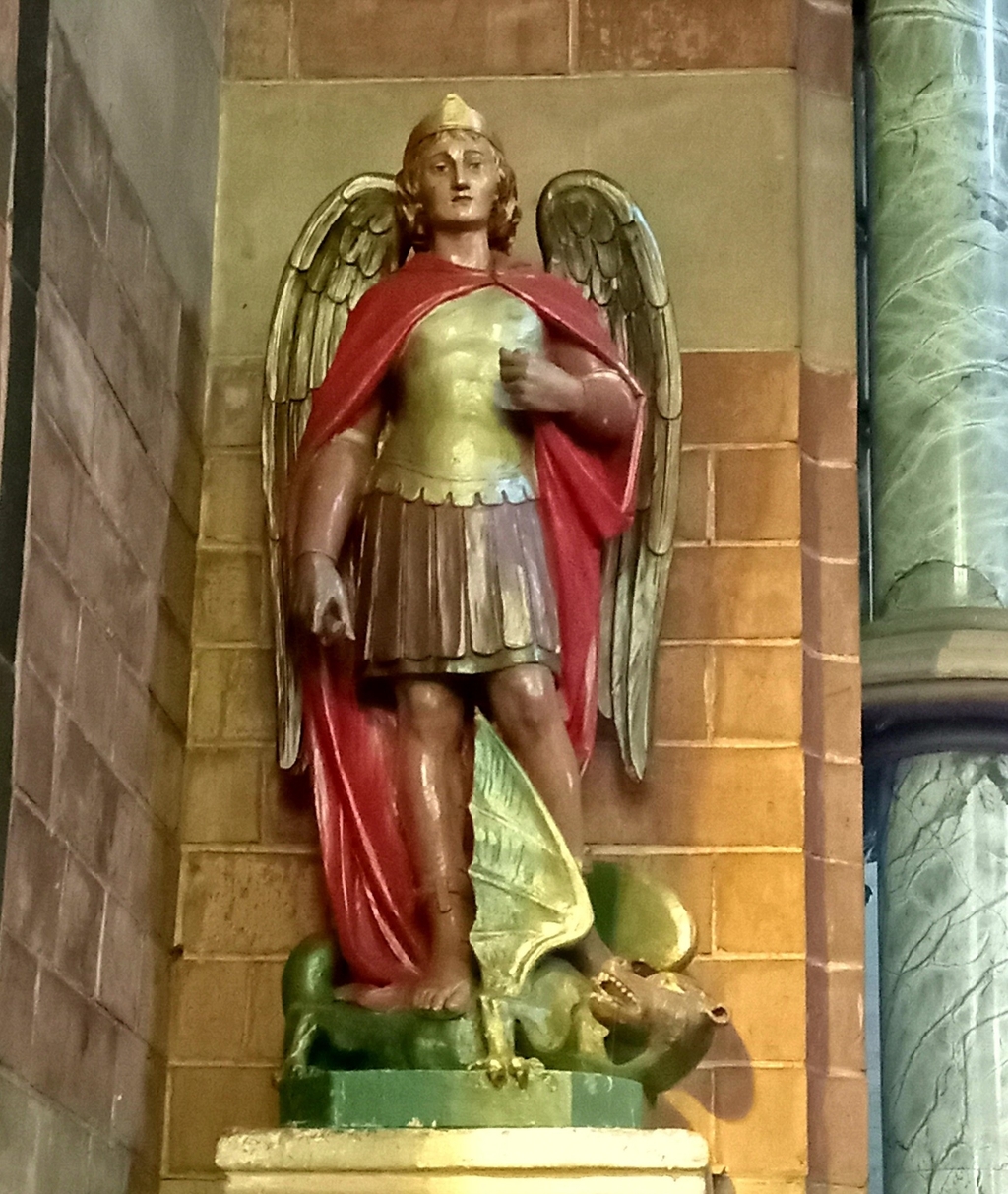
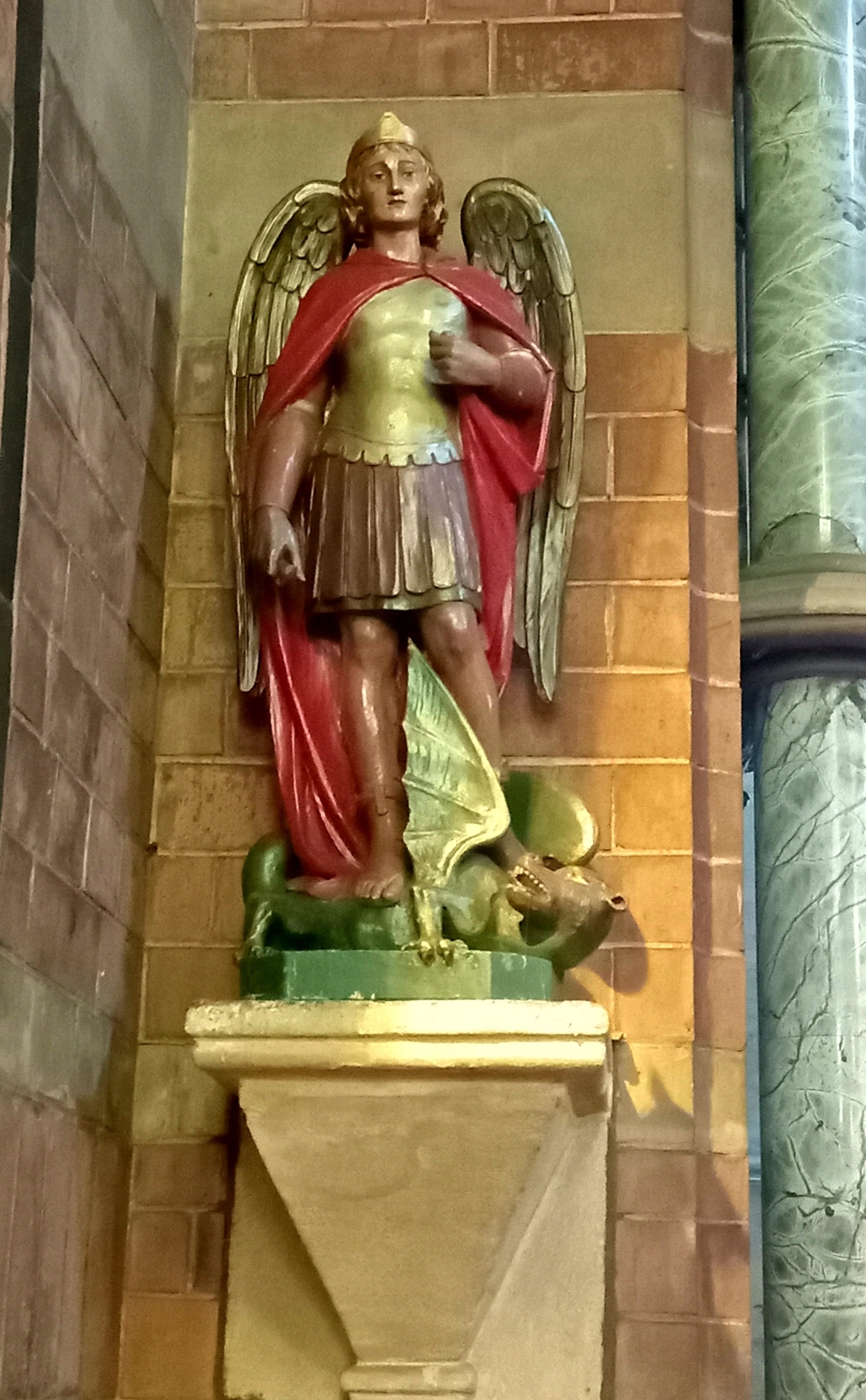
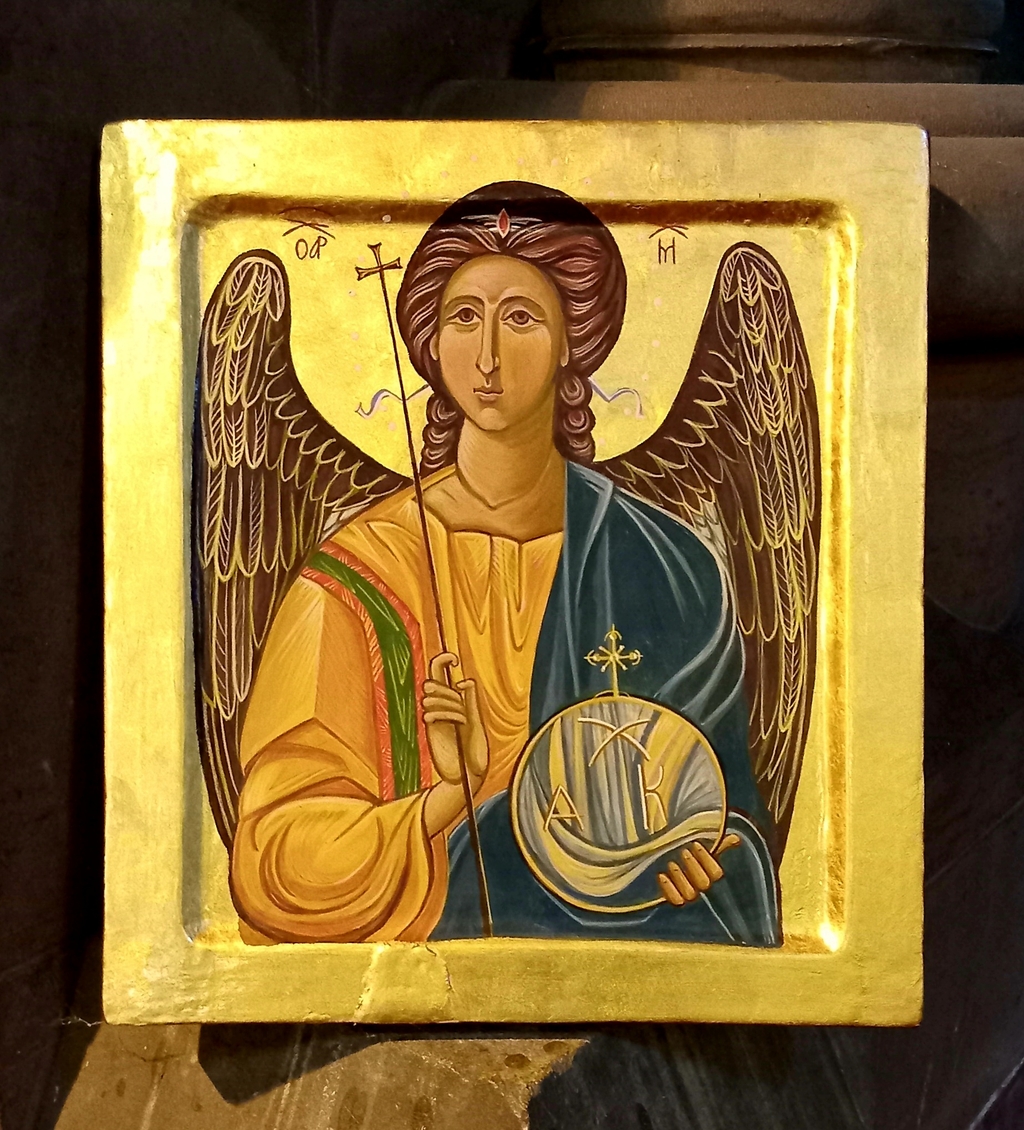
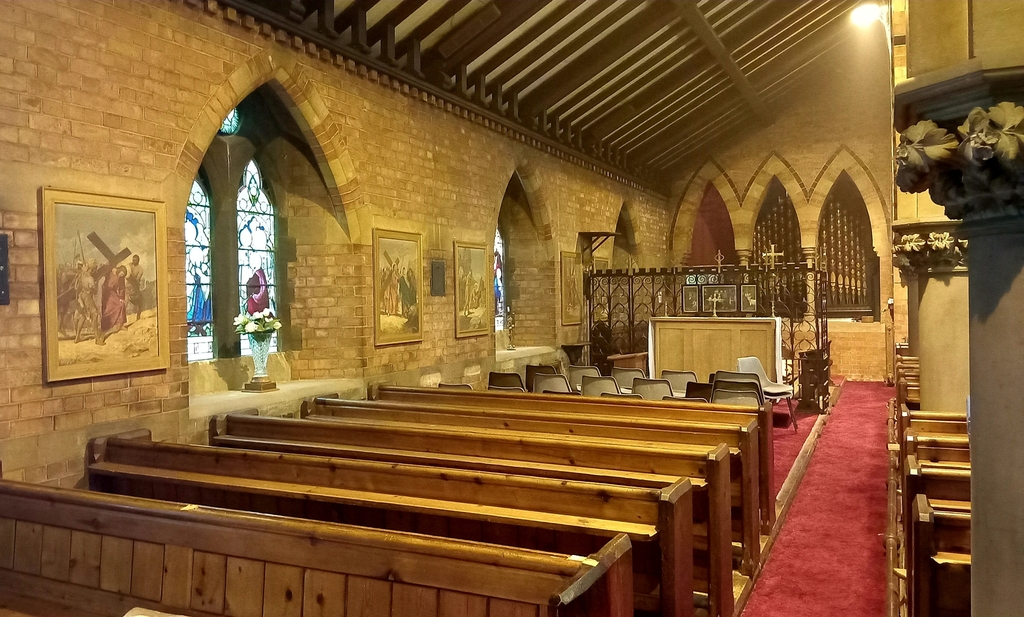
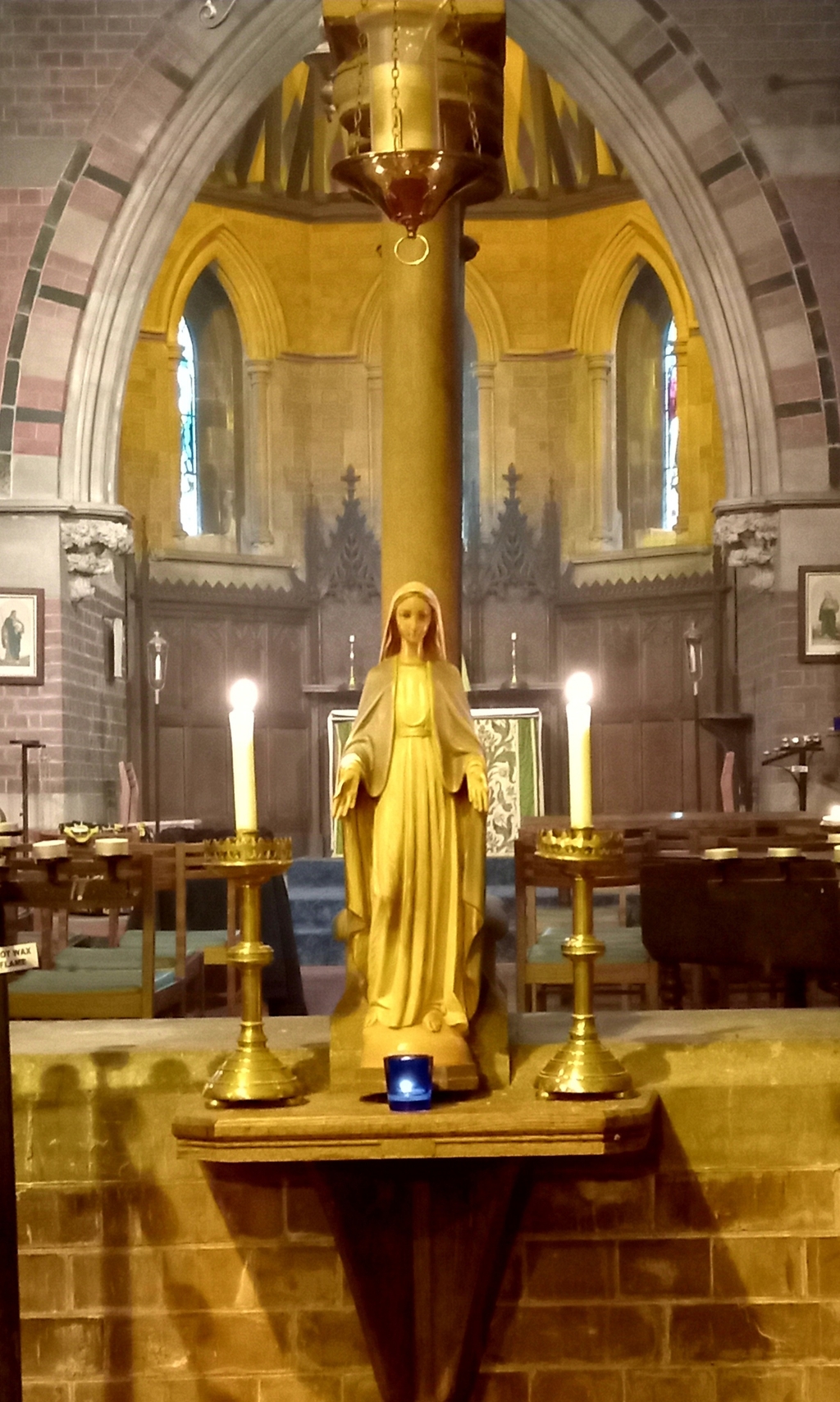
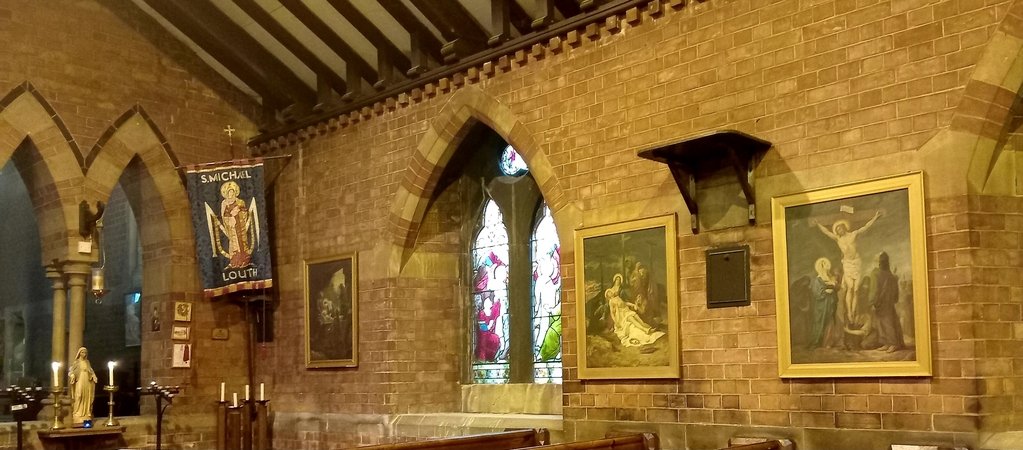
During your time in the church, you will observe various statues of the Blessed Virgin Mary (with the Christ Child), St. Michael and others. The Fourteen Stations of the Cross (see note 1 below), are also featured within the building, and are located on the walls of the north and south aisles. At each station, worshippers are able to pray and reflect on each moment of Jesus’ journey to crucifixion, especially during the season of Lent, Holy Week and Good Friday.
Note 1 – The 14 Stations of The Cross…
1) Jesus is condemned to death, 2) Jesus takes up His cross, 3) Jesus falls the first time, 4) Jesus meets His mother, 5) Simon of Cyrene helps Jesus carry the cross, 6) Veronica wipes Jesus' face, 7) Jesus falls a second time, 8) Jesus meets the women of Jerusalem, 9) Jesus falls a third time, 10) Jesus is stripped of His garments, 11) Jesus is nailed to the cross, 12) Jesus dies on the cross, 13) Jesus is taken down from the cross, and 14) Jesus is laid in the tomb.