

About Us
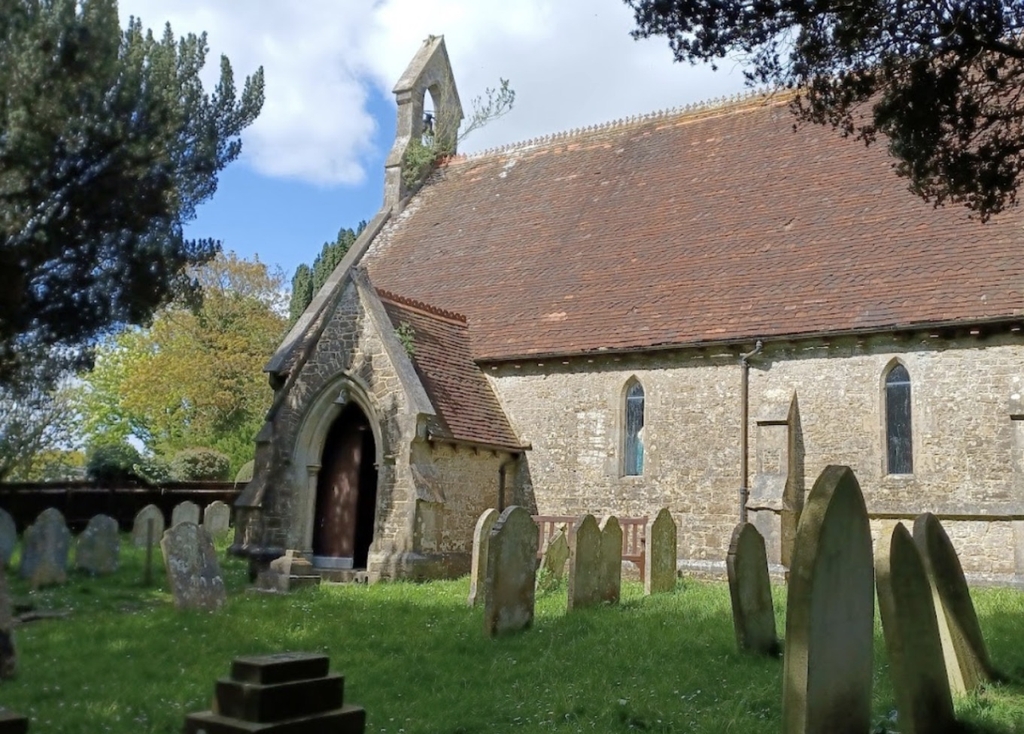
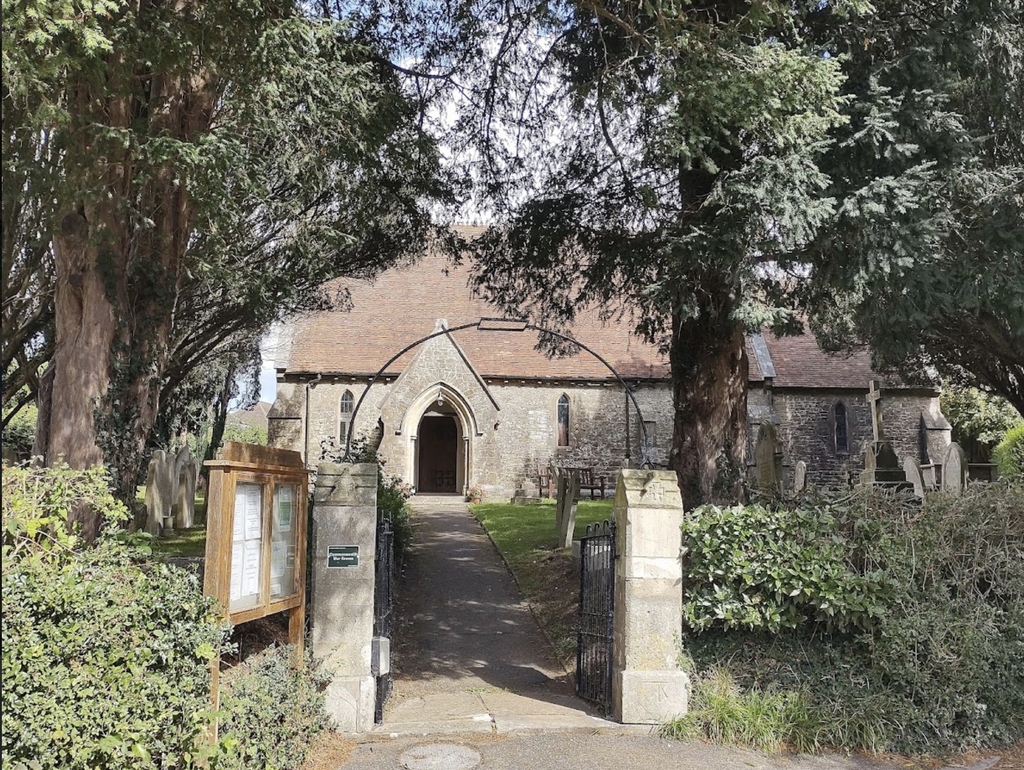
Built in 1852 by local architect Thomas Hellyer, St. Peter's Church in Havenstreet, Isle of Wight, was consecrated for public worship and is a Grade II listed building. Its ecclesiastical parish was officially formed in 1853 from parts of Arreton and Newchurch. The site was donated by Thomas Willis Fleming.Today, the church retains its position as a central gathering space in the community. Many strands of village life in Havenstreet – school, post office, shops – have now gone, but our parish church of St. Peter remains. It is a place where local people have worshipped, prayed, been baptised, married and buried since it was built in 1852. It holds and keeps alive the social memory of the parish.
The church was constructed using rough local limestone rubble, stone dressings, and steeply pitched red tile roofs in the 'early English' style. Key architectural and historical notes include:
- Construction: Built by a local builder known as Mr. Damp. It features a chancel, nave, south porch, and a bell turret containing a single bell cast in 1852.
- Rood Screen: An intricate open-tracery rood screen was added as a memorial to the Reverend H.N. Thompson, who served as vicar from 1897 to 1909.
- War Memorials: The churchyard contains Commonwealth War Graves honoring two soldiers from the Hampshire Regiment who died during the First World War.
We have a Eucharist service every fourth Sunday and, on the first Sunday of the month we have Evensong. At Christmas, we have a carols by candlelight services and the church is full of people and looks beautiful with all the candles. The acoustic in the church is lovely and enhances the music.
We have weddings, baptisms and funerals. All are very welcome and we would be happy to discuss this with you to arrange a suitable time.
Helping Nature at St. Peter's
If you visit the churchyard at the beginning of the year you will discover primroses, daffodils, bluebells and a whole host of snowdrops. Next to show their faces are the ox-eyed daisies, cow parsley, buttercups, daisies, foxgloves, dock, Aaron's rod, nettles, comfrey, evening primrose and lady's smock.
The churchyard is cut as late as possible usually at the beginning of June so that the flowers have time to set and drop seed. There are areas in the churchyard that are left wild longer to allow the wildlife to feed and shelter including ground nesting bees. To the rear of the church along the fence line wild plum trees have been planted also hazel and hawthorn which will provide the birds with fruit and berries. The large beech tree in front of the church already supplies nuts for the red squirrels, mice and corvids.
A large compost heap provides a home for slow worms, beetles and hopefully hedgehogs. There are also plans to create a log pile or two with branches from a recently cut tree which will be a place for a host of insects to live. Nest boxes have been put on trees with more planned.
Birds, squirrels, butterflies, moths, bees, bats and a whole variety of insects benefit from the trees and plants the churchyard provides. God's creatures sharing space with those now in His care.