As I write this, I can hear the combine cutting the wheat field next to the Rectory. When I first saw this place in March, the fields around it looked very different: green shoots under dull skies, not heavy with gold. Having grown up among the arable farms of North Norfolk, I know this change well. But after four years in the centre of Oxford, it has been good to be so vividly reminded of the turning seasons.
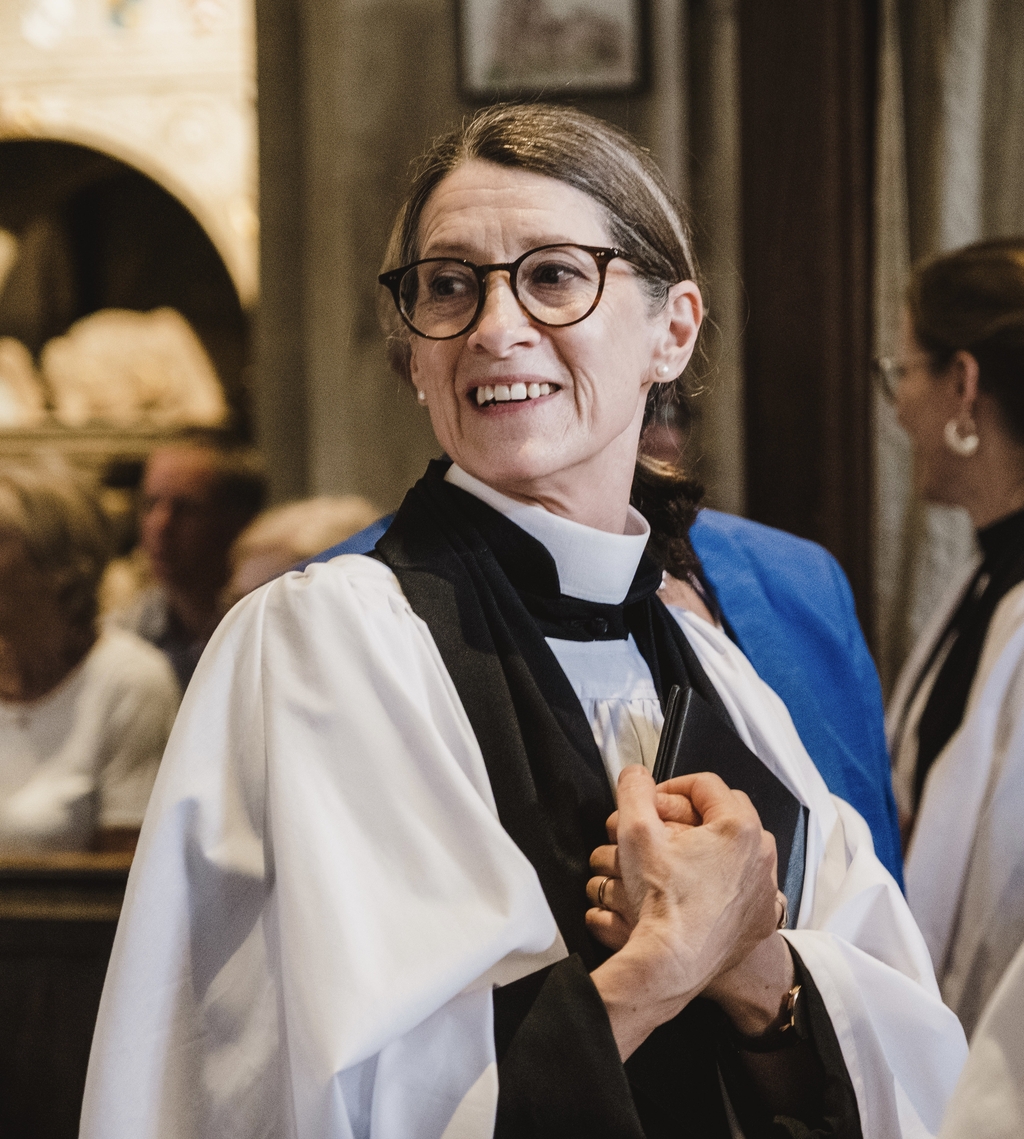
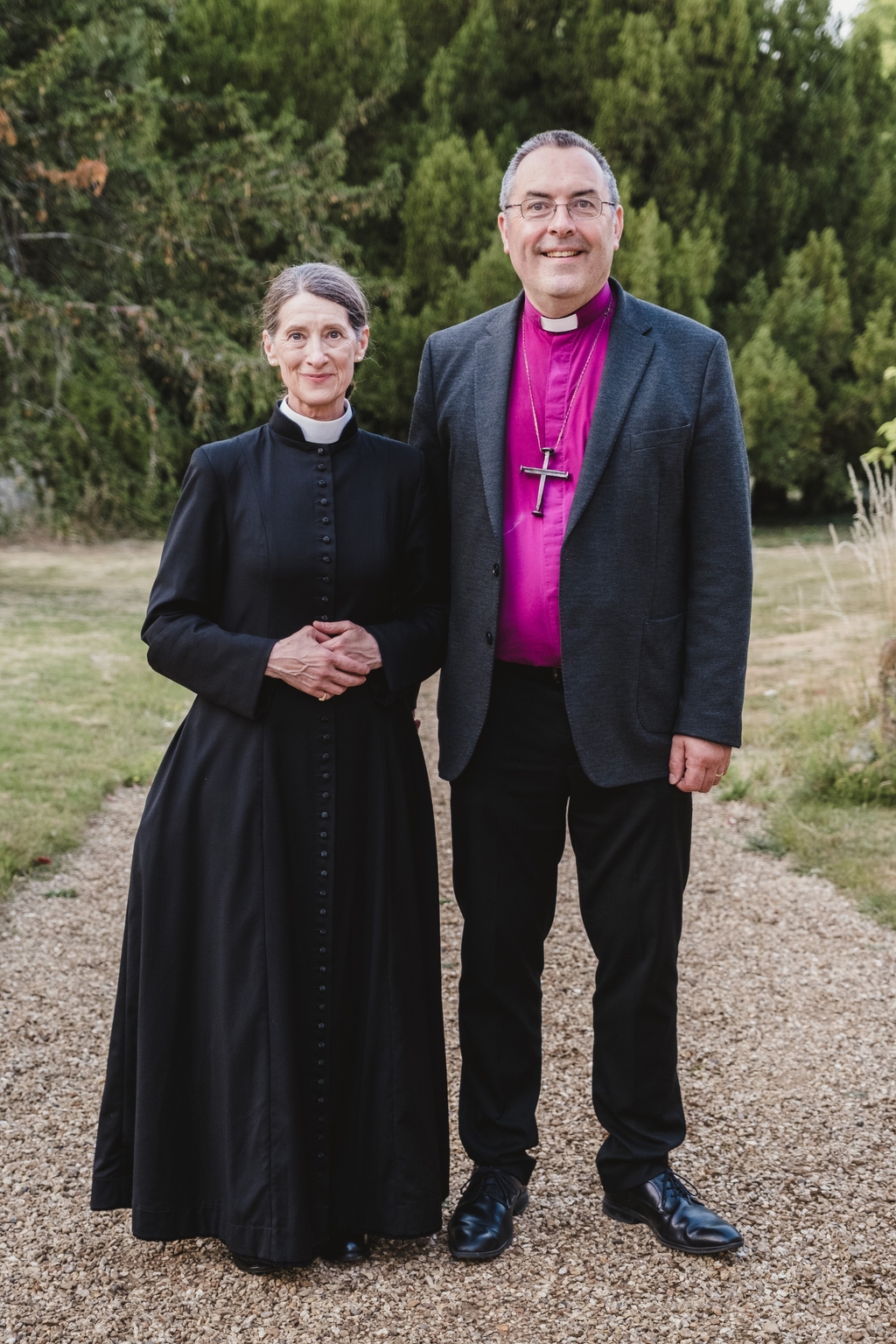
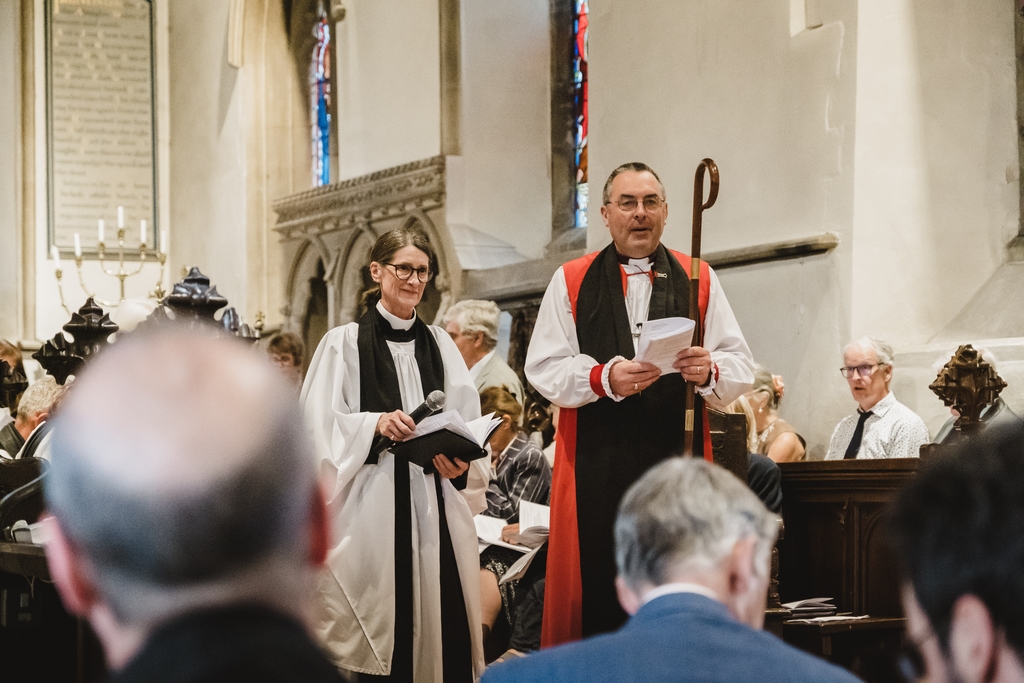
It is with great delight that I join the Benefice of Great Milton with Little Milton and Great Haseley as your Rector. One of the joys is learning to read the year the way this place reads it, not by the calendar but by the land. Walking through the parishes, I've watched the crops turn and the fields come in one by one, with swallows working low over the stubble. None of this happens to the clocks on our church towers. It happens by an older reckoning, one farmers have followed for centuries, and one the Church's calendar has always quietly kept in step with.
There's something steadying in this, especially now, when so much of life pulls us towards the instant and immediate. The farming year refuses to be rushed. Corn ripens when it ripens; hay is cut when the weather allows, not a day before. It asks for our patience and gives back a sense that we belong to something larger and slower than our own diaries. Something here long before us and carrying on long after.
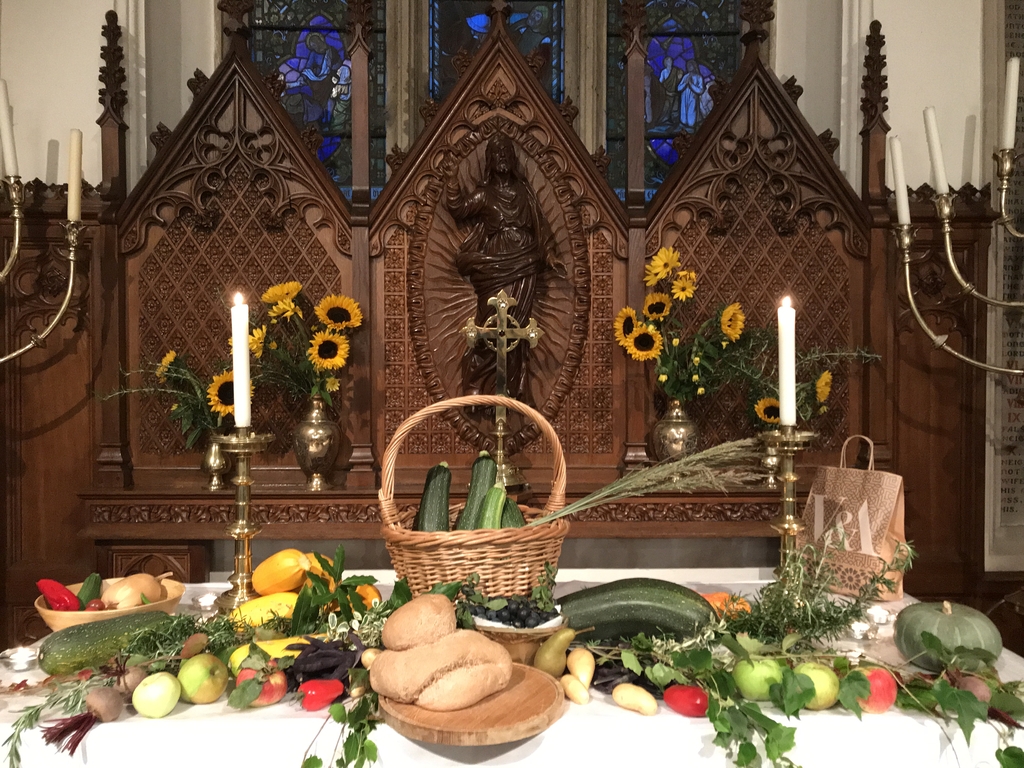
This is close to what the Church means by time, too: not just hours to be filled, but seasons to be lived through faithfully, sowing and reaping, waiting and rejoicing, each in its turn. Christ himself reached for the harvest repeatedly to explain God's work in the world: seed scattered on good ground and poor, wheat and weeds growing side by side until the reapers come, a harvest plentiful even when labourers are few. Our fields, ripening towards August, are doing, in a small, local way, what the Gospels use as one of their oldest pictures of the world itself: ripening slowly, unevenly, towards a gathering-in.
Scripture reminds us that life unfolds in seasons: some joyful, some difficult, each with its own purpose. Ecclesiastes 3:1-8 tells us that God has appointed a time for every human experience: a time to weep and a time to laugh, a time to plant and a time to harvest, a time for war and a time for peace. To trust God is to accept the season we are in, resting in the assurance that He is present within it, even when we cannot yet see its outcome.
As the fields around our parishes finish their harvest, it's worth pausing to notice which time you're keeping: the clock's, the land's, or the Lord's. All three matter. But only the last two were here before each parish had a church tower - and only one of them will still be gathering in a harvest long after each clock has stopped. I look forward to being among you as the seasons turn. If you see me out and about, please stop and introduce yourself. Whatever this season brings - work or holiday - every blessing.