About Us
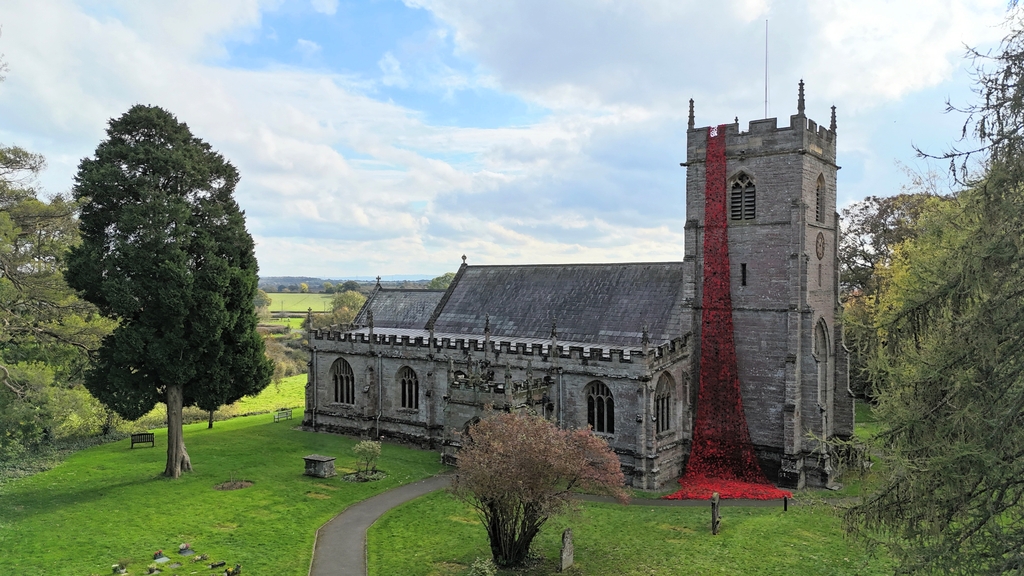
St Peter’s Church, Inkberrow is the largest of the four churches in the Benefice of Inkberrow with Cookhill and Kington with Dormston.
The earliest recorded version of the village is Intanbeorgas, "Inta's mounds or barrows", from 789. By the 15th century, the spelling may have become Ingtebarwe; nearby villages also mentioned include Church Lench, Abbots Morton and Arrow. By the 16th century, it was known as Inkebarrow.
The area was within Feckenham Forest, a royal forest with harsh forest law punishments.
Cookhill Priory stood 3 mi (4.8 km) to the east, at the edge of the county.
In 2006 Inkberrow was awarded the title of Worcestershire Village of the Year and won the Building Community Life section of the competition.
Inkberrow was identified as a potential site for a new town in the 1960s, but this plan was not carried out. More houses were added to the village in 2013 in response to a rising need for accommodation.
Inkberrow also comprises the hamlets of Little Inkberrow, Holberrow Green and Morton-under-Hill. The village has spectacular views to Bredon Hill and the Malvern Hills, and on clear days to the Black Mountains in Wales, making it an ideal location for trips to the Cotswold’s, Birmingham, Wales, and the West Country.
It is rich in flora and fauna, and the landscape is ideal for walking on the many footpaths around the village, cycling along the lanes, rambling, or horse-riding on the numerous bridleways.