
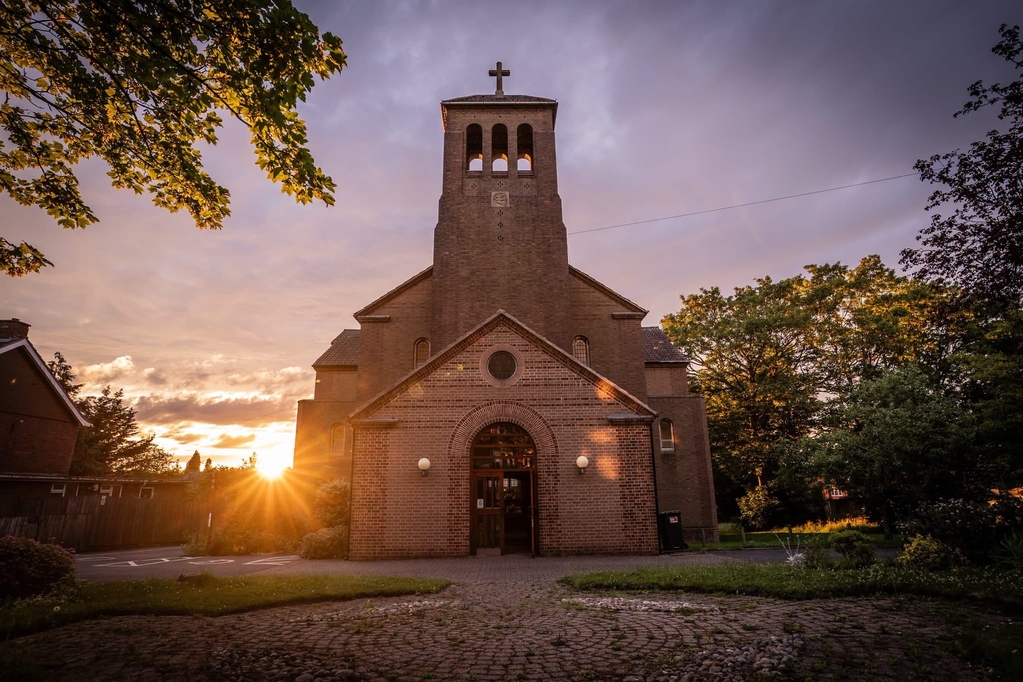
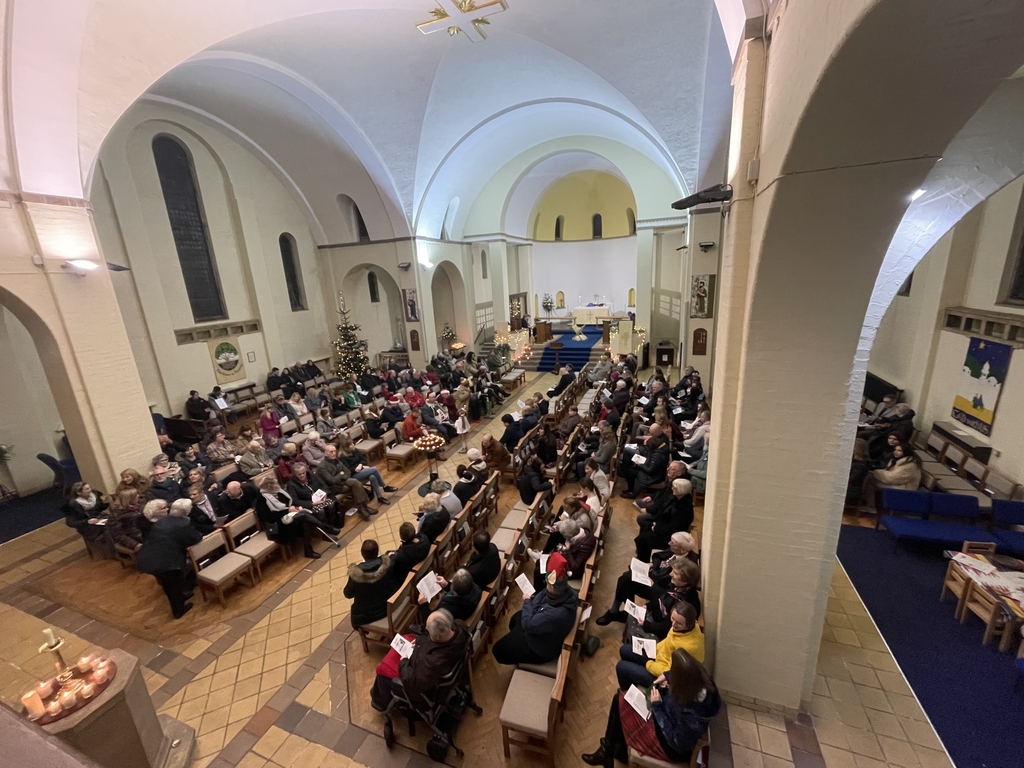
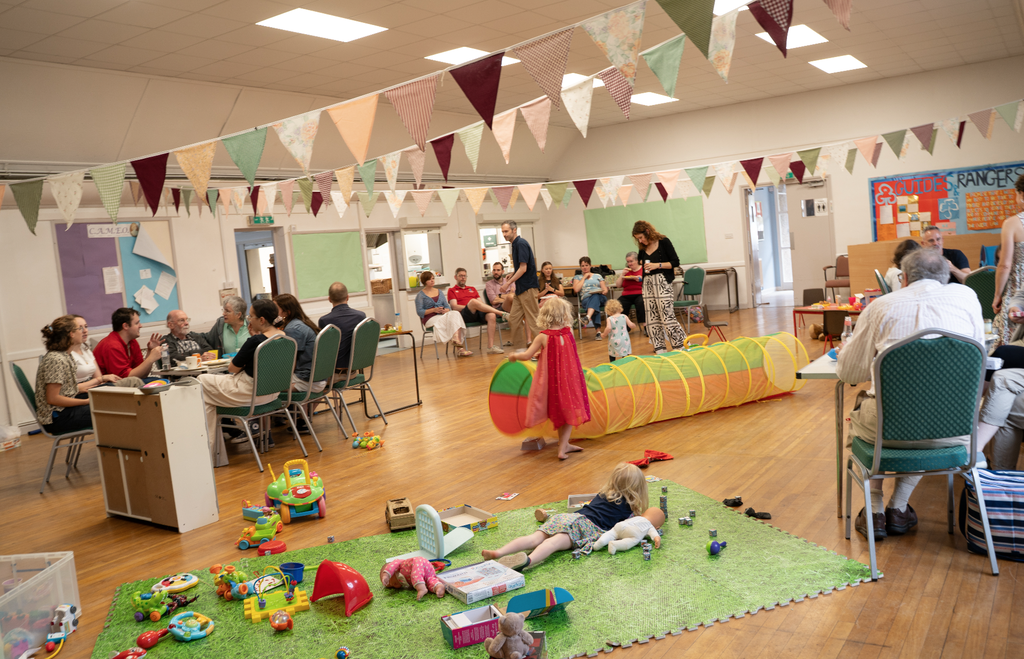



More than 40 people from the local and surrounding area, including people who travelled from Halesowen and Stourbridge, came together at St Hilda’s for a free screening of The People’s Emergency Briefing.
The evening offered an opportunity to hear some of the latest evidence about the climate and nature emergency and to talk, listen, share ideas and reflect on what we had seen.
People spoke about frustration, anger, embarrassment and even a sense of powerlessness. But alongside these there was a sense of hope.
The People’s Emergency Briefing is a 50-minute film from the National Emergency Briefing, created to bring clear, accessible information about the climate and nature crisis to communities across the UK.
The film grew out of a major briefing held in Westminster in 2025, where leading experts presented the latest evidence to politicians and leaders from across society. It explores what climate and nature breakdown could mean for everyday life in the UK, including our health, food systems, economy, security and cost of living.
But the film isn’t simply about describing the scale of the problem. It also looks at the opportunities that come from responding urgently, such as the potential benefits of moving away from fossil fuels and towards cleaner, renewable energy.
The aim of bringing the film into local communities is to start conversations:
- What does this mean for us?
- What can we do?
- And how can we work together?
That question of how we respond was central to the discussion after the film. One person described the situation as a jigsaw:
“It is clear there is not one answer or solution. It feels like a jigsaw with many pieces. How do we coordinate a group response to have a bigger impact? There’s only so much we can do as individuals.”
One person reflected that they felt frustrated that they hadn’t realised how serious the situation had become, and frustrated that reliable information and facts can sometimes be so difficult to find. They added:
“I feel embarrassed that even though we’ve been warned for decades so little action has happened.”
But then went on to say they now felt empowered.
Recognising the seriousness of the challenge doesn’t have to mean giving up. Understanding the situation can be the first step towards deciding what we can do about it.
There was also discussion about the wider economic and political forces that can make change feel difficult.
One attendee spoke about living in a world where wealthy and powerful interests can be keen to maintain the status quo. They described feelings of anger and frustration about the pursuit of ever-increasing consumption and profit on a finite planet.
At the same time, they expressed gratitude for living in an area where there are other people who are concerned and willing to engage.
The conversation also explored how climate change connects with other issues facing our communities.
One person pointed out that for some vulnerable people, climate change may not be high on their list of immediate priorities. When people are struggling with day-to-day life, messages that encourage them to blame minorities or other groups for society’s problems can be powerful.
The enormous influence of social media was also discussed, particularly the difficulty of countering misinformation and divisive messages.
Perhaps one of the most encouraging reflections came from a young person who described having had a general sense of how bleak future might be, but said that the film had helped them develop a clearer vision and given them hope.
They also reflected that many of their friends simply aren’t aware of the issues we face. For them, a film like this is a powerful way of communicating the reality of the situation and so were keen to see the film shown in their school because it is important that it reaches as many people as possible.
What next?
The evening didn’t produce one grand solution. Instead, it produced something perhaps more useful: a room full of people asking questions together.
The National Emergency Briefing encourages screenings to become a starting point for conversations and action. Our evening showed why those conversations are so important.
There is clearly a lot to do and the challenge is to stop thinking of ourselves as isolated individuals trying to make a difference and start thinking about how all the pieces of the jigsaw might fit together.
- How can we coordinate our efforts to have a bigger impact?
- How can we make sure reliable information reaches more people?
- How can we build hope without ignoring the seriousness of the situation?
And, ultimately:
- What could we achieve if we worked together?
Thank you to everyone who came to the screening and to everyone who stayed to share their thoughts and ideas. One of the Bearwood Ward councillors, Hilary Grandey also attended and said that she’d love people to email her with their thoughts and frustrations. She said it’s much easier to lobby the right people if she can show that residents care about these issues.
The conversation has started. Now we need to see where it can lead!