


The Revd Writes…
“Yea, though I walk in death’s dark vale, yet will I fear no ill...”
The above words from the hymn ‘The Lord’s my shepherd’ will be familiar to many, not least for it being sung at funerals. The words and music offer spiritual comfort and reassurance at a time of painful loss and grief. Recent trends however might be parodied in a new translation, “Yea, though I walk in death’s dark vale, yet will I fear no bill…” The average cost for a traditional funeral range between £4000 - £6000. For many people this is unaffordable and is why 25% of families now opt for a direct cremation or ‘unattended funeral’ at a much lesser cost of around £1 000.
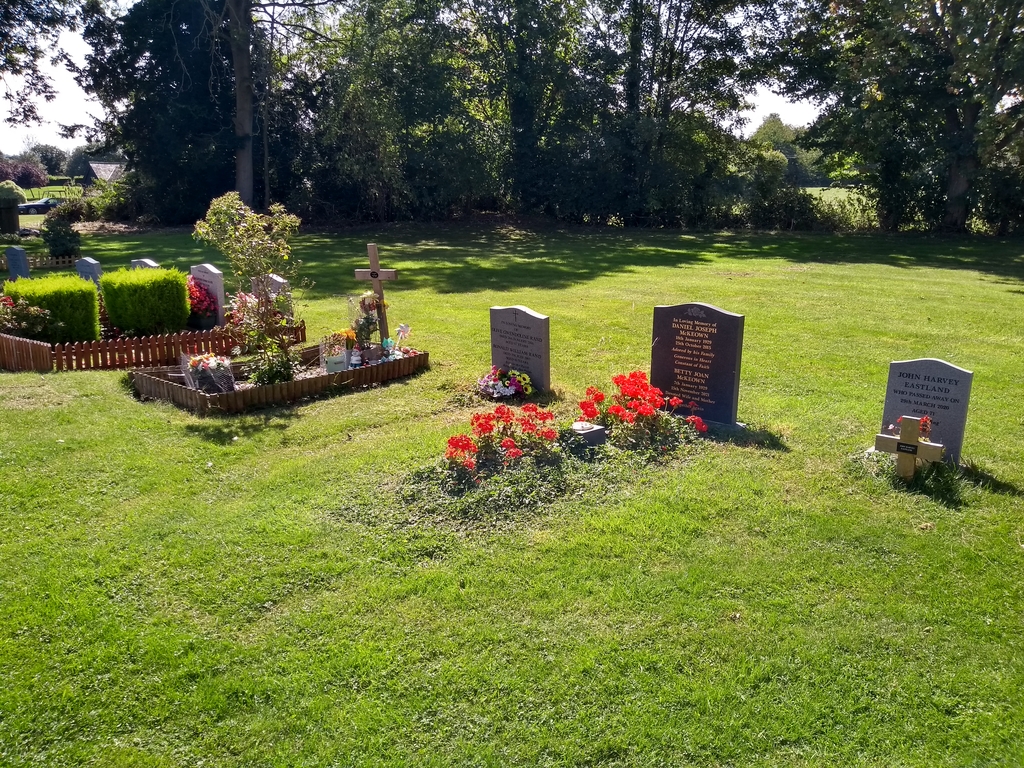
Given the financial implications I suspect this new trend will grow with fewer attending a formal rite of passage. Yet there is something to be said for being given the opportunity to stand alongside a loved one’s coffin, for a community to bond and embrace in the face of death and in acknowledging the reality of mortality, to mark through ritual a collective space for mourning. It is good for the soul, and it is good for mental health.
Direct cremation has a financial benefit for those who are often left with having to pick-up the expense of funeral fees. Yet I wonder how much this saving is more to do with a desire to avoid the question of death altogether. There is of course nothing to stop friends and family coming together at a future date to celebrate and remember the life of a loved one. In the absence of an ‘attended funeral’ (a new phrase?) this is to be encouraged but I increasingly bump into people in the wider community who feel distressed that they were not given the opportunity to express their condolences and feelings of sadness - an emotional cost not evidenced in an invoice.
For those who have had no opportunity to attend a funeral and who, on reflection, regret not having done so, the church offers the option of a memorial service. Such a service offers an opportunity for everyone to come together, to share and acknowledge the painful loss that death alone brings to the surface of our being, and then to celebrate all the good things that was offered in a life more than worth treasuring. Such a rite of passage leaves no gaps, gently holds whilst at the same time journeying through to that moment when one can finally say, ‘I have paid my respects. May they rest in peace.’
It is good for the soul. And good for mental health. “Yea, though we travel through the valley of the shadow of death, yet will we fear no ill…”
God Bless
Mark