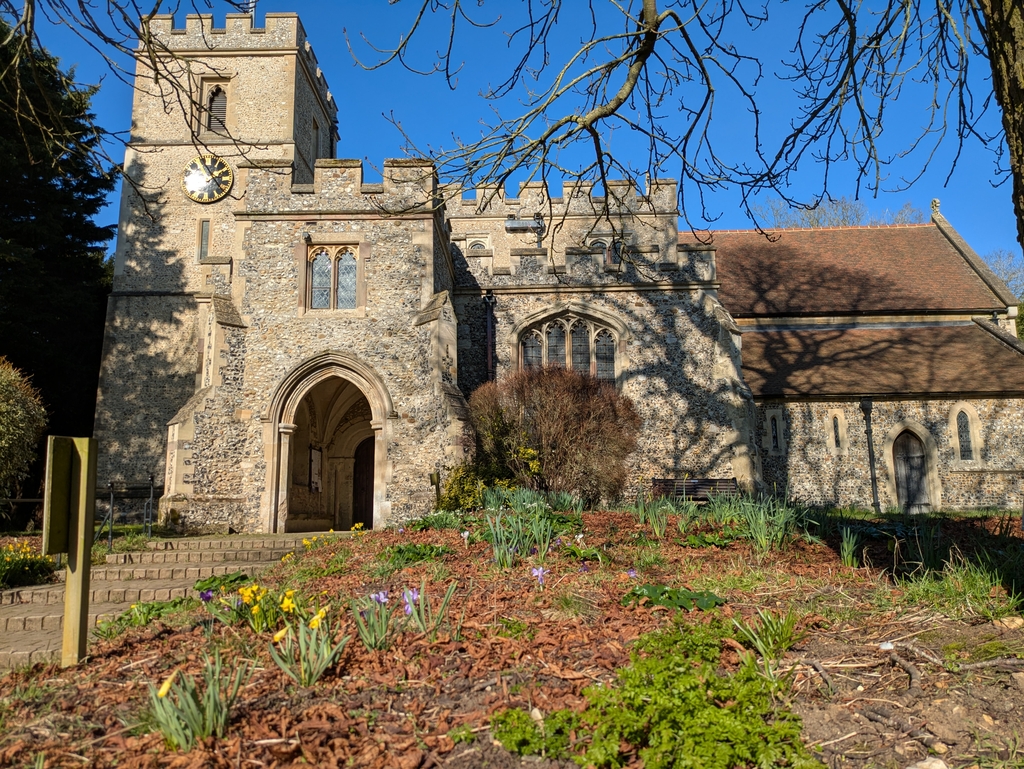
The Revd Writes… Do you take your shoes off at the front door? I’m not very good at this. It is such a faff if you are going in and out all the time. Whoever invented plastic back-door shoes, in my book, deserves a medal. You can just slip them on and off. I always feel a bit uncomfortable when you visit someone’s home and you ask if they want you to take your shoes off and they say ‘yes, please’. It’s a bit ungainly, struggling to get your shoes off and then bending down and struggling to get them on again – sometimes in a tiny porch area – before you leave. If I’m honest, I’m always a bit relieved when someone says, ‘It doesn’t matter. Keep your shoes on.’ You then notice everyone else wandering around in their socks or slippers. As luck would have it, you just happen to have the tiniest bit of mud on your shoe… You flinch with embarrassment when you realise that the proud homeowner has noticed it too! It all becomes a bit agonised and stressful. In a previous parish I remember visiting a parishioner who was Māori – from New Zealand. He clearly looked offended when I asked the question. His English wife had to explain to me that removing your shoes before entering the home had spiritual significance. It was a mark of respect – not just about not treading dirt into the carpet. Removing your shoes was also about acknowledging that this was a special place, a holy place, a place in which a family lived and loved and nurtured each other. Taking off your shoes was a given. Without question. What it is to be respectful of a sacred place. The Church of England has recently produced some new worship material that is to be used for the Blessing of a House; a series of prayers including for the blessing of the land on which the house is built, prayers for each room and of course, for the table. The blessing of a home celebrates the sacredness of family life. It is a reminder of the sacredness of the space in which people live within the intimacy of close relationships, and that, above all, a house is not just a building of bricks and mortar but a shared space in which to encounter God in each other. The Blessing concludes with the following words: “Lord, abide with all who dwell here. Be their shelter when they are at home, their companion when they are away, and their welcome guest when they return; and let your blessing come down upon them, now and for ever.” If you would like your home blessed, do please get in touch. And don’t hesitate to tell me to take off my shoes… God Bless Mark
CHURCH OF ENGLANDSt Lawrence, Ardeley; St Peter’s, Benington; St John the Baptist, Cottered; Holy Trinity, Throcking and St Mary’s, WalkernChurch Services: June 2026Sunday 7th Trinity 19.30am Morning Worship St Lawrence, Ardeley9.30am Family Communion St Mary’s, Walkern11.00am Holy Communion St Peter’s, Benington11.00am Morning Worship St John the Baptist, CotteredSunday 14th Trinity 29.30am Holy Communion St Lawrence, Ardeley9.30am Morning Prayer St Mary’s, Walkern11.00am Holy Communion St John the Baptist, CotteredSunday 21st Trinity 39.30am Holy Communion St Lawrence, Ardeley9.30am Holy Communion St Mary’s, Walkern11.00am Holy Communion BCP St Peter’s, Benington11.00am Morning Worship St John the Baptist, CotteredSunday 28th Trinity 49.30am Family Service St Lawrence, Ardeley9.30am Morning Prayer St Mary’s, Walkern11.00am Flower Festival Patronal St Peter’s, BeningtonService11.00am Morning Prayer Holy Trinity, Throckingwww.ubbw.
The Revd Writes… The 28th of May is the centenary anniversary of the death of Sir James Cantlie (1851 -1926). He is undoubtedly one of the superheroes of a previous generation who, as a surgeon and physician, dedicated his life to public service. Born in Mortlach, Banffshire in Northeast Scotland, he often remembered as a child attending church and noticing the squint (small window) through which lepers of earlier centuries would watch the service from outside, the congregation being fearful of contamination. He carried this pain of exclusion with him all his life. It was to be a motivating influence in his later work with lepers in Hong Kong and the Canton colonies. He trained at Charing Cross hospital and became a Fellow of the Royal College of surgeons in 1877. After much heart-searching, he resigned from his post at Charing Cross to go to Hong Kong where he founded the Hong Kong College of Medicine for Chinese. Up until this point the practice of western medicine had been the jealously guarded prerogative of Europeans; Cantlie was at the forefront of breaking this taboo. His most famous student was a young Chinese, Sun Yat-sen. Sun would go on to become the first president of modern-day China. He was saved from certain death when kidnapped in London by the Chinese Legation because of Cantlie personally organising a media campaign to secure his release. They were to remain friends for life. The Hong Kong College of Medicine would later transform into becoming Hong Kong University. Two years after returning to England, in 1898 he started the Journal for Tropical Medicine and went on to found the London School of Tropical Medicine – now one of the world’s leading public health universities. Arguably, his greatest work was in promoting what we now call First Aid. He wrote the first manual for St John Ambulance, First Aid to the Injured, which became a crucial reference when dealing with those injured during World War One. The work brought together for the first time up-to-date instruction on bandages, anatomy, treatment of wounds and how to move the injured, amongst much else. What became known as the ‘ambulance movement’ owes much to him. It wouldn’t be too far-fetched to describe him as the first modern-day paramedic. He often used a farm cart to demonstrate how to load and unload stretchers when carrying the injured from the front. He married Mabel Brown in 1884, and they went on to have four sons, all of whom went on to have distinguished careers of their own. ‘The Kennels’ in Cottered became the Cantlie’s country home, a place to retreat to at weekends, but also a place of constant fun, intellectual rigour and hospitality. Cottered Church is hosting a display throughout the year commemorating the huge achievements of Dr Cantlie. The Church is open each day. Pop in and be inspired! God Bless Mark
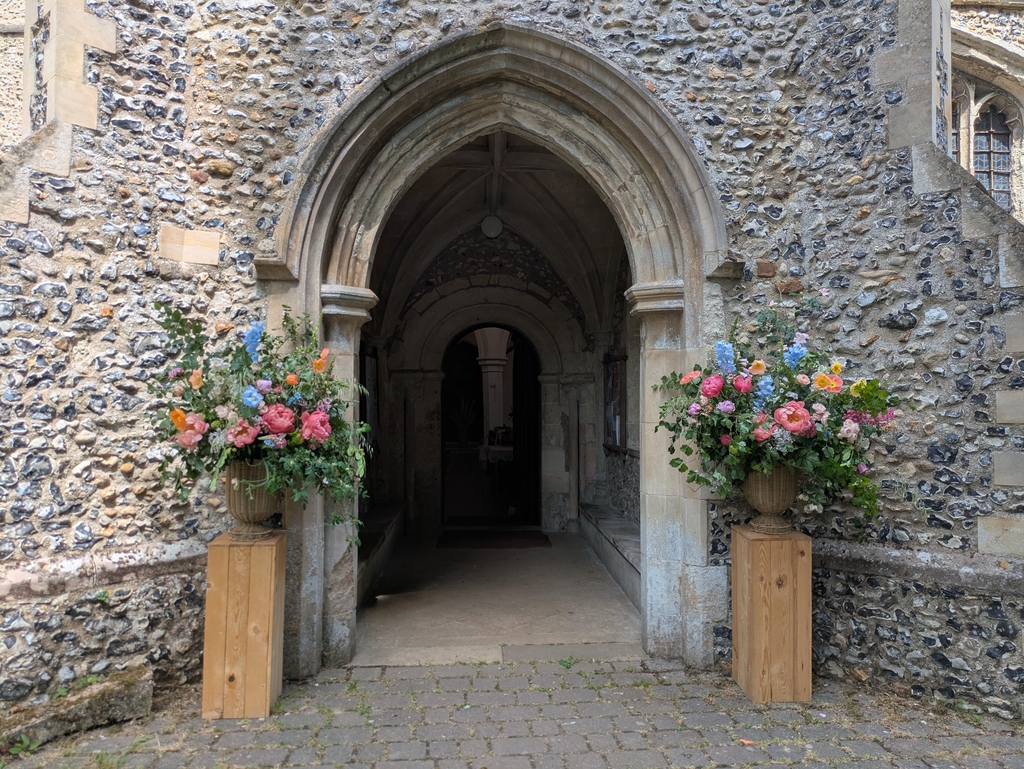
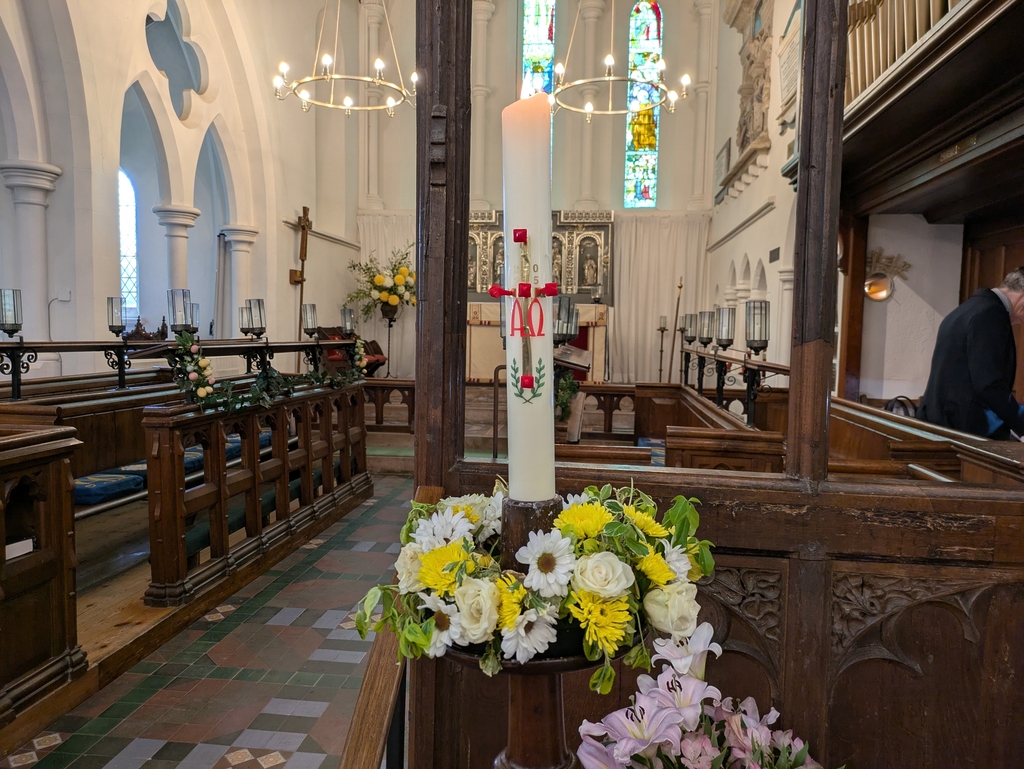
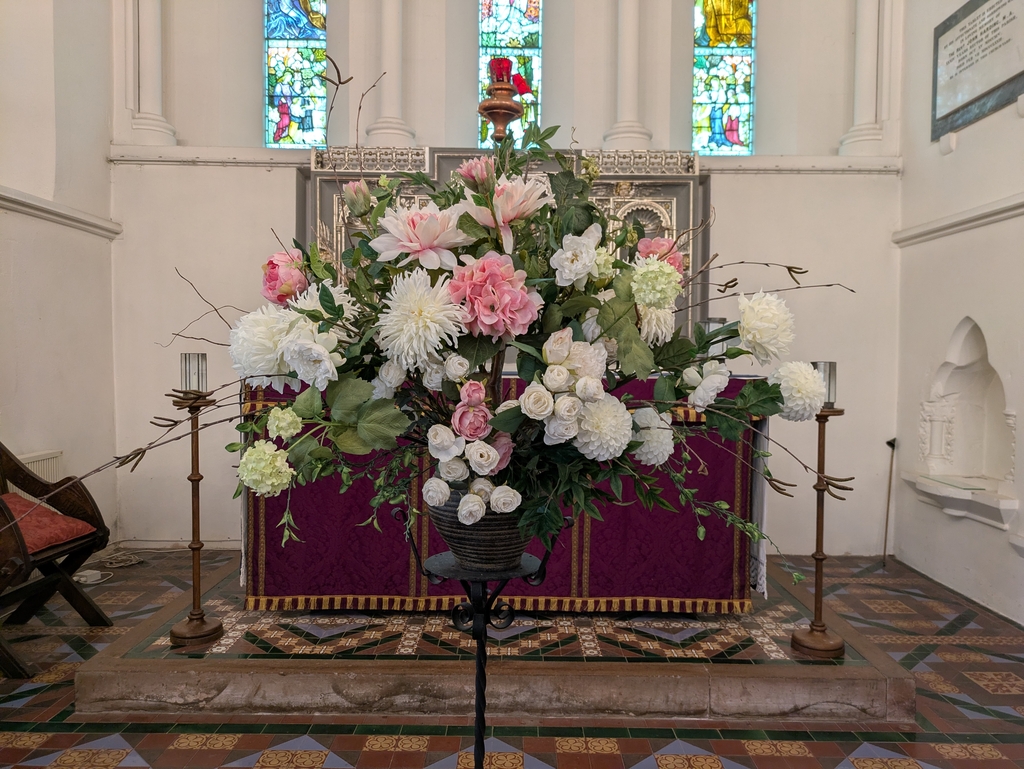
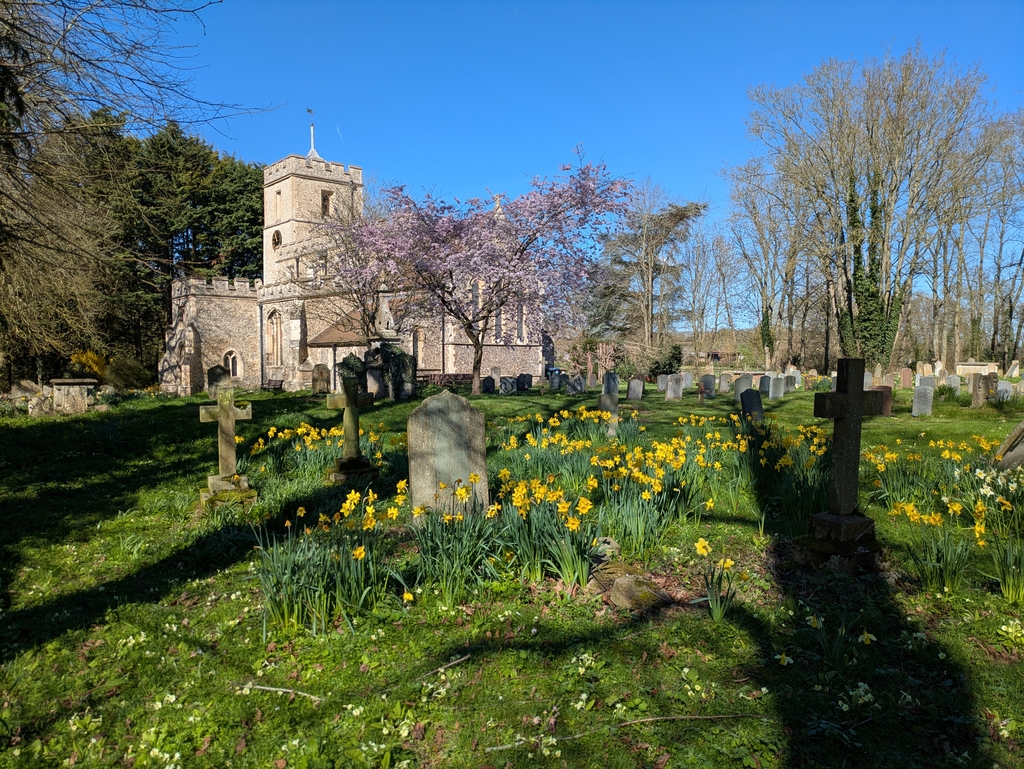
The Revd Writes… Last year saw the publication of Churches of Hertfordshire by David Gouldstone. This is a must have guide for anyone interested in exploring the rich heritage that our parish churches hold within them. The book is no detailed architectural guide but rather sets out to whet the appetite of anyone willing to spend a couple of hours immersing themselves in discovering the stories portrayed in ancient stone and monument. The author picks out forty-three churches from across the county with which to encourage the intrepid pilgrim. “The county’s churches are similar in that they are often overlooked and underappreciated, yet they afford many pleasures for anyone who takes the time to look.” Of the forty-three churches, fifteen are within the Deanery of Buntingford and four of the churches mentioned are within our own benefice, only Cottered has been excluded. This says much about the special qualities of the country churches in North and East Hertfordshire. David Gouldstone’s style of writing might be described as relaxed; whilst well-written it has a cheeky sense of fun. “My first visit to a Hertfordshire church was in 1957… I paid little attention to the tracery and tympana… perhaps forgivably in the circumstances, the occasion being my baptism.” His tongue-in-cheek approach translates into the mini guides he presents for each church - focusing on one or two features rather than a detailed history. Commenting on the thirteenth-century monument to the knight, William de Lanvellei in St Mary’s, Walkern he writes, “… grasping the hilt of his long sword (which extends down to his feet), apparently in the act of drawing it with hostile intent. It is the stuff of nightmares.” Describing the different designs on the font at Holy Trinity, Throcking he pens the following, “One flower has a face with a gaping mouth and, apparently, a protruding tongue, like a louche ancestor of Little Weed from the Flowerpot Men.” It is a delight to read. What David Gouldstone can’t capture is the way in which all our churches will be dressed to celebrate the feast of Easter. The sombre purple of Lent gives way to the white and gold for vestments and altar cloths. Beautifully crafted flower arrangements will announce the season of resurrection; a reminder that in these troubled times we continue to believe that life is stronger than death. Music will be played and sung, and prayers and worship will be offered in thanksgiving to God for the gift of love manifested in the example of Jesus shared amongst us. And church doors will be open for all to enter the sacred space that has sheltered and given sanctuary to generations who have gone before. You are more than welcome to pop in! Happy Easter God Bless Mark Churches of Hertfordshire by David Goldstone is published by Amberley publishing ISBN 9781398119291