

Facilities and features
Accessibility
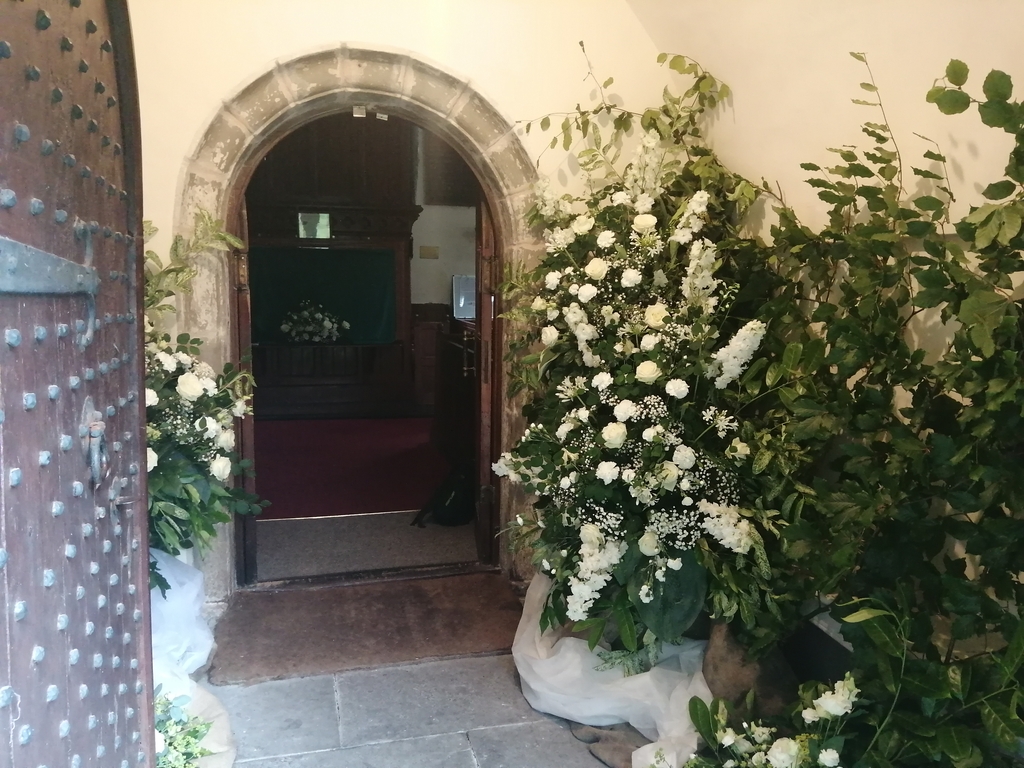
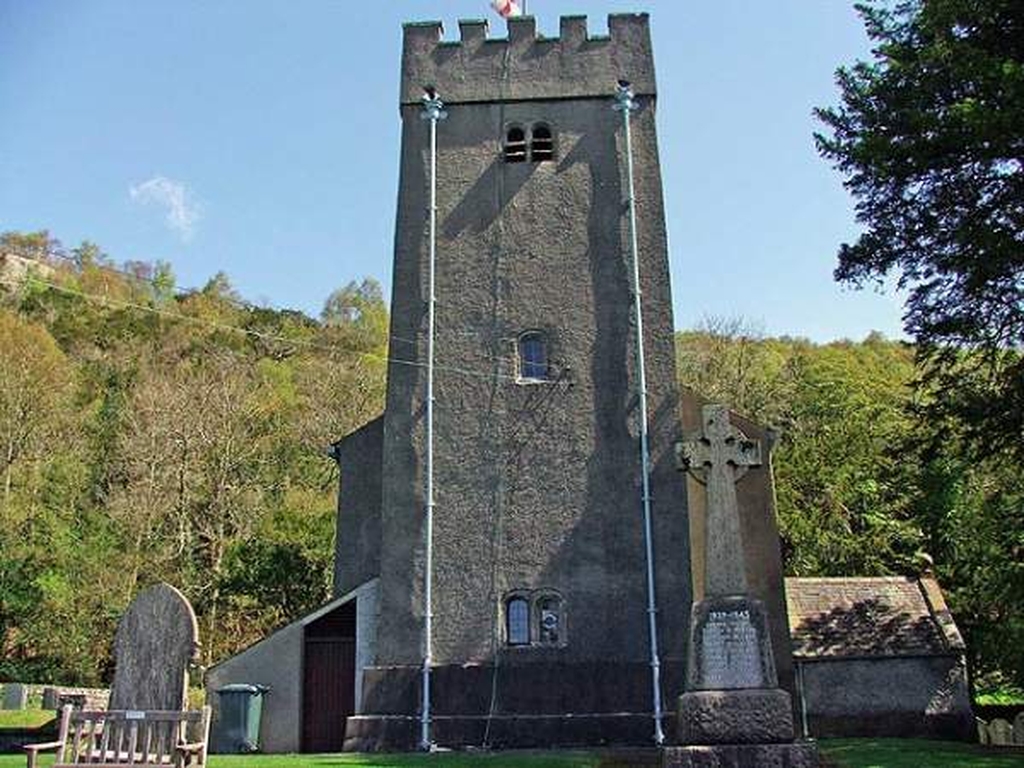
Flat access into the church, parking close to the church is available.
Outdoor toilet, flat path and no step.
Hearing loop facilities are available.
Parking is on the quiet village road opposite the primary school. There is easy, flat flat access to church.
The nearest defibrillator is located at Halecate Yard, LA11 6RT. In the event of an emergency call 999.
Our Building
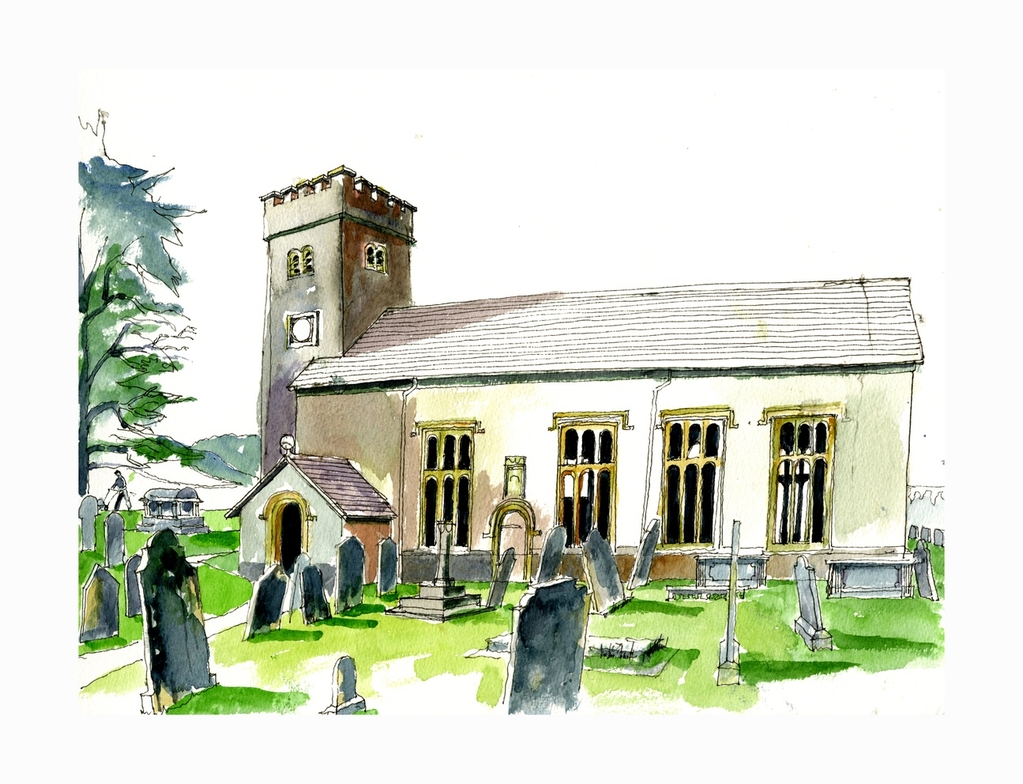
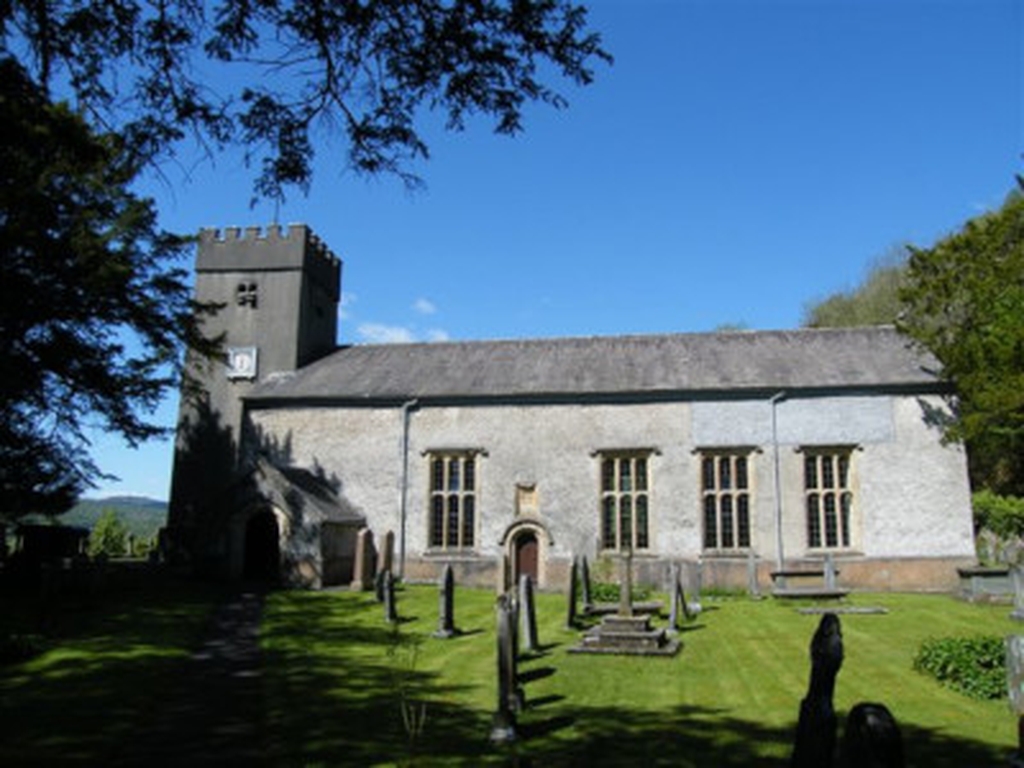
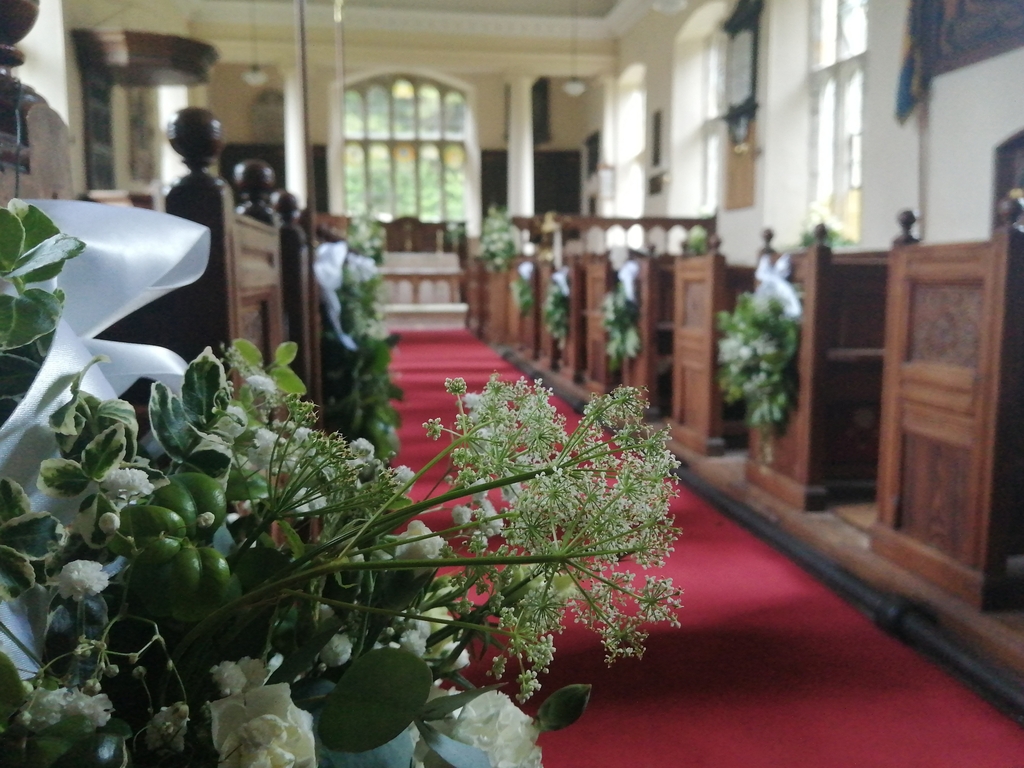
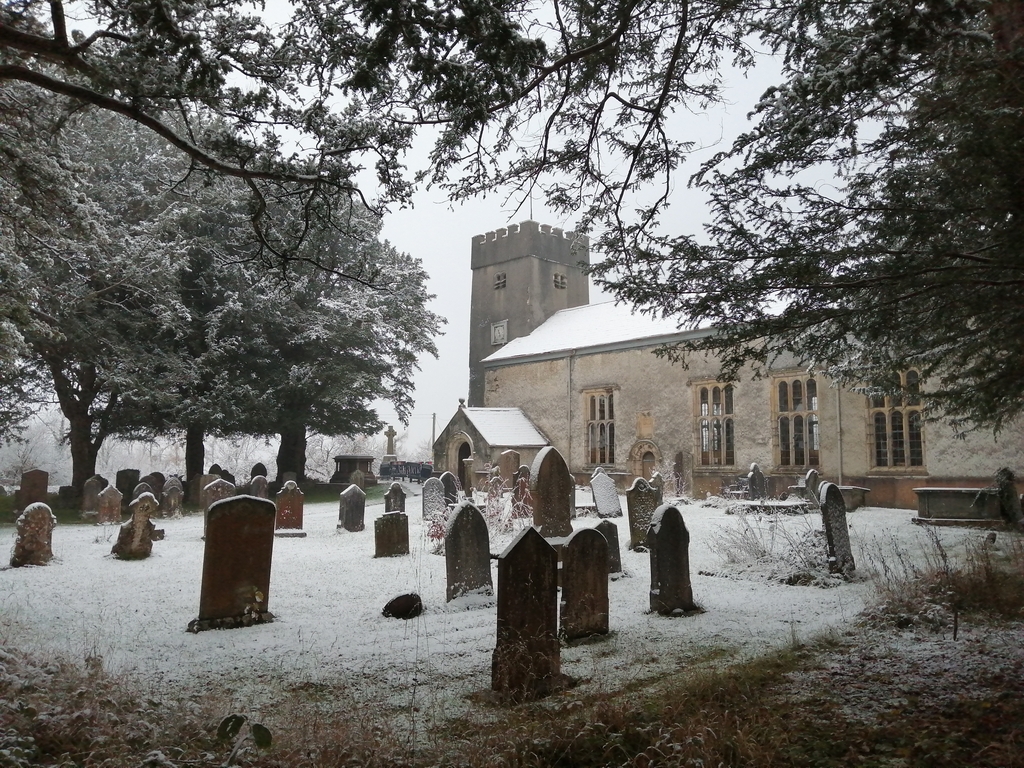
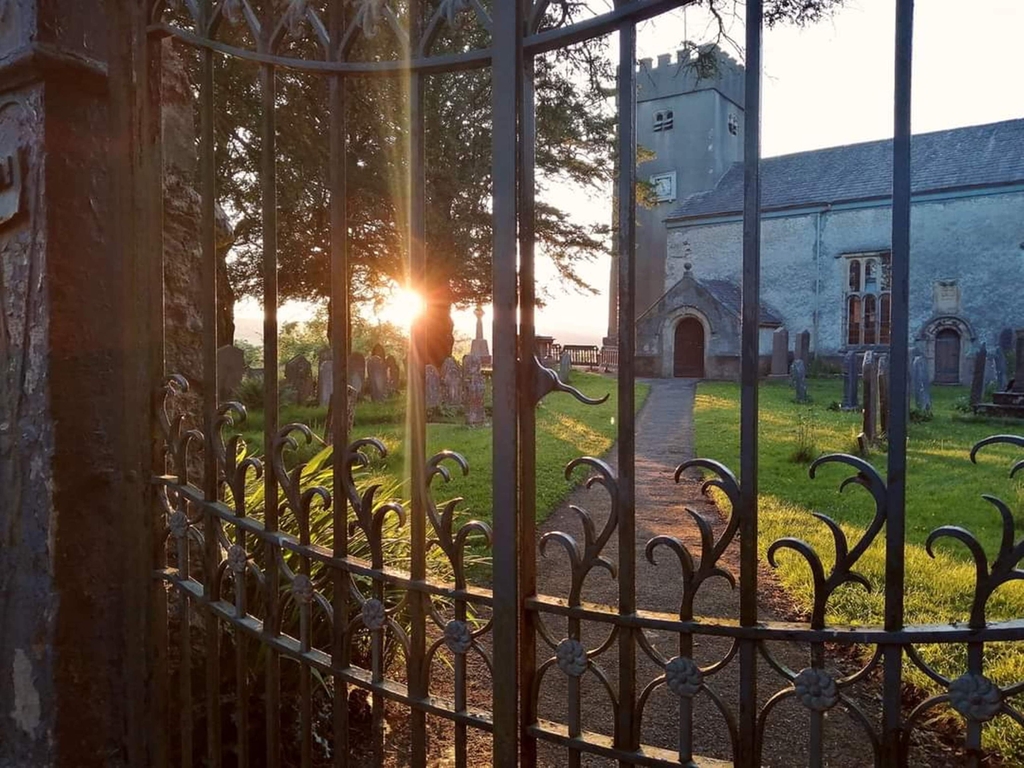
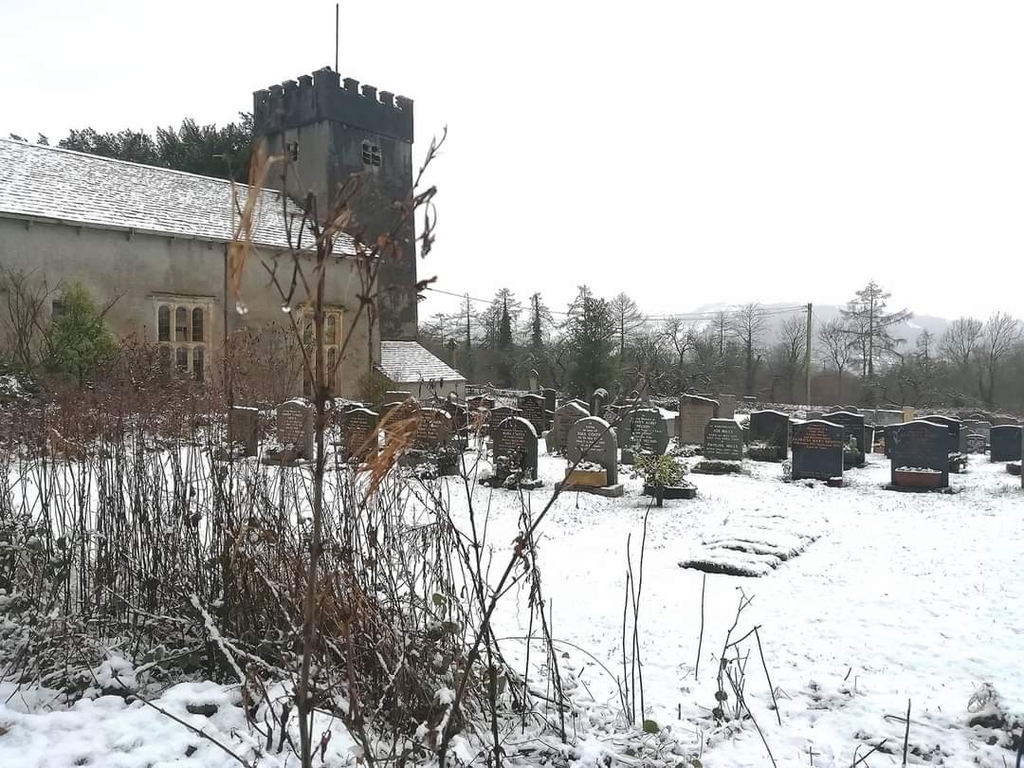
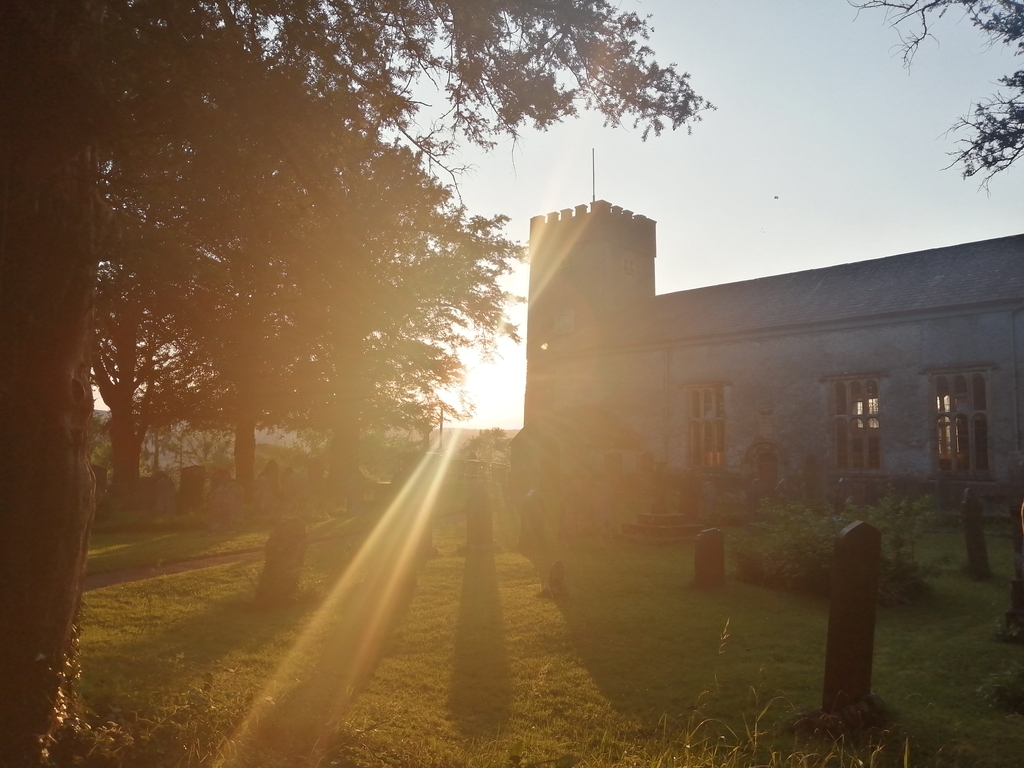
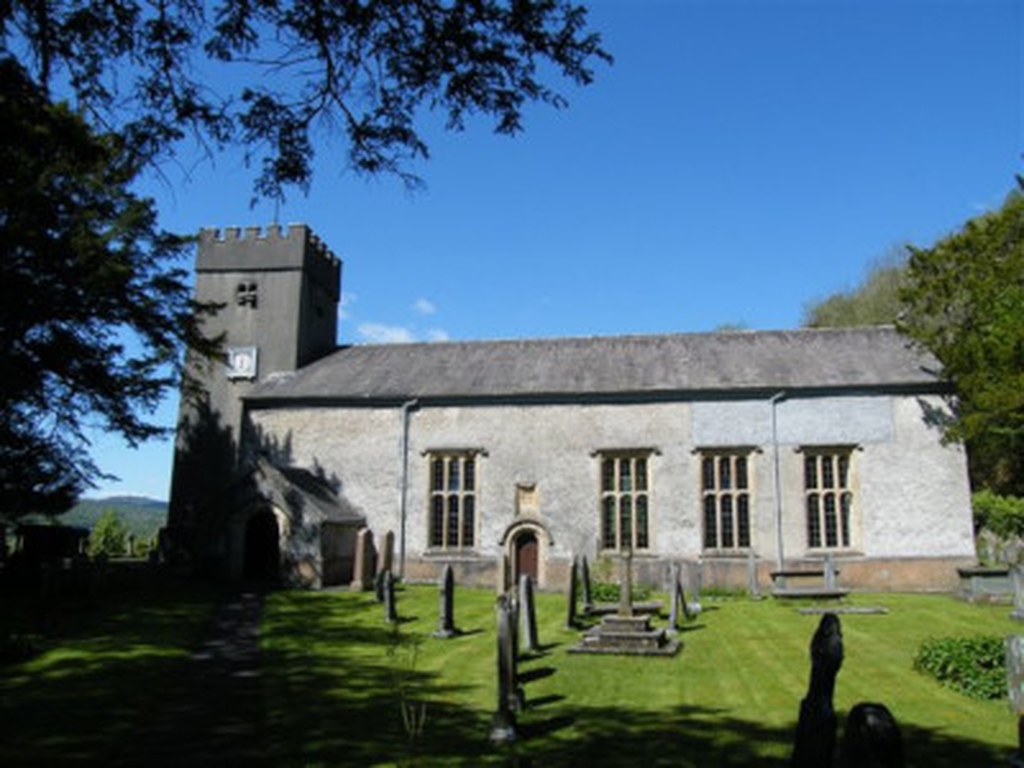
St Paul's Church is recorded in the National Heritage List for England as a designated Grade II* listed building. Often described as "an almost perfect example of a plain Gothic church of that date [1688], honest and unpretentious".
The stained glass in the east window includes the arms of Barwick. Its design has been attributed to Henry Gyles of York, and the window dates probably from 1671.
There is a small, unisex toilet is located between the church and the Dean Barwick hall. Turn right out of the church yard and follow the wall with the church hall on your left. There is a small wooden latched door with a lock on the inside.
The nearest place to eat is the Derby Arm pub located in the village, near the junction with the A590.
Phone: 015395 52207
https://derbyarms.co.uk/
The nearest shop is the Witherslack Community shop and can be found next door to the Derby Arms pub, just at the junction with the A590.
The Community Shop is run by a small committee, with one paid managers and a wonderful team of around volunteers. The shop sells a wide range of groceries, fresh and frozen local produce, local damson items, greeting cards, stationery, tobacco, kindling, walks and cycle leaflets and the Westmorland Gazette. Our homemade cakes are legendary and are provided by a team of local bakers!
Phone: 015395 52188
Music and Worship
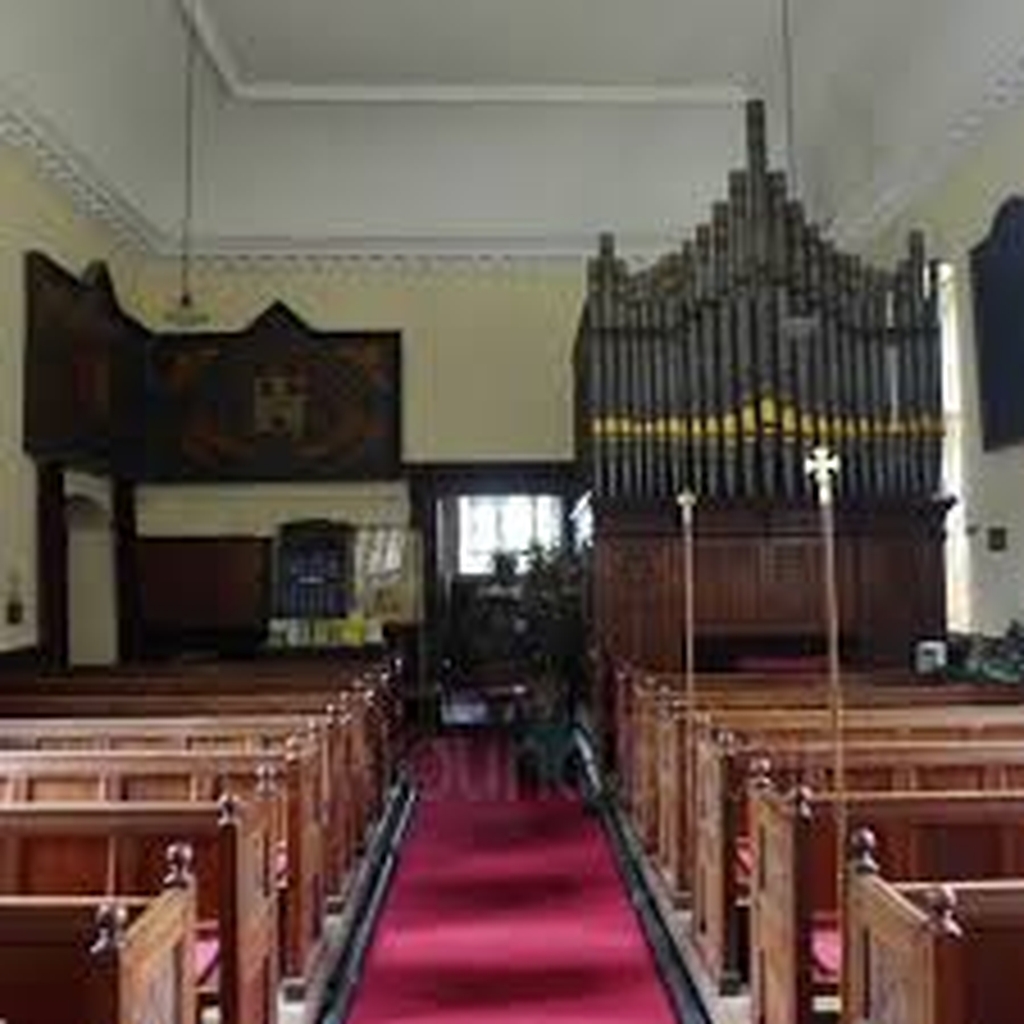
The single-manual organ was built in 1878 by Brindley & Foster.
Groups, Courses and Activities
The course is for people who wouldn’t call themselves Christians but who are interested to find our more; those who are just beginning the journey of discipleship; and folk who have been involved in church for a while and would like some sort of refresher course. It is not assumed that participants necessarily share the beliefs that are being explored, just that they want to find out more about them.
If you know someone who might be interested in attending, or if it is something you would like to do yourself, come along to the
Introductory Gathering on Sunday 25th January to find out more.
It is at 4pm in the Punch Bowl Inn.
https://www.achurchnearyou.com/church/12395/news/166035/the-pilgrim-course/
Help for Visitors
Free Wifi provided, log-in details are on the notice board next to the organ.
There are a few booklets with details of the many walks that can be accessed from the church and village. Taking in a variety of trails including many through the magnificent Witherslack woodlands.
Witherslack woods are part of the Witherslack Hall Estate and at 800 hectares are the largest area of semi-natural woodland in Cumbria. A large proportion of the woods are Sites of Special Scientific Interest (SSSI).
The church is generally open to visitors every day and all are welcome to explore the church and grounds outside of service times. The church is locked in the evenings.
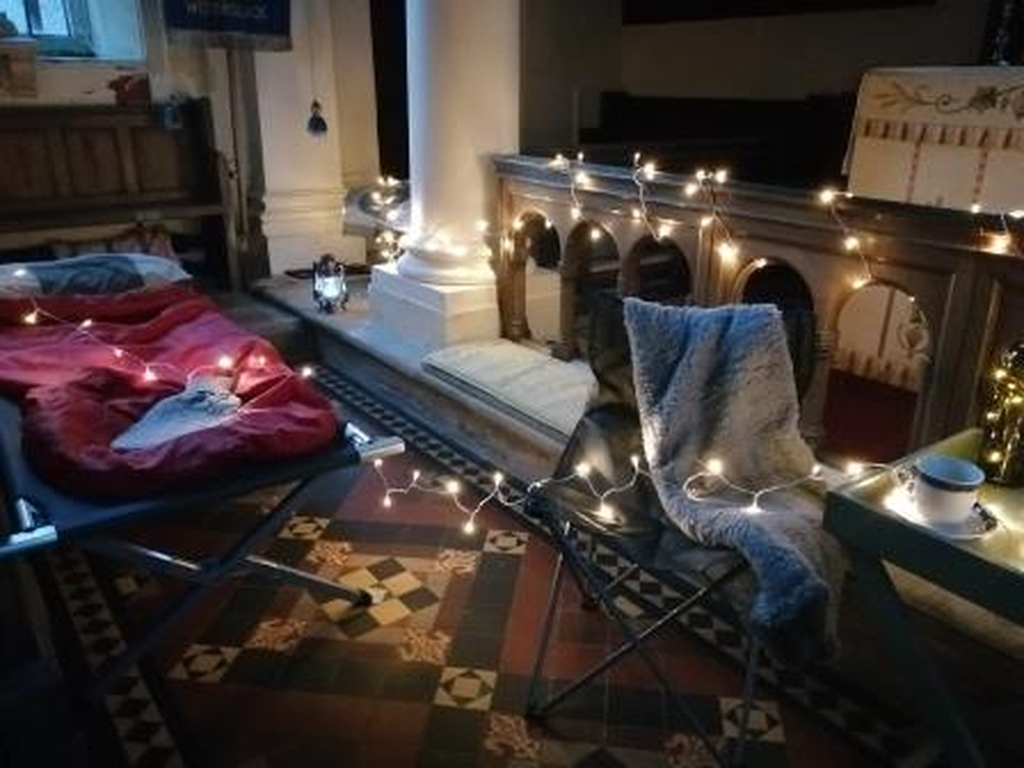
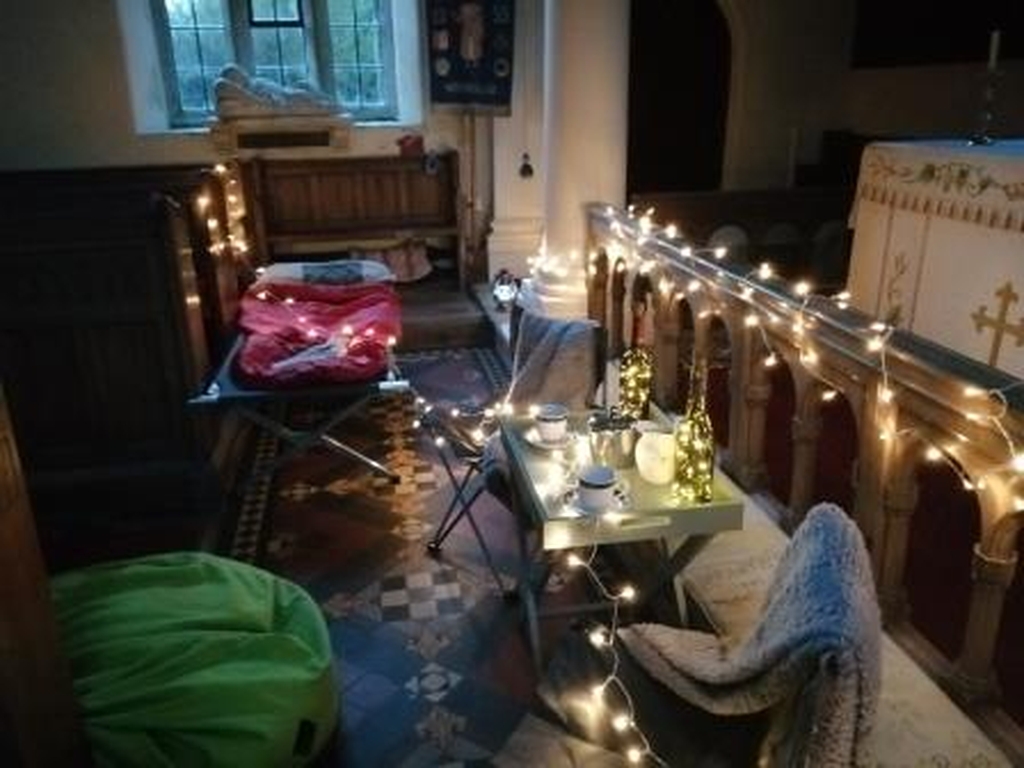
We also welcome champing in the church, if the door is locked during the day (on a weekend), then we most likely have guests staying. Please respect their privacy.
The church is dog friendly, but please make sure your dog is toileted before entering the church and keep them on a lead. Out of respect, please do not allow your dog to toilet in the graveyard.
Generally open in daylight hours throughout the year (probably until around 4.30pm in summer months).
Other Features
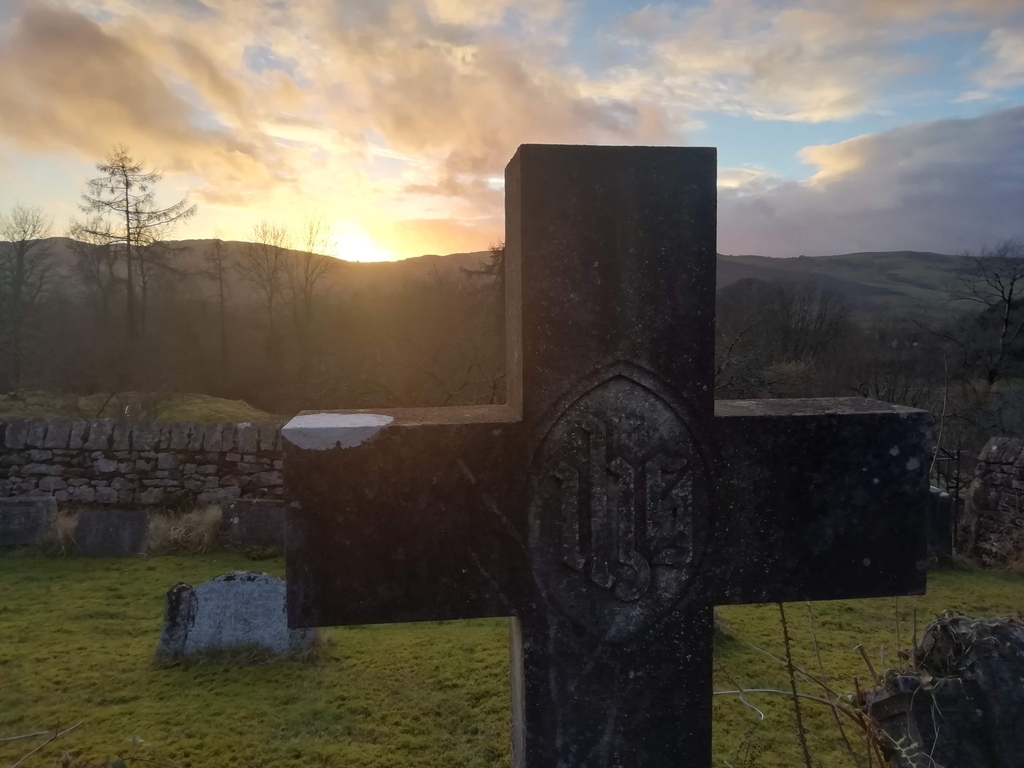
Churchyards can be surprisingly rich in nature, and many of the plants, fungi, and animals found within a churchyard predate the church buildings and help identify the timelessness of these places and the consistent management they have received year after year.
Take a look at the trees, particularly the ancients and veterans. Look out for stonework covered in lichens, which may have taken centuries to grow. Invertebrates, butterflies, moths, spiders, beetles, snails and bees can be found, as well as sometimes, larger animals such as slow worms, lizards, frogs, toads and newts, hedgehogs, mice and voles.
It is the combination of all the features that make churchyards so special. There are growing, feeding, nesting, roosting, and hibernating places for plants, animals, birds, fungi, and lichens.
https://www.churchofengland.org/resources/churchcare/advice-and-guidance-church-buildings/churchyard-wildlife