
About Us
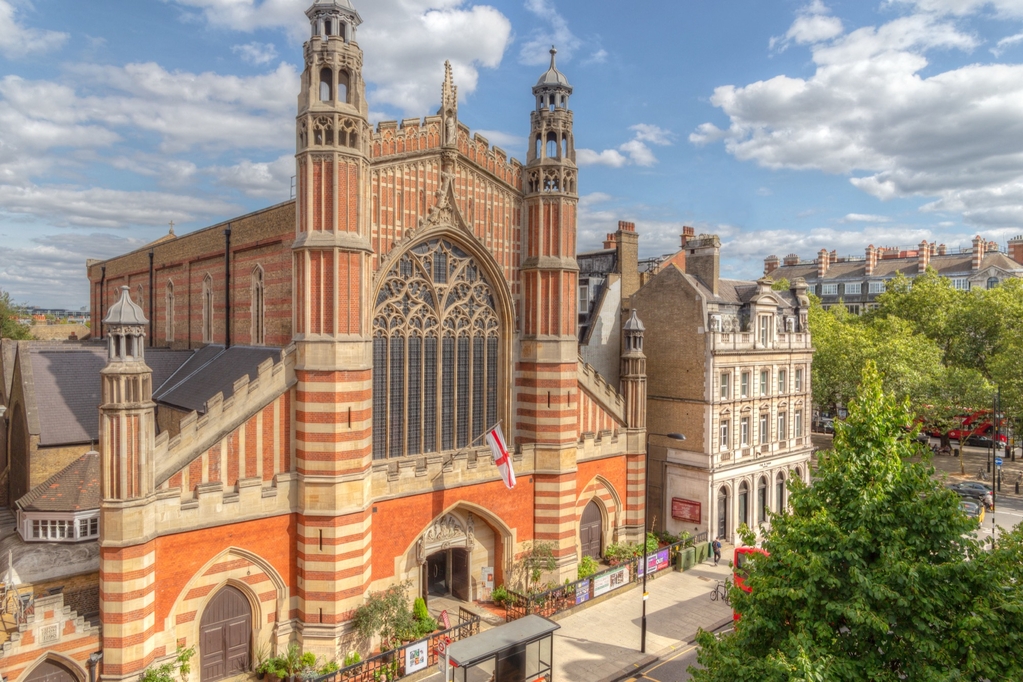
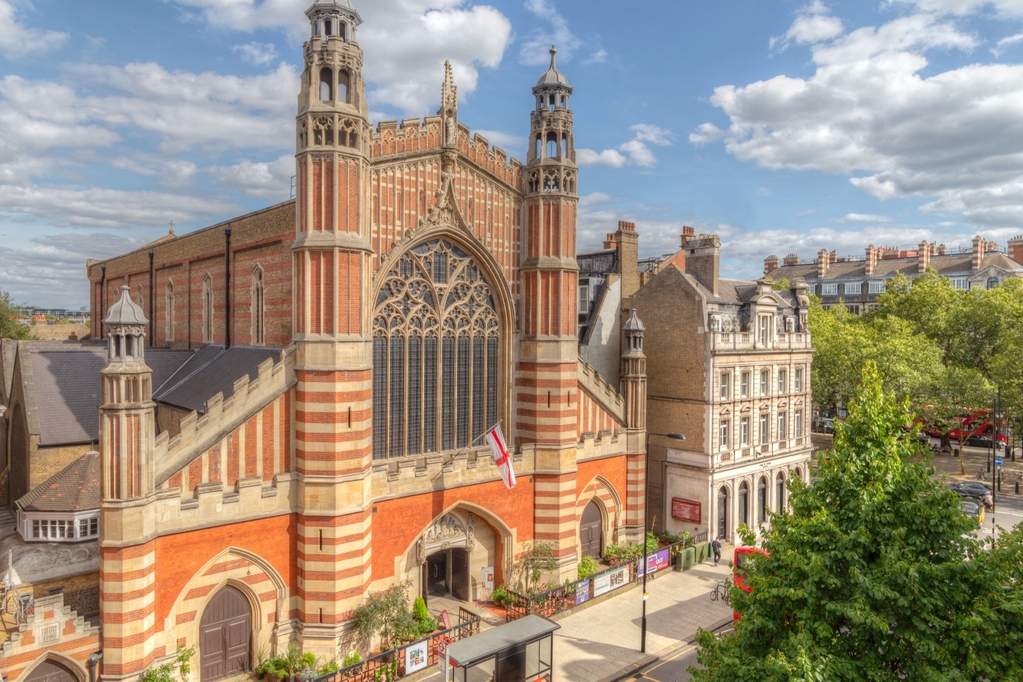
Holy Trinity Sloane Square is known as the Cathedral of the Arts and Crafts Movement. The name is John Betjeman's, and it has held because it is close to the truth.
In 1888 the old parish church, a plain Gothic building of 1828 by James Savage, was taken down. In its place the fifth Earl Cadogan commissioned John Dando Sedding, one of the most inventive architects of the Arts and Crafts movement, to build something extraordinary. Raised between 1888 and 1890, the church was conceived less as one man's design than as a gathering of the finest craftsmen of the age. Sedding died in 1891, and his chief assistant Henry Wilson carried the work on.
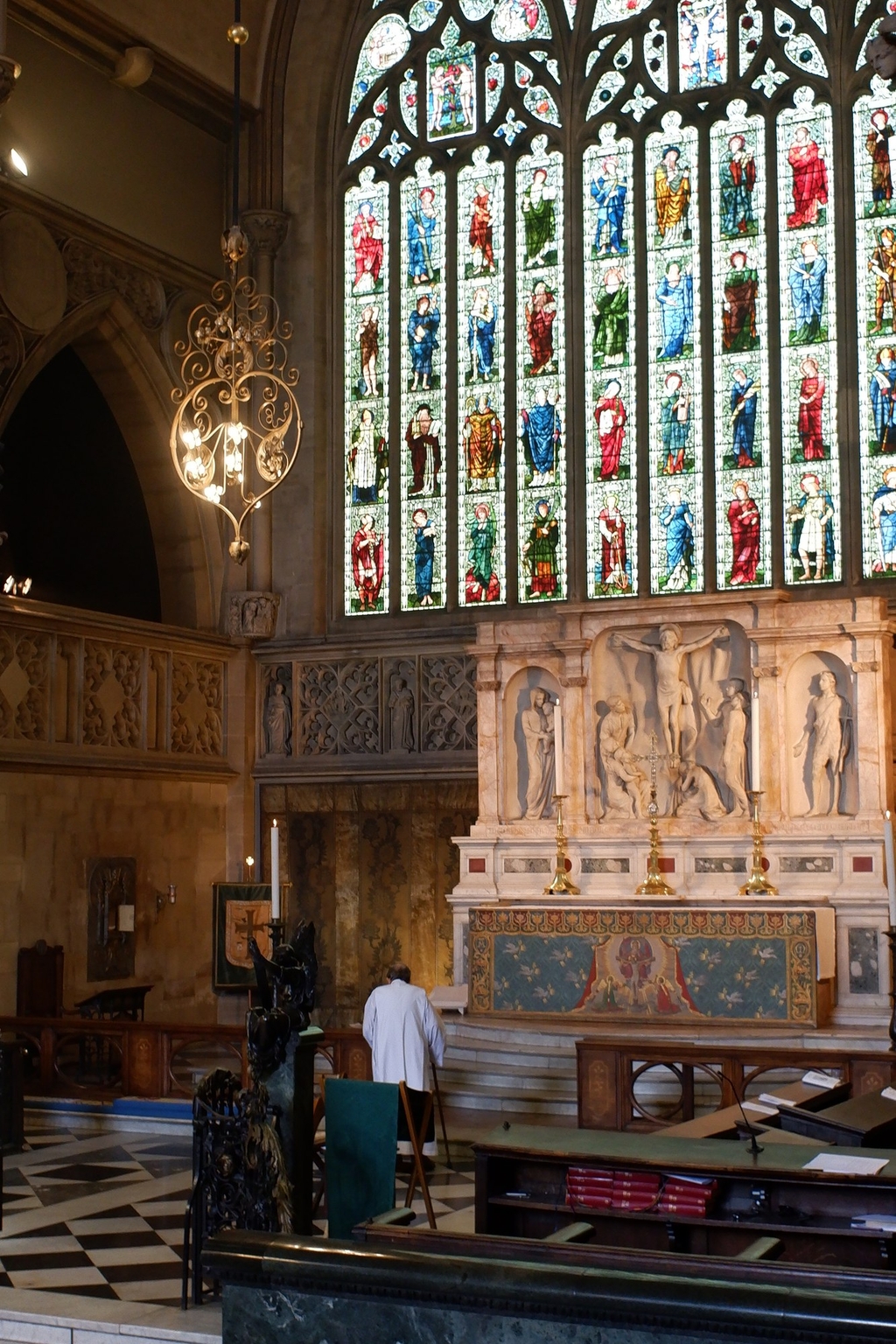
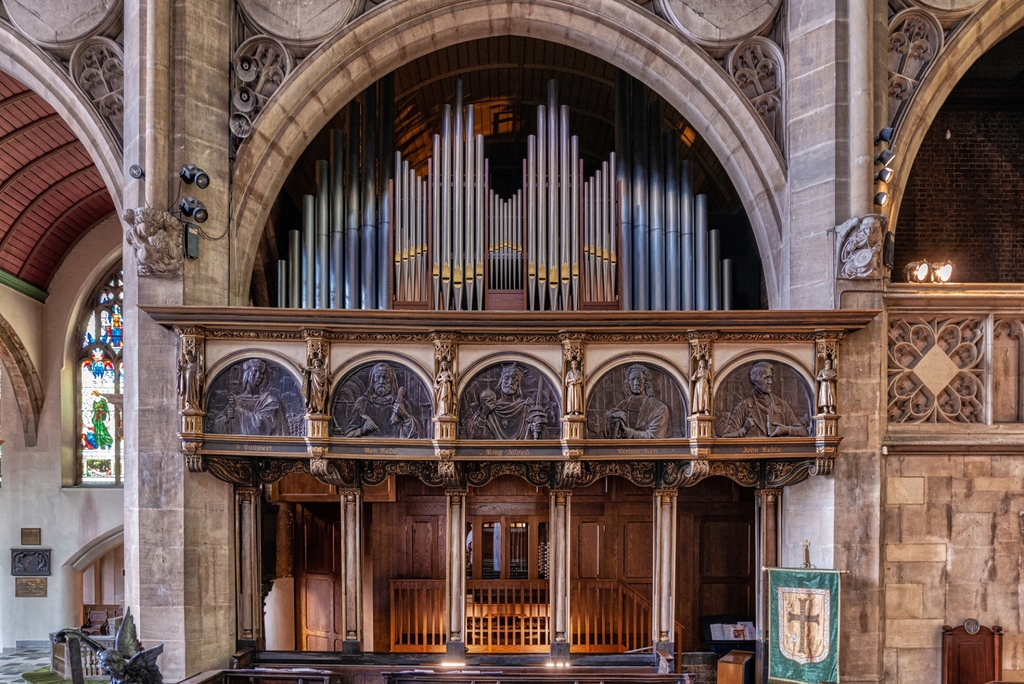
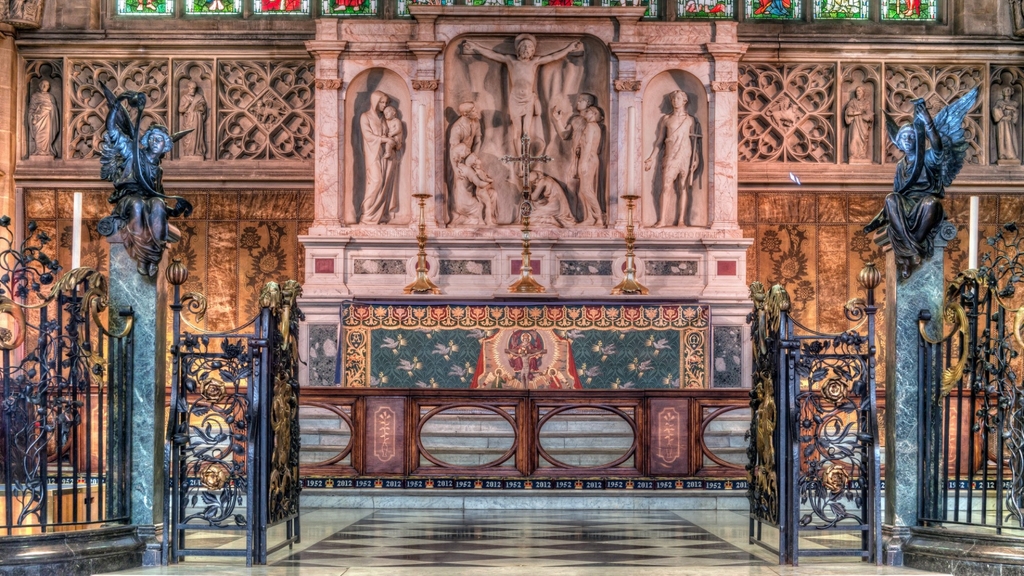
The makers who shaped the movement are nearly all gathered here: Burne-Jones and Morris in glass, Pomeroy, Armstead, Onslow Ford, Harry Bates and John Tweed in sculpture, Henry Wilson in metal. Almost nothing in it was bought ready-made. Each gate, figure and panel was made by hand, for this place.
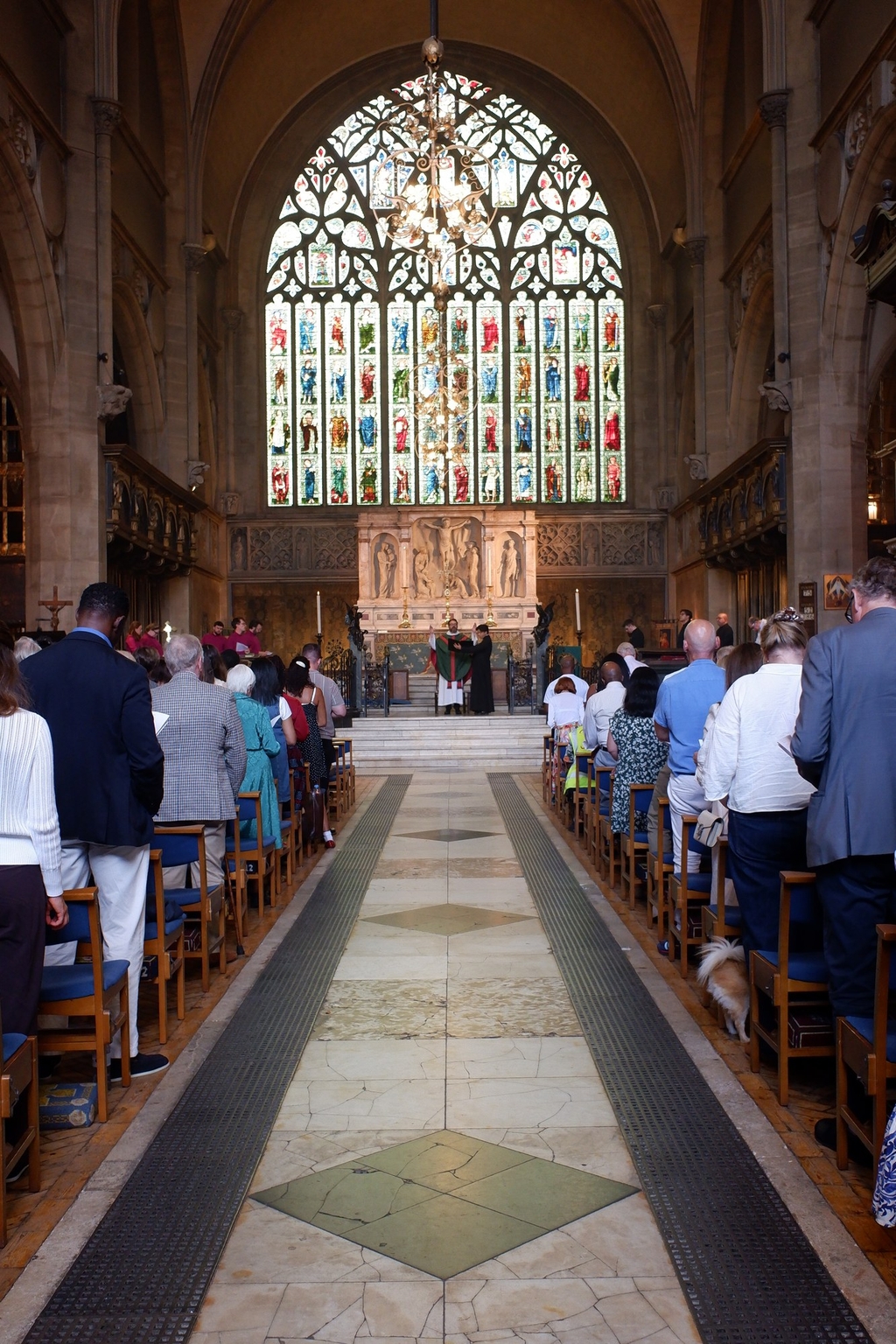
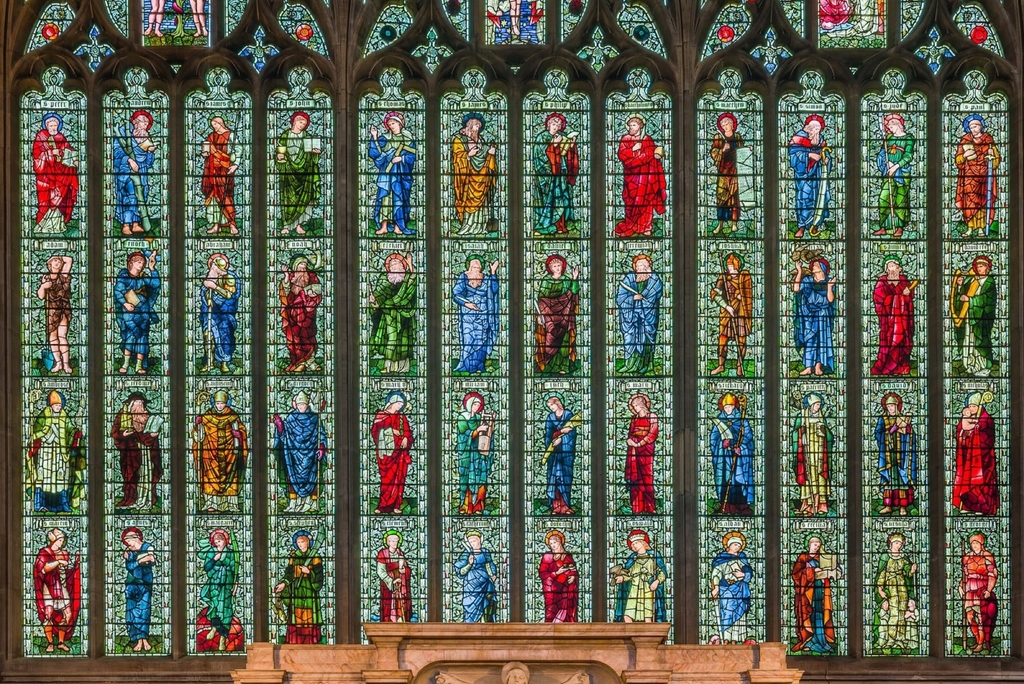
The great east window is the church's crowning glory. Its forty-eight figures of prophets, apostles and saints were designed by Edward Burne-Jones and made in the workshops of Morris and Company. The church describes it as the largest window the Morris firm ever made.
Holy Trinity took incendiary bomb damage in the Second World War. Then, in the late 1960s, the church authorities proposed pulling it down for something smaller. It was saved by a public campaign led by the Poet Laureate John Betjeman and the Victorian Society. Today it is listed Grade I.
We aim to be open Monday to Friday, 10am to 5pm, and all day on Sunday. We are a small team, so if you are making a special trip it is worth ringing the Parish Office first.