
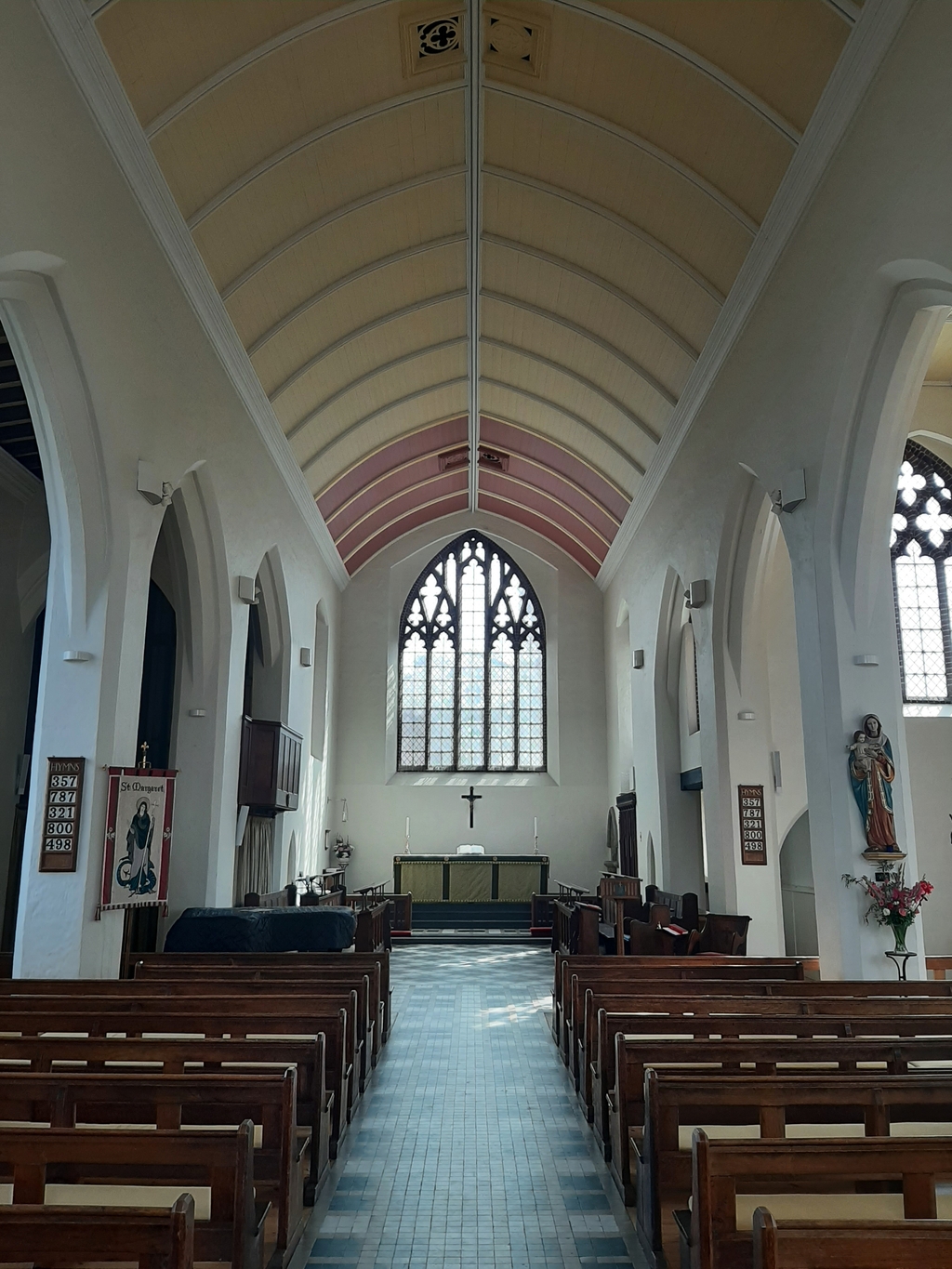
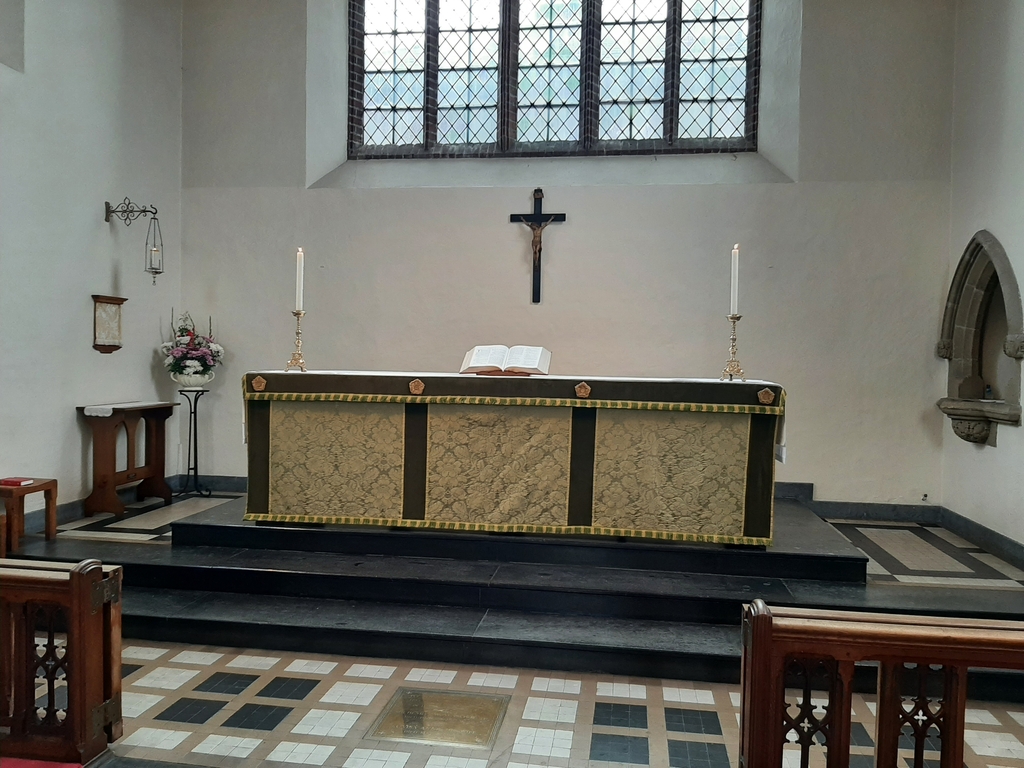


Anglicans are Christians belonging to a Western Christian tradition which has developed from the practices, liturgy, and identity of the Church of England following the Protestant Reformation. The word ‘Anglican’ comes from Ecclesia Anglicana, a mediaeval Latin phrase that means ‘the English Church’. Today, there are approximately 90 million Anglicans across more than 165 countries, part of national or regional churches that may refer to themselves as either Anglican or Episcopal. These churches form a worldwide fellowship called the Anglican Communion, of which the Church of England is the historic Mother Church.
The Church of England has its roots in the ancient missionary church of the British Isles that was first established in the Roman era. However, the invasions of the pagan Angles, Saxons and Jutes in the fifth century seem to have destroyed the organisation of the church in much of what is now England. In AD 597, a mission sent by Pope Gregory the Great, and led by St Augustine of Canterbury, landed in Kent to begin the work of converting these pagan peoples. What eventually became known as the English Church, or Church in England, was the result of a combination of three streams of Christianity: the Roman tradition of St Augustine and his successors, the remnants of the old Romano-British church, and the Celtic tradition coming from Ireland via Scotland and down into northern England. This English Church was influenced by the broader development of the Western Christian tradition in areas such as theology, liturgy, church architecture, and monasticism.
The English Reformation began in the 1530s and gathered pace under the governments of King Henry VIII , his son Edward VI and daughter Elizabeth I. The ties between the Church in England and the papacy in Rome were cut, establishing the monarch as the Supreme Governor of the Church of England. Over the course of a few generations, the population of England mostly moved toward Protestantism, with longstanding consequences for the religious, political and cultural character of the country. In the Church of England, important elements of traditional catholic faith and practice were retained, but now interpreted in the light of a reformed theology. It led to a church that was both catholic and reformed – one that retained the ancient ordering of bishops, priests, and deacons, and other venerable traditions of the Church, whilst also embracing many of the teachings of the Protestant Reformation.
Today, the Church of England is a national church ministering to the spiritual needs of millions of people in every community across the country. It believes in the Christian faith which is revealed in the Holy Scriptures, set forth in the catholic creeds, and to which its historic formularies (texts such as The Book of Common Prayer and the Thirty-Nine Articles of Religion) bear witness. In them, Anglicans can find the Church’s understanding of the doctrine, discipline, and worship of Christ.
Being an Anglican Christian will mean slightly different things to different individuals, but together ours is a living faith rooted in Holy Scripture and tradition, hopefully thoughtful, compassionate and ecumenically-minded; a distinctive approach to Christian faith, worship, and mission that seeks to be a faithful continuation of the One, Holy, Catholic and Apostolic Church of Jesus Christ.
If you would like to find out more about the Church of England and Anglicanism more generally, why not join us at our services or send us a message via the 'Get in touch' page.